

VITICULTURE / Original research article
Abstract
Vineyards in Marlborough, New Zealand, maintain dense canopies and rely heavily on drip irrigation to produce aromatic white wines in the rain-shadowed valleys. Although irrigation water is available from groundwater, its level is slowly but steadily decreasing, indicating the need to improve irrigation efficiency and soil water management to sustain viticulture. In this study, we measured grapevine water uptake depth across seven representative soil types in the region and related them to soil properties and soil management to inform more sustainable practices. Soil texture explained most of the observed variability among the seven study sites. Isotopic analysis of water (δ¹⁸O and δ²H) and Bayesian mixing models (MixSIAR) showed soil-dependent differences in water uptake depth. Analysis of berry carbon isotopes (δ¹³C) indicated that, despite site-specific differences in soil type and soil management, grapevines experienced low water stress across all sites. Together, these results demonstrate that grapevine water uptake depth reflects soil physical properties, with implications for soil type-specific water management and irrigation strategies.
Introduction
Marlborough is New Zealand’s largest wine-growing region. It accounts for ~70 % of the country’s vineyard area (~30.500 ha) and 75 % of national wine production (Marlborough Winegrowers Association, 2026). Vineyard plantings are dominated by Sauvignon blanc (77 %), followed by Pinot noir (11 %) and smaller areas of Chardonnay, Pinot gris, and Riesling (New Zealand Winegrowers, 2025). It is classified as a cool climate wine region. Cool climate wine regions are characterised by relatively low growing degree days (Amerine & Winkler, 1944; Winkler, 1965), mild summers, and year-round precipitation (Cfb, Köppen classification; Kottek et al., 2006).
Marlborough vineyards often maintain high canopy densities to produce aromatic whites. Dense canopies shade berries from sunburn, preserve herbaceous aromas, and maintain acidity in wines by moderating berry temperature and sugar accumulation (Smart & Robinson, 1991). This strategy is particularly important in the region because the vineyards sit in rain-shadowed valleys east of the Southern Alps, where evapotranspiration exceeds precipitation during the growing season (Chappell, 2016). Consequently, irrigation is necessary to sustain production in the region – over 80 % of the vineyards are drip-irrigated (Marlborough District Council, 2025).
Irrigation water is available, with most supply sourced from the region’s groundwater aquifers, particularly from the Wairau Aquifer (Marlborough District Council, 2025). Although the region’s aquifers are extensive, groundwater recharge does not occur quickly enough to keep pace with peak irrigation demand. This is due both to the large volumes of water extracted to sustain agriculture in Marlborough (Rutledge et al., 2010) and to altered hydrological connectivity and aquifer replenishment resulting from flood-protection measures implemented to safeguard the developed floodplains (Davidson, 2024). As a result, the region is experiencing a slow but steady long-term decline in aquifer levels.
Together, these pressures highlight the need to improve irrigation efficiency and soil water management to sustain viticulture in Marlborough. Similar challenges in vineyard management have been reported worldwide, where soil physical properties strongly influence water storage, root development, and grapevine water status, ultimately affecting irrigation requirements and vineyard performance (Brillante et al., 2016). Optimising vineyard water use requires understanding how soil properties and water availability affect grapevine water uptake. Extensive research has examined this relationship, investigating how soil characteristics affect the development and function of grapevine root systems (e.g., Morlat & Jacquet, 1993; Morlat & Jacquet, 2003; Seguin, 1986; Van Zyl & Hoffman, 2019). However, these studies infer active water uptake from root traits or soil characteristics rather than directly measuring the provenance of the water sources plants access. More recent studies have started addressing this limitation by directly measuring the stable isotopes of oxygen (δ18O) and hydrogen (δ2H) in plant and soil water to quantify grapevine water uptake depth (e.g., Benettin et al., 2024; Karakis et al., 2018; Penna et al., 2020; Scandellari et al., 2024). This approach estimates the relative contribution of different water sources, rather than relying on inferences from root distribution alone. Combining δ18O and δ2H provides complementary isotopic information for water source identification, while δ18O is the most widely used isotope tracer in ecohydrological studies (Barbeta et al., 2019); δ2H provides additional isotopic information that can improve source discrimination when potential sources have similar δ18O signatures.
The soil types investigated in this study are among many that sustain vineyards within Marlborough (Manaaki Whenua, 2026). As evidenced by the significant variability in vineyard water footprints across the region (Herath et al., 2013), each soil type requires site-specific soil characterisation paired with a measurement of grapevine water use. However, to our knowledge, no study has addressed how soil properties drive grapevine water uptake, either in Marlborough vineyards or elsewhere. This represents a critical knowledge gap for improved soil water management and irrigation efficiency in the region. Thus, this study aimed to identify the sources of water used by grapevines across seven representative vineyard soils in Marlborough, New Zealand. By linking soil properties to estimated grapevine water-uptake patterns, we identify soil-specific water-use strategies and propose management practices designed to improve irrigation efficiency and support sustainable vineyard management.
Materials and methods
1. Study area
Marlborough is a district of New Zealand covering 10,321 km2, located at the NE tip of the South Island (Figure 1a). The landscape is shaped by the Marlborough Fault System, part of the plate boundary between the Pacific and Indo-Australian plates. This system comprises four major NE–SW-oriented faults that set the courses of the Wairau and Awatere Rivers, resulting in a pronounced topographic contrast between the rapidly uplifting mountain ranges and the young alluvial river valleys (Brown, 1981).
Reflecting the diversity in parent material, Marlborough contains a broad range of soils (Figure 1b). In the foothills, mature soils with well-developed structures dominate, originating from either iron-rich rocks (Brown Soils) or silica-rich rocks (Podzols), according to the New Zealand Soil Classification (Hewitt, 2010). Stable older terraces on the windward sides of the valleys typically have well-developed soils (Pallic Soils) formed from loess deposits. On the alluvial plain, recent and weakly developed soils are more common (Recent Soils), along with coastal areas affected by waterlogging (Gley Soils).
a) Location of the Marlborough region within New Zealand. b) Soil map of the region showing the location and soil type of the seven study sites (black pins), modified from S-Maps (Manaaki Whenua, 2026). Each site was considered an experimental unit. c) Sampling design within each study site, showing the collection of grapevine shoots, leaves, and soil cores retrieved beneath three grapevines per site, which served as biological replicates, together with an inter-row soil core and vegetation sample collected at each site.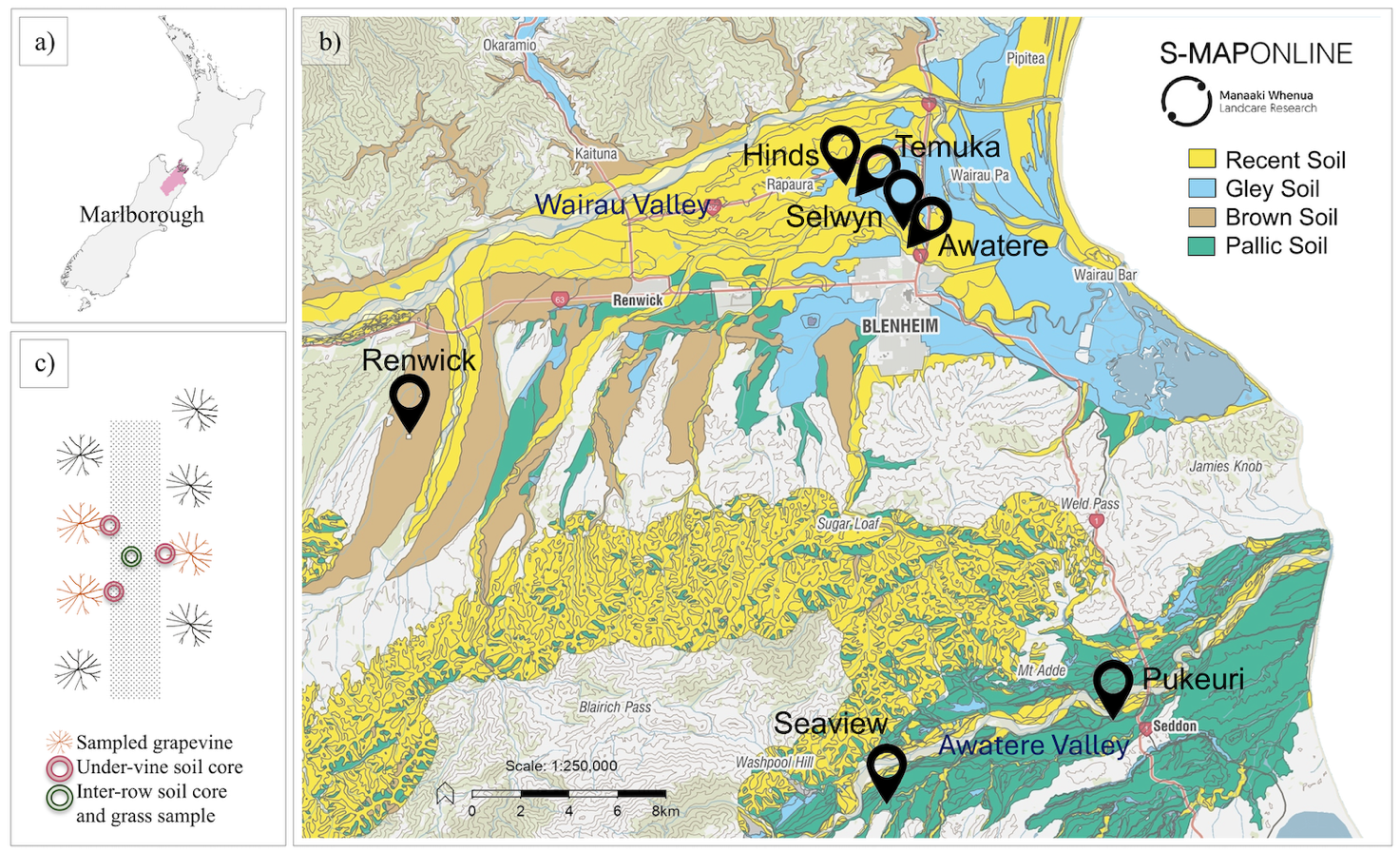
Figure 1. Study area and sampling design.
Marlborough’s valleys are characterised by warm, dry summers, with afternoon temperatures often exceeding 22 °C, and cool winters, with night temperatures of 1–4 °C. Annual rainfall is around 750 mm yr–1 because the surrounding mountain ranges create a rain-shadow effect and shield the valleys from cold SW winds from the Southern Ocean (Chappell, 2016). Although Marlborough experienced average rainfall during the 2024–2025 growing season, temperatures were 0.51–1.20 °C above the long-term mean (NIWA, 2025), indicating that this study captured a relatively warm growing season. The region receives nearly 2,500 hours of sunshine per year and experiences high evaporative demand, together producing an overall dry climate favourable for viticulture, with modelled irrigation requirements of ~112.5 mm y–1 (Green et al., 2015). Vineyards share the landscape with pasture, mānuka shrubland, and an expanding area of horticulture (Rutledge et al., 2010).
2. Study design and sampling strategy
To measure soil influence on grapevine water uptake depth in Marlborough, we selected seven study sites, each containing a vineyard growing on a different soil type (Table 1). We treated each site as an experimental unit. All seven sites were located within the Wairau and Awatere Valleys (Figure 1b). At each site, we sampled three grapevines (Figure 1c), which were of Cabernet-Sauvignon or Pinot gris grafted onto Schwarzmann, 101-14, 3309C, or SO4 rootstocks (see Supplementary Information, SI–1). We treated the three grapevines as biological replicates to capture within-site variability. The vineyard growing on Pukeuri soil was organic, rain-fed, and managed with natural vegetation under the vines and between the rows, including clover, ryegrass, sunflowers, and alfalfa. The other six vineyards were drip-irrigated, with 100 to 180 mm applied from flowering to harvest and managed with a mowed spontaneous mix of clover and ryegrass in the inter-row, with herbicide applied under the vine. This soil management practice is the most widely adopted across Marlborough. Planting density and trunk height were typical of commercial vineyards (~2.5 × 1.8 m spacing, ~0.9 m trunks), except on Renwick soil, where grapevines were more densely planted and trained to shorter trunks (1.6 × 1.5 m spacing, ~0.7 m trunks).
Soil type | Selwyn | Awatere | Hinds | Temuka | Renwick | Seaview | Pukeuri |
Soil group | Fluvial Recent | Fluvial Recent | Fluvial Recent | Orthic Gley | Orthic Brown | Fragic Pallic | Laminar Pallic |
Soil order | Recent Soils | Recent Soils | Recent Soils | Gley Soils | Brown Soils | Pallic Soils | Pallic Soils |
USDA | Ustifluvent | Ustifluvent | Ustifluvent | Aquent | Udept | Ustalf | Haplustalf |
We carried out fieldwork from 10–14 February 2025 during grape ripening and followed the sampling approach of Ceperley et al. (2024). We prepared precipitation collectors (Von Freyberg et al., 2020) and installed them one month before the sampling campaign at the Selwyn and Awatere study sites (n = 2, Figure 2). In irrigated vineyards (n = 6), we also collected one water sample from the drip lines. We sampled sections of lignified grapevine shoots at mid-morning (n = 1 per grapevine, n = 21 total) and placed them into 12 mL Exetainer® vials sealed with Parafilm®, after removing the phloem and the bark (Dawson & Ehleringer, 1993). Under each grapevine, we collected one soil core (n = 21), and for each study site, we retrieved an additional soil core from the inter-row (n = 7; Figure 1c), using either a manual auger or an auger coupled with an automatic jackhammer. We described soil profiles to confirm that the sampled profiles matched the reported soil types and noted when manual sampling was difficult, indicating compacted layers. We sampled at multiple depths: 0–10, 10–20, 20–30, 30–50, 50–70, 70–90, 90–110, and 110–130 cm (n = 185 soil samples in total). After retrieval, we placed the soil samples in plastic bags and stored them, together with the shoot samples, in a portable cooler. Whenever we found large grapevine roots within the soil samples, we separated them for analysis (n = 5). We also collected ryegrass and clover from the inter-rows (n = 1 per vineyard, n = 7 in total) and stored their root crowns (Barnard et al., 2006) in vials in the portable cooler. We also obtained healthy, sun-exposed leaves at midmorning (n = 21 total), including one young and one mature (width > 10 cm) for each grapevine. Finally, we sampled berries from different clusters and stored them in Falcon vials in a portable cooler (n = 6 berries per grapevine, n = 21 samples total).
From left to right: precipitation collector; irrigation dripline system; section of a lignified grapevine shoot; ryegrass root crown; top 30 cm of a soil core.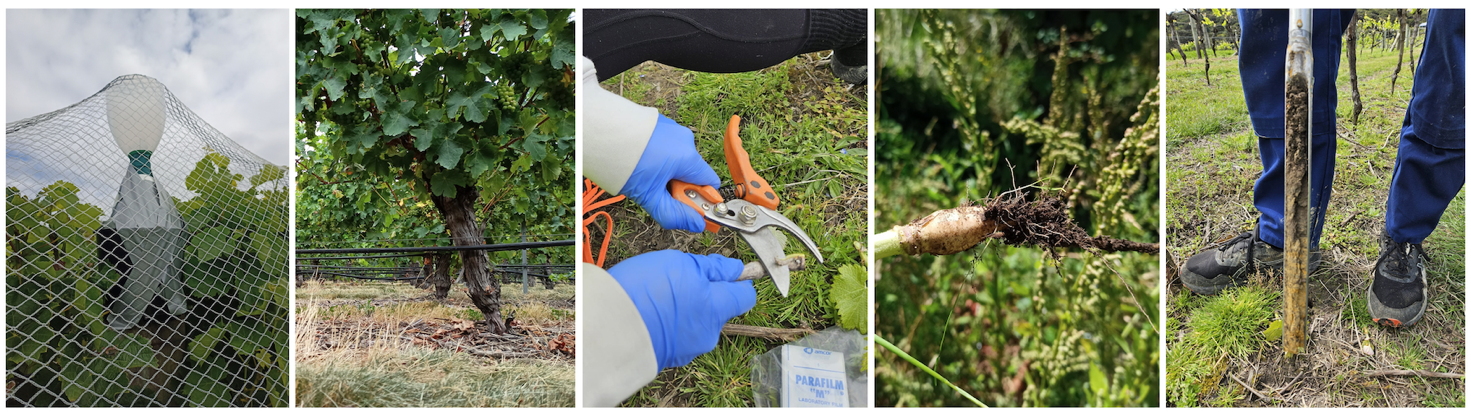
Figure 2. Water, plant material, and soil samples.
3. Laboratory analysis
3.1 Water isotope analysis (δ18O and δ2H)
From the collected soil samples, we transferred 10 g into 12 mL Exetainer® vials for water extraction and isotope analysis (δ18O and δ2H). To extract water from the soil and plant samples, we used the cryogenic vacuum distillation method from Koeniger et al. (2011) at the School of Environment, University of Auckland. This method involves freezing the samples with liquid nitrogen, followed by vacuum extraction and heating to ensure efficient water extraction (Ruiz, 2025). We added glass fibre filters to soil samples to prevent particles from being drawn into the vacuum line. We recorded sample weights before and after extraction, and after oven drying at 105 ºC for 72 h. We calculated soil gravimetric water content (GWC), and sample extraction efficiency, which averaged 99 %. Although 17 samples fell slightly below the desired extraction range (Ceperly et al., 2024), we used all data as the results were within the expected ranges and did not introduce apparent outliers or affect interpretation of water source contributions. All samples provided at least 0.6 mL of water (Diao et al., 2022). We analysed tap water (n = 3) at the beginning, middle, and end of the extraction sequence. To assess potential contamination and/or extraction drift, we compared the isotopic signatures with these values every 10 samples (n = 18).
Water isotopic compositions were determined using a thermal combustion/elemental analyser coupled to an isotope ratio mass spectrometer (TC/EA–IRMS) at the Centre for Stable Isotope Research and Analysis, Georg-August-Universität Göttingen. The analytical precision was ±0.2 ‰ for δ¹18O and ±2.0 ‰ for δ2H. The δ18O and δ2H results are reported relative to the VSMOW scale. We observed negligible contamination and drift, with mean differences of 0.12 ‰ for δ18O and 1.27 ‰ for δ2H and comparable variability between sample sets.
3.2 Carbon isotope analysis (δ13C)
For carbon isotope (δ13C) analysis of leaves and berries, we removed the petiole and oven-dried the leaves at 70 ºC for 3 days to constant weight (Pérez-Harguindeguy et al., 2013). We oven-dried berries at 85 ºC for 10 days (Bchir et al., 2016). Once dried, we ground the material into powder, homogenised it, and weighed 0.2 mg into tin capsules for δ13C analysis.
Carbon isotopic compositions were determined using an elemental analyser coupled to an isotope ratio mass spectrometer (EA–IRMS) at the Centre for Stable Isotope Research and Analysis, Georg-August-Universität Göttingen. The analytical precision was ±0.2 ‰. The δ13C values are reported relative to the VPDB scale.
3.3 Soil physical and chemical characterisation
We selected one undervine soil core per study site (n = 7) to characterise soil physical and chemical properties, including texture, pH, total carbon (C %), total nitrogen (N %), and carbon-to-nitrogen ratio (C:N). We oven-dried the samples at 40 ºC for 7 days and sieved them through a 2 mm mesh. We measured texture with a Malvern Mastersizer 3000+ laser diffraction instrument (Malvern Panalytical). For each sample, we dispersed 5 g of soil in 20 mL of 5.5 g/L sodium hexametaphosphate (Calgon) solution and mixed it using a vortex at 30 rpm. Each sample was measured in triplicate. For pH analysis, we added 10 g of soil to 25 mL of deionised water and mixed the solution using a vortex. After leaving the samples overnight, we measured pH using a sensIONTM PH3 (Hach Company). To measure C %, N %, and C:N, we weighed 0.2 g of finely ground soil (< 250 μm) into tin capsules and analysed the samples using an elemental analyser (Elementar GmbH). We reported C % and N % as percentages of dry soil mass, and calculated C:N ratios from these measurements. For quality control, we randomly selected 10 % of samples and repeated all the tests.
4. Statistical analysis and Bayesian mixing models
We performed all data analyses in R version 4.3.1 (R Core Team, 2023). For all statistical analyses and modelling based on isotopic measurements (i.e., δ18O, δ2H, and δ13C), the three grapevine samples collected within each site were combined into a single representative grapevine sample. Each site was considered an experimental unit (n = 7).
To estimate the proportional contributions of water from different soil depths, we used the MixSIAR modelling framework (Parnell et al., 2013; Stock & Semmens, 2018). MixSIAR is a Bayesian mixing model that describes the isotopic composition of grapevine xylem water (the consumer) as a mixture of multiple potential soil water sources while accounting for uncertainty in source isotopic compositions and residual variation. The model estimates the posterior probability distribution of the proportional contribution of each source (), where the expected isotopic composition of xylem water is given by:
(Equation 1)
where is the number of soil water sources, is the proportional contribution of source to xylem water, is the isotopic composition of source , and represents residual error.
We used normal Markov Chain Monte Carlo chains to estimate the posterior contributions, uninformative priors, and residual errors. We ran seven models, one model per study site, including four sources of soil water: shallow, upper-intermediate, lower-intermediate, and deep soil water. For each study site, we grouped depth intervals into these four sources (three when soil cores were shorter) based on the statistical distribution of their isotopic composition (SI–2). All models were run using both δ2H and δ18O values, as the combined use of both isotopes increases the capacity of Bayesian mixing models to resolve the relative contributions of different soil water sources (Stock & Semmens, 2018). Because δ18O and δ2H showed comparable patterns in estimated water-source contributions, we presented only δ18O in the main text; δ2H isotopic values are available in SI–3.
From the δ13C results for leaves, we calculated the intrinsic Water Use Efficiency (iWUE) according to Farquhar et al. (1982). Leaf δ13C values were used to estimate carbon isotope discrimination (Δ13C) and the ratio of intercellular to ambient CO2 concentration (), from which iWUE was calculated as:
(Equation 2)
where is the ambient CO2 concentration and 1.6 is the ratio of diffusivities of water vapour and CO2 in air. We used an atmospheric δ13C value of –8.59 ‰ and an ambient CO2 concentration of 419.1 µmol/mol (Baring Head, New Zealand, 2024).
We paired soil properties measured from one under-vine soil core per site (n = 7) with the corresponding isotopic results. We used principal component analysis (PCA) to evaluate which physical and chemical soil properties drove the main variation among the seven soil types. Variables included clay, silt, sand, GWC, N %, C %, C:N ratio, and pH. We standardised all variables before analysis to account for differences in units. We calculated correlation coefficients using pairwise complete observations and assessed statistical significance using Pearson’s correlation tests.
Results and discussion
1. Physical and chemical characterisation of soil types
During fieldwork, we observed compaction at 50 cm depth in the Renwick soil and around 70 cm depth in both the Seaview and Pukeuri soils (Figure 3a). We detected no relevant compaction at the other study sites in the Wairau Valley. In the laboratory, we measured soil texture, GWC, C %, N %, C:N, and pH. These measurements were complemented by information from the soil reports provided by Manaaki Whenua (2026) including structure, colour, water-holding capacity, and permeability.
Texture analysis showed that all soil types were dominated by silt (38–66 %), often exceeding 50 % (Figure 3a). Overall, clay content was low (< 15 %), except in the Temuka and Hinds soils. At our sampling sites, Hinds was higher in clay content than Temuka (34.6 % and 21.4 %, respectively), which differs from the information reported in the Manaaki Whenua (2026) soil reports. Aside from this difference, texture results across study sites and depths were consistent with the soil reports. Sand content increased progressively with depth, particularly in the Awatere, Renwick, and Pukeuri soils, reaching up to 70 % at 90 cm in Awatere.
The GWC ranged from 8–30 % across all profiles (Figure 3a). Mature soils (i.e., Renwick, Seaview, Pukeuri) were at the lower end of this range, with a mean of 11.2 %, indicating relatively dry conditions. In comparison, gley (i.e., Temuka) and recent fluvial soils (i.e., Selwyn, Awatere, Hinds) had a mean of 20.4 %. The GWC remained relatively uniform with depth in all soil profiles and did not follow the distribution of finer particles. Correlation analysis confirmed that GWC was not significantly associated with texture (|r| ≤ 0.16, p ≥ 0.27) but was strongly correlated with the C:N ratio (r = 0.62, p < 0.01), reflecting the role of soil organic matter in promoting soil structure, porosity, and moisture-holding capacity (Bronick & Lal, 2005). This may also be explained by the generally low clay content across the study sites, which could limit the influence of fine particles on water retention (Rawls et al., 2003).
Total C % and N % were highest in the shallow soil at all study sites, ranging from 1.1–3.9 % for C % and 0.2–0.5 % for N % (Figure 3b). Among all sites, the Pukeuri site, which is managed with unmowed natural vegetation, had the highest C % and N %. This aligns with reports stating that prolonged cover crop presence increases both soil C and N, regardless of cover crop species (French et al., 2025). At the remaining sites, and following the pattern for GWC, mature soils had lower C % and N % than the recent fluvial soils. Both C % and N % declined with depth, reaching values below 0.3 %. The C:N ratio varied from 4.4 in Renwick to 10.3 in Temuka soils, with most soils below 10. C:N decreased with depth, reflecting progressive decomposition and stabilisation of organic matter in deeper horizons (Kirkby et al., 2011).
a) Physical properties: subsoil compaction in yellow, gravimetric water content (GWC) in blue, and texture by patterned areas. b) Chemical properties: total carbon (C %) and total nitrogen (N %) are expressed as percentages, while carbon-nitrogen ratio (C:N) and pH are unitless. 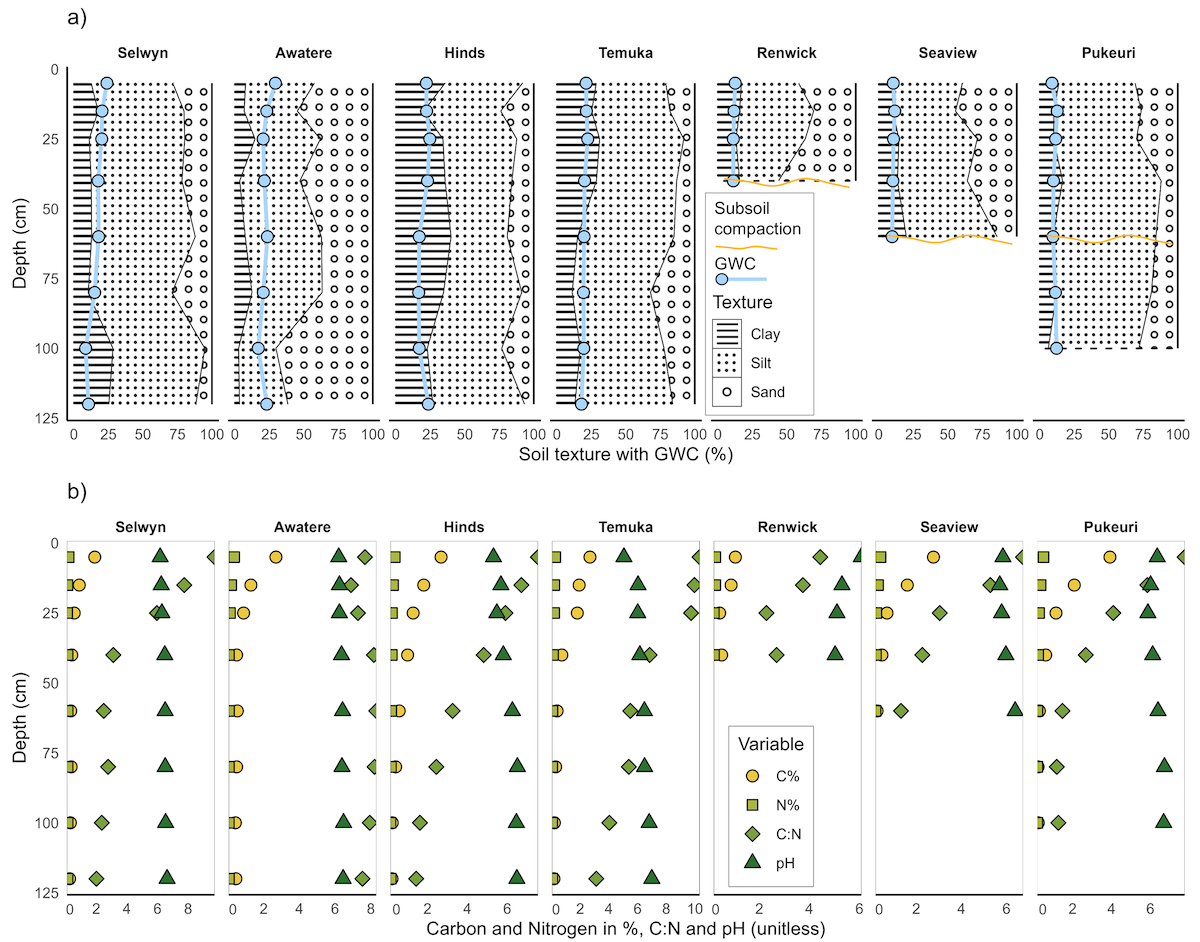
Figure 3. Soil properties by depth.
Soil pH ranged from moderately acidic (5.03) in Renwick soil to slightly alkaline (6.99) in Temuka soil. In gley and recent fluvial soils (i.e., Temuka, Selwyn, Awatere, Hinds), pH generally increased with depth, although values remained relatively uniform and moderately acidic. In contrast, Renwick soil showed a slight increase in pH with depth, while Pukeuri and Seaview soils exhibited fluctuations in pH throughout the profile (Figure 3b).
Among all physical and chemical soil properties, the PCA showed that the first three components explained 80.6 % of the total variance (SI–4). Soil texture variables (clay, silt, and sand) contributed strongly to the separation of soil types, particularly along PC2. Total C % and C:N ratio were important drivers of PC1, indicating that organic matter represented an additional major source of variation.
2. Isotopic characterisation of water sources and grapevine xylem
To characterise the sources of water taken up by grapevines, we examined the distribution of δ18O (Figure 4) and δ2H (see SI–3) isotopic values across all water pools using interference plots, which allowed the direct comparison of grapevine water with the potential sources. A dual isotope (δ18O–δ2H) plot can be found in SI–5.
Rainfall displayed relatively enriched δ18O values (mean –3.9 ‰), consistent with summer precipitation in Marlborough (Dudley et al., 2024). In contrast, irrigation water showed isotopically lighter δ18O values. At the Wairau Valley study sites, these values (mean –7.73 ‰) aligned well with reported δ18O values for the Wairau Aquifer, which range from –6.8 ‰ to –9.2 ‰ (Davidson & Wilson, 2011). Across all study sites, the overlap between irrigation and soil water isotopic signals suggests that irrigation water mixes rapidly with the existing soil water, making it difficult to distinguish irrigation water as a separate source. This indicates that irrigation primarily replenishes the soil water reservoir rather than being directly traceable as a distinct source of plant uptake (Penna et al., 2021).
Differences in δ18O values along the soil profile between the inter-row grass and the bare soil under the vine are clearly visible in the recent fluvial soils (Figure 4, top row). This pattern suggests rainfall-dominated inputs and enhanced evapotranspiration in the vegetated inter-rows, driven by the lack of direct irrigation and the combined water uptake of grapevines and grass (Darouich et al., 2022). Instead, in gley and mature soils (Figure 4, bottom row), higher water saturation and smaller pore size, associated with more weathered subsoils, likely reduce air-filled porosity and limit evaporative enrichment, thereby buffering isotopic signals (Bronick & Lal, 2005).
Water isotopic signals from the grapevines and inter-row grass fell within the range of soil water, consistent with uptake of predominantly soil-derived water (Figure 4, shaded bands). Inter-row grass water largely overlapped with shallow soil water (0–30 cm), indicating a predominant reliance on near-surface water pools, except at the Selwyn site, where grass likely accessed water from intermediate soil layers. In contrast, grapevine water plotted within the lower-intermediate to deep soil layers (30–130 cm), indicating deeper water uptake. These results support previous studies reporting that grapevines extend their roots into deeper horizons to reduce their reliance on shallow soil water and potential competition with inter-row vegetation (Celette et al., 2008; Morlat & Jacquet, 2003; Ruiz et al., 2026; Smart et al., 2006).
Lastly, grapevine roots exhibited δ18O isotopic values that were, on average, 0.57 ‰ more depleted than the corresponding soil water at the same depth (Figure 4). These results are consistent with the framework proposed by Barbeta et al. (2019), which suggests that plants may preferentially access a dynamic soil water pool that can differ isotopically from bulk soil water.
Boxplots represent the distribution of δ18O values, with boxes indicating the interquartile range (Q1–Q3), the central line representing the median, and whiskers extending to 1.5 times the interquartile range. Shaded bands indicate the interquartile range (Q1–Q3) of the water isotope signal from grapevines and inter-row grass. Results from MixSIAR are overlaid in green, showing the estimated water contributions from shallow, upper-intermediate, lower-intermediate, and deep soil layers. These results illustrate the inferred contribution of different soil water pools to plant water uptake based on isotopic mixing analysis.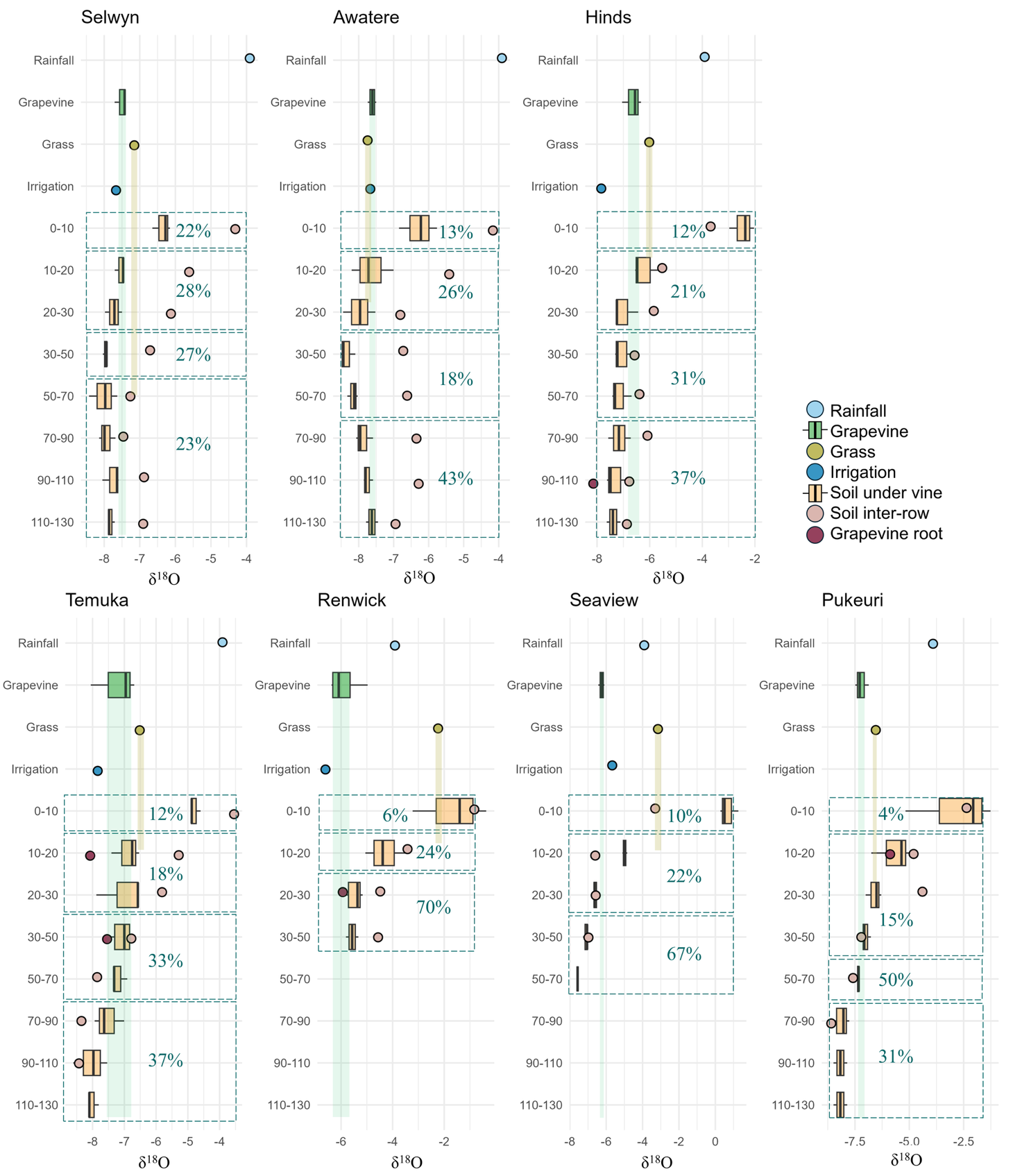
Figure 4. Interference plots of δ18O isotopic composition and MixSIAR estimates of grapevine water uptake.
3. Grapevine water uptake across soil types
We applied Bayesian mixing models (MixSIAR) to estimate the proportional contribution of different soil water pools to grapevine xylem water (full posterior summaries in SI–6). This approach incorporates uncertainty in both source and mixture values and yields probabilistic estimates of the soil depths from which grapevines were primarily sourcing water (Stock & Semmens, 2018). We interpreted differences in estimated water uptake patterns among soil types in relation to the soils’ physical and chemical properties (Figure 3). The PCA revealed that soil types differed mainly along gradients of soil texture and organic matter, whilst the correlation analyses showed that estimated water source contributions were more closely associated with organic matter-related properties. These patterns suggest that differences in grapevine water uptake among soils are linked to the combined effects of multiple soil properties that influence the soil environment. This interpretation is consistent with previous studies highlighting the role of organic matter in regulating soil properties (Kirkby et al., 2011) and soil structure and texture in regulating root growth and function (Morlat & Jacquet, 1993; Seguin, 1986; Van Zyl & Hoffman, 2019).
In Selwyn soil, grapevines exhibited relatively uniform water uptake across the profile (22–28 %, Figure 4). This even distribution is consistent with the soil’s high silt content (mean 64.4 %), weak horizon development, and high water-holding capacity (Manaaki Whenua, 2026), which together promote homogeneous water availability. Moderate GWC across depths (mean 17.7 %) and the absence of strong physical or chemical limitations likely enabled roots to access water throughout the profile rather than concentrating uptake at specific depths. Consistent with this, inter-row grass from the cover crop appears to access deeper water layers (up to 50 cm), reflecting the generally uniform soil moisture and likely reduced competition with grapevine roots for water.
In Awatere soil, grapevines preferentially extracted water from the upper-intermediate (26 % from 10–30 cm) and deep layers (42 % from 70–130 cm). These zones correspond to coarser horizons with higher sand content (46 % and 61.3 %, respectively). The silt-over-sand profile may promote contrasting hydraulic conditions, where the finer surface horizon, enriched in organic matter, contributes to water retention (Rawls et al., 2003), while underlying coarse-textured layers facilitate drainage and redistribution of water (Morlat & Jacquet, 1993). This dual structure may therefore provide two reliable water sources, a nutrient-rich upper layer and a deeper horizon with water accessible to roots (Figures 3 and 4).
In Hinds and Temuka soils, grapevines obtained up to 68 % and 70 % of their water from below 30 cm depth, respectively. This pattern occurs despite moderate C % and N % in the shallow soils and stable GWC across the profiles (Figure 3). The soils’ relatively high clay content (mean > 25 %) likely slows vertical water movement, consistent with imperfect drainage indicated by mottling (Manaaki Whenua, 2026). Thus, soil properties alone do not fully explain the preference for deeper water uptake. Instead, this pattern is consistent with observed grapevine behaviour during veraison, when roots shift water uptake to deeper layers to avoid potential drying in the shallow layer (Benettin et al., 2024; Karakis et al., 2018).
In both Renwick and Seaview soils, grapevine water uptake concentrated in the lower-intermediate horizon (70 % from 20–50 cm in Renwick and 67 % from 30–70 cm in Seaview, Figure 4), suggesting that subsoil compaction constrains rooting depth (Van Zyl & Hoffman, 2019). In Renwick, a dense layer at 50 cm depth likely limited root penetration, while in Seaview, a compacted layer at 70 cm depth imposed a similar restriction (Figure 3). These physical restrictions, combined with shallow effective soil depths and low shallow soil C %, likely reduce water availability near the surface and in deeper layers, confining water uptake to intermediate horizons. However, the estimated water uptake from both study sites reflects only the layers sampled with a manual auger (up to 50 cm in Renwick and 70 cm in Seaview). Additional water may have been taken up from deeper horizons that were inaccessible to us because of the compacted soil. Consequently, actual root water uptake likely extends below the measured depths, similar to the Pukeuri site, where an automatic jackhammer was required due to its highly compacted soil.
In Pukeuri soil, water uptake was concentrated in the dense, lower-intermediate, silt layer at 50–70 cm depth (50 %), followed by substantial uptake from the deep 70–110 cm soil (31 %). This pattern reflects the soil’s laminar structure and imperfect drainage, which promote moisture retention in subsurface horizons (Manaaki Whenua, 2026). High C % and N % in the shallow soil (Figure 3), associated with permanent, organic, and unmoved vegetation cover, likely enhanced infiltration and biological activity but did not translate into dominant shallow uptake, probably because the cover crop competed for water and there was no irrigation.
Overall, grapevine water uptake was strongly soil-dependent, reflecting differences in texture, structure and subsoil compaction (Figure 5). This aligns with previous studies demonstrating that soil characteristics shape grapevine root systems and influence where grapevines take up water (Morlat & Jacquet, 1993; Morlat & Jacquet, 2003; Seguin, 1986; Van Zyl & Hoffman, 2019; Penna et al., 2020; Scandellari et al., 2024). Our findings further show that soil management, particularly the presence of cover crops, can influence root distribution and water uptake, likely by promoting deeper soil water uptake to reduce competition with inter-row vegetation, in line with Celette et al. (2008), Morlat and Jacquet (2003), Smart et al. (2006), Ruiz et al. (2026). Together, these results emphasise that grapevine water uptake reflects a combination of soil characteristics and soil management practices, with important implications for irrigation efficiency.
Heatmaps show the relative contribution (%) of water uptake from different soil depths estimated with MixSIAR. Each heatmap is paired with the corresponding soil profile (illustrated by Allan E. Hewitt, Manaaki Whenua, 2026) to provide context on how soil characteristics influence the distribution of inferred grapevine water uptake with depth.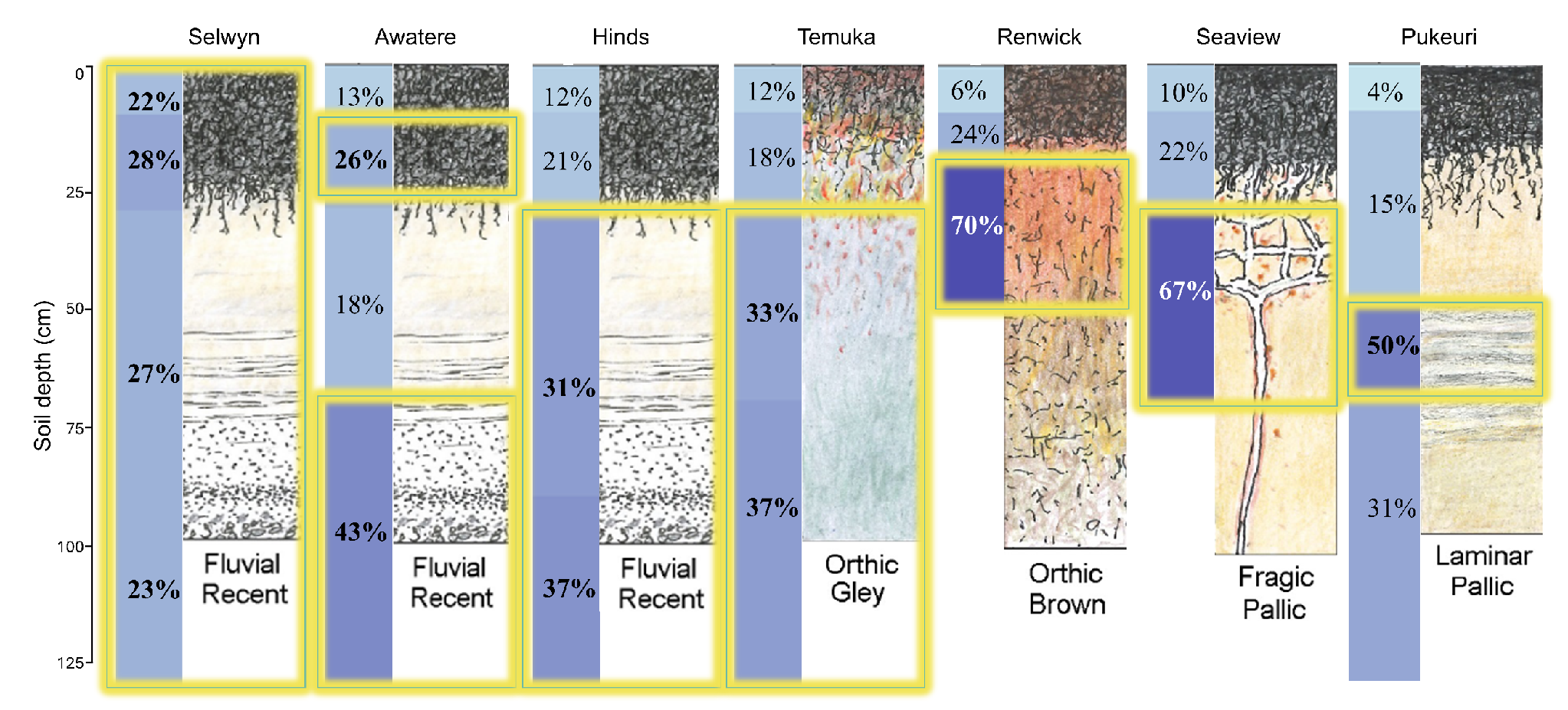
Figure 5. Estimated grapevine water uptake across soil types.
4. Grapevine water status and soil management recommendations
Whole berry δ13C values ranged from –25.1 to –30.1 ‰, indicating weak water deficit (–25 ‰ to –26 ‰) to no water deficit (< –26 ‰) for all grapevines, based on berry sugar δ13C thresholds reported in van Leeuwen et al. (2023). These results are consistent with iWUE calculated from leaf δ13C, which ranged from 58.5 to 103.8 µmol CO2 mol–1 H2O, falling within the range of well-watered grapevines around veraison reported in Medrano et al. (2015). Thus, despite differences in soil properties, soil management at the Pukeuri site and resulting water uptake depths, grapevines exhibited consistently low water stress across all seven study sites during the 2024–2025 vintage. These findings indicate that grapevines maintained adequate water status and highlight the value of using stable isotopes for assessing whether water availability meets grapevine requirements. Such information can support more targeted irrigation and soil management strategies by improving the understanding of when and where additional water inputs may be needed, while avoiding unnecessary irrigation (Table 2). Together, these findings align with earlier work emphasising the need to quantify grapevine water use in Marlborough and better define irrigation timing and volumes to guide efficient water management (Green et al., 2015).
Overall, irrigation and soil management strategies should be adapted to soil-specific water uptake patterns rather than uniformly applied across vineyards (Table 2). In Hinds, Temuka, and Awatere soils, where grapevines access deeper soil water, avoiding excessive shallow irrigation and favouring infiltration and replenishment of deeper layers would improve irrigation efficiency. In contrast, Renwick and Seaview soils showed limitations in accessing deep water sources, suggesting that improving soil structure and targeting irrigation to the accessible rooting zones may be more appropriate. In the organic, rain-fed vineyard at Pukeuri, promoting deep-rooted cover crops has helped improve soil structure and infiltration in this highly compacted soil. While this strategy enhances subsurface moisture availability, competition between the cover crop and the grapevines for water in the topsoil limits shallow uptake. Thus, management of cover crop density or selective mowing could further optimise water availability while maintaining the benefits for soil health and rooting depth. In all study sites, the presence of cover crop has been beneficial, sustaining soil structure and promoting GWC, with no evidence of competition for water with the grapevines.
Soil type | Water availability | Recommended soil management practices |
Selwyn |
|
|
Awatere |
|
|
Hinds Temuka |
|
|
Renwick |
|
|
Seaview |
|
|
Pukeuri |
|
|
This study provides insights into how soil properties influence grapevine water uptake across seven representative vineyard soil types in Marlborough, New Zealand. The observed water uptake patterns should be interpreted within the climatic conditions of the 2024–2025 vintage, which was characterised by average rainfall and slightly above-average temperatures. Most importantly, because each vineyard represented a specific soil–cultivar–rootstock combination, the independent effects of cultivar and rootstock on water uptake patterns could not be separated from the effects of soil properties (Smart et al., 2006; Serra et al., 2014). Nevertheless, although the resulting management recommendations were developed for Marlborough, the underlying principles are likely to apply to vineyards elsewhere where soil physical properties similarly influence rooting depth and water availability (Brillante et al., 2016; Morlat & Jacquet, 2003). Their implementation should, however, be adapted to the specific terroir of each vineyard.
Conclusions
The combination of soil properties (i.e., subsoil compaction, texture, C %, N %, C:N, GWC) and soil management practices (i.e., spontaneous cover crop, drip irrigation, under-vine herbicide) strongly shaped grapevine water uptake patterns across seven study sites in Marlborough, New Zealand. MixSIAR results indicated that, in fine-textured, weakly developed soils such as Selwyn, uniform water availability across the profile allowed relatively even uptake. In soils with a dual-layer structure, such as Awatere, vines exploited both nutrient-rich shallow horizons and coarse-textured deeper layers that provided water availability. In clay-rich, compact soils like Hinds and Temuka, uptake shifted predominantly to deeper layers, consistent with veraison-driven rooting behaviour and the increased water competition from cover crops in the topsoil. In contrast, soils with physical restrictions, such as Renwick and Seaview, constrained roots to mid-profile horizons above subsoil compacted layers, although actual uptake may extend deeper than measured due to limitations of manual sampling. In Pukeuri soil, dense silt layers combined with high topsoil organic matter promoted preferential mid-to-deep water uptake. Despite site-specific differences in water uptake depth, grapevines across all sites experienced minimal water stress. Although these findings are based on observations from a single growing season, the inherent soil properties investigated suggest that the observed water uptake patterns are likely to be consistent across years.
Given Marlborough’s need to improve irrigation efficiency under high evaporative demand and variable aquifer recharge, soil-specific management offers a pathway to prevent unnecessary irrigation water use. General best practices derived from this study include: promoting deep rooting through reduced shallow watering, maintaining managed cover crops to enhance infiltration and water retention, and tailoring irrigation scheduling to soil profile characteristics rather than applying calendar-based and uniform regimes. By identifying grapevine water uptake depth across seven vineyard soil types in Marlborough, this study provides viticulturists with evidence to tailor irrigation and soil management practices. Building on these findings, the stable isotope approach offers considerable potential for future applications in the region by providing an evidence base to quantify grapevine water use and inform sustainable irrigation strategies.
Acknowledgements
The authors thank R. Lozano, M. Keys, and L. McCarthy for their invaluable assistance in the field. We also thank S. Field from Nelson Marlborough Institute of Technology, and the Marlborough Research Centre Trust, Indevin Wine Group, and Starborough Wines for their participation in the study. We also acknowledge the time and resource contributions of Marlborough-based staff at the Bioeconomy Science Institute. This work was carried out within the framework of the IsWINE Project (No. 101152621), funded by the Marie Skłodowska-Curie Actions (HORIZON-MSCA-2023-PF-01) under the Horizon Europe programme.
References
- Amerine, M. A., & Winkler, A. J. (1944). Composition and quality of musts and wines of California grapes. Hilgardia, 15, 493–675.
- Barbeta, A., Jones, S. P., Clavé, L., Wingate, L., Gimeno, T.E., Fréjaville, B., Wohl, S., Ogée, J. (2019). Unexplained hydrogen isotope offsets complicate the identification and quantification of tree water sources in a riparian forest. Hydrology and Earth System Sciences, 23(4), 2129–2146. https://doi.org/10.5194/hess-23-2129-2019
- Baring Head, New Zealand. (2024). https://scrippsco2.ucsd.edu/data/atmospheric_co2/nzd.html
- Barnard, R. L., De Bello, F., Gilgen, A. K., & Buchmann, N. (2006). The δ¹⁸O of root crown water best reflects source water δ¹⁸O in different types of herbaceous species. Rapid Communications in Mass Spectrometry, 20(24), 3799–3802. https://doi.org/10.1002/rcm.2778
- Bchir, A., Escalona, J. M., Gallé, A., Hernandez-Montes, E., Tortosa, I., Braham, M., Medrano, H. (2016). Carbon isotope discrimination (δ¹³C) as an indicator of vine water status and water use efficiency (WUE): Looking for the most representative sample and sampling time. Agricultural Water Management, 167, 11–20. https://doi.org/10.1016/j.agwat.2015.12.018
- Benettin, P., Tagliavini, M., Andreotti, C., di Villahermosa, F., Verdone, M., Dani, A. and Penna, D. (2024). Ecohydrological dynamics and temporal water origin in a European Mediterranean vineyard. Ecohydrology, 18(2), e2711. https://doi.org/10.1002/eco.2711
- Brillante, L., Bois, B., Lévêque, J., and Mathieu, O. (2016). Variations in soil-water use by grapevine according to plant water status and soil physical-chemical characteristics-A 3D spatio-temporal analysis. Eur. J. Agron. 77, 122–135. https://doi.org/10.1016/j.eja.2016.04.004
- Bronick, C. J., & Lal, R. (2005). Soil structure and management: A review. Geoderma, 124(1–2), 3–22. https://doi.org/10.1016/j.geoderma.2004.03.005
- Brown, L. J. (1981). Late Quaternary geology of the Wairau Plain, Marlborough, New Zealand. New Zealand Journal of Geology and Geophysics, 24, 477–490. https://doi.org/10.1080/00288306.1981.10422739
- Celette, F., Gaudin, R., & Gary, C. (2008). Spatial and temporal changes to the water regime of a Mediterranean vineyard due to the adoption of cover cropping. European Journal of Agronomy, 29(4), 153–162. https://doi.org/10.1016/j.eja.2008.04.007
- Ceperley, N., Gimeno, T. E., Jacobs, S. R., Beyer, M., Dubbert, M., Fischer, B., Geris, J., Holko, L., Kübert, A., Le Gall, S., Lehmann, M. M., Llorens, P., Millar, C., Penna, D., Prieto, I., Radolinski, J., Scandellari, F., Stockinger, M., Stumpp, C., … Rothfuss, Y. (2024). Toward a common methodological framework for the sampling, extraction, and isotopic analysis of water in the Critical Zone to study vegetation water use. Wiley Interdisciplinary Reviews: Water, 11(4), e1727. https://doi.org/10.1002/wat2.1727
- Chappell, P. R. (2016). The climate and weather of Marlborough (2nd ed.). https://niwa.co.nz/sites/default/files/Marlborough-Climatology.pdf
- Darouich, H., Ramos, T. B., Pereira, L. S., Rabino, D., Bagagiolo, G., Capello, G., Simionesei, L., Cavallo, E., & Biddoccu, M. (2022). Water use and soil water balance of Mediterranean vineyards under rainfed and drip irrigation management: Evapotranspiration partition and soil management modelling for resource conservation. Water, 14(4), 554. https://doi.org/10.3390/w14040554
- Davidson, P. (2024). 2024 Groundwater quantity state of environment report. https://www.marlborough.govt.nz/repository/libraries/id:2ifzri1o01cxbymxkvwz/hierarchy/documents/your-council/meetings/2024/environment-planning-2024-list/Item_12-14112024-2024_Groundwater_Quantity_State_of_the_Environment%28SoE%29Report.pdf
- Davidson, P., & Wilson, S. (2011). Groundwaters of Marlborough. In P. Hamill (Ed.), Chapter 12 – Environmental isotopes. Marlborough District Council. https://www.marlborough.govt.nz/repository/libraries/id:2ifzri1o01cxbymxkvwz/hierarchy/documents/environment/groundwater/groundwaters-of-marlborough-list/M%20Chapter12.pdf
- Dawson, T. E., & Ehleringer, J. R. (1993). Isotopic enrichment of water in the woody tissues of plants: Implications for plant water source, water uptake, and other studies which use the stable isotopic composition of cellulose. Geochimica et Cosmochimica Acta, 57(14), 3487–3492. https://doi.org/10.1016/0016-7037(93)90554-a
- Diao, H., Schuler, P., Goldsmith, G. R., Siegwolf, R.T.W., Saurer, M., Lehmann, M.M. (2022). Technical note: On uncertainties in plant water isotopic composition following extraction by cryogenic vacuum distillation. Hydrology and Earth System Sciences, 26(22), 5835–5847. https://doi.org/10.5194/hess-26-5835-2022
- Dudley, B. D., Hill, A. F., & McKenzie, A. (2024). A seasonal precipitation isoscape for New Zealand. Journal of Hydrology: Regional Studies, 52, 101711. https://doi.org/10.1016/j.ejrh.2024.101711
- Farquhar, G. D., O’Leary, M. H., & Berry, J. A. (1982). On the relationship between carbon isotope discrimination and the intercellular carbon dioxide concentration in leaves. Australian Journal of Plant Physiology, 9(2), 121–137. https://doi.org/10.1071/pp9820121
- French, P. A., Swarts, N. D., Hardie, M. A., & Barry, K. M. (2025). Cover crops in cool-climate viticulture: Effects on soil, vine productivity, and fruit quality. Agronomy Journal, 117(5). https://doi.org/10.1002/agj2.70158
- Green, S., Clothier, B., Dijssel, C., Deurer, M. and Davidson, P. (2015). Measuring and modeling the stress response of grapevines to soil-water deficits. In Response of crops to limited water: Understanding and modeling water stress effects on plant growth processes (pp. 357–385). https://doi.org/10.2134/advagricsystmodel1.c12
- Herath, I., Green, S., Singh, R., Horne, D., van der Zijpp, S., Clothier, B. (2013). Water footprinting of agricultural products: A hydrological assessment for the water footprint of New Zealand’s wines. Journal of Cleaner Production, 41, 232–243. https://doi.org/10.1016/j.jclepro.2012.10.024
- Hewitt, A. E. (2010). New Zealand soil classification (3rd ed.). Manaaki Whenua Press. https://github.com/lauren-obrien/nzsc_v3
- Karakis, S., Gulbranson, E., & Cameron, B. (2018). Insight into the source of grapevine water acquisition during key phenological stages using stable isotope analysis. Australian Journal of Grape and Wine Research, 24(2), 252–259. https://doi.org/10.1111/ajgw.12318
- Kirkby, C. A., Kirkegaard, J. A., Richardson, A. E., Wade, L.J., Blanchard, C., Batten, G. (2011). Stable soil organic matter: A comparison of C:N:P:S ratios in Australian and other world soils. Geoderma, 163(3–4), 197–208. https://doi.org/10.1016/j.geoderma.2011.04.010
- Koeniger, P., Marshall, J. D., Link, T., & Mulch, A. (2011). An inexpensive, fast, and reliable method for vacuum extraction of soil and plant water for stable isotope analyses by mass spectrometry. Rapid Communications in Mass Spectrometry, 25(20), 3041–3048. https://doi.org/10.1002/rcm.5198
- Kottek, M., Grieser, J., Beck, C., Rudolf, B., Rubel, F. (2006). World map of the Köppen-Geiger climate classification updated. Meteorologische Zeitschrift, 15(3), 259–263. https://doi.org/10.1127/0941-2948/2006/0130
- Manaaki Whenua – Landcare Research. (2026). S-Map Online: A digital soil map for Aotearoa New Zealand. https://smap.landcareresearch.co.nz/
- Marlborough District Council. (2025). Groundwater: Allocation and irrigation. https://www.marlborough.govt.nz/environment/groundwater/wells/allocation-and-irrigation
- Marlborough Winegrowers Association. (2026). Marlborough Wine. https://www.marlboroughwinenz.com/
- Medrano, H., Tomás, M., Martorell, S., Escalona, J-M., Pou, A., Fuentes, S., Flexas, J., Bota, J. (2015). Improving water use efficiency of vineyards in semi-arid regions: A review. Agronomy for Sustainable Development, 35(2), 499–517. https://doi.org/10.1007/s13593-014-0280-z
- Morlat, R., & Jacquet, A. (1993). The soil effects on grapevine root system in several vineyards of the Loire Valley (France). Vitis, 32, 35–42.
- Morlat, R., & Jacquet, A. (2003). Grapevine root system and soil characteristics in a vineyard maintained long-term with or without interrow sward. American Journal of Enology and Viticulture, 54(1), 1–7. https://doi.org/10.5344/ajev.2003.54.1.1
- New Zealand Winegrowers. (2025). Annual report. https://www.nzwine.com/media/ohtobhbr/nzw-annual-report_2025_digital_lr.pdf
- NIWA, National Institute of Water and Atmospheric Research. (2025). Climate station statistics: National Climate Database. https://data.niwa.co.nz/products/climate-station-statistics
- Parnell, A. C., Phillips, D. L., Bearhop, S., Semmens, B.X., Ward, E.J., Moore, J.W., Jackson, A.L., Grey, J., Kelly, D.J., Inger, R. (2013). Bayesian stable isotope mixing models. Environmetrics, 24(6), 387–399. https://doi.org/10.1002/env.2221
- Penna, D., Geris, J., Hopp, L., & Scandellari, F. (2020). Water sources for root water uptake: Using stable isotopes of hydrogen and oxygen as a research tool in agricultural and agroforestry systems. Agriculture, Ecosystems & Environment, 291, 106790. https://doi.org/10.1016/j.agee.2019.106790
- Penna, D., Zanotelli, D., Scandellari, F., Aguzzoni, A., Engel, M., Tagliavini, M., & Comiti, F. (2021). Water uptake of apple trees in the Alps: Where does irrigation water go? Ecohydrology, 14(6). https://doi.org/10.1002/eco.2306
- Pérez-Harguindeguy, N., Díaz, S., Garnier, E., Lavorel, S., Poorter, H., Jaureguiberry, P., Bret-Harte, M.S., Cornwell, W.K., Craine, J.M., Gurvich, D.E., Urcelay, C., Veneklaas, E.J., Reich, P.B., Poorter, L., Wright, I.J., Ray, P., Enrico, L., Pausas, J.G., de Vos, A.C., Buchmann, N., Funes, G., Quétier, F., …, & Cornelissen, J.H.C. (2013). New handbook for standardised measurement of plant functional traits worldwide. Australian Journal of Botany, 61(3), 167–234. https://doi.org/10.1071/bt12225
- Rawls, W. J., Pachepsky, Y. A., Ritchie, J. C., Sobecki, T.M., Bloodworth, H. (2003). Effect of soil organic carbon on soil water retention. Geoderma, 116(1–2), 61–76. https://doi.org/10.1016/s0016-7061(03)00094-6
- Ruiz, I. (2025). Water uptake in vineyards II – Lab work [Video recording]. https://doi.org/10.5281/zenodo.17981539
- Ruiz, I., Schwendenmann, L., Barbeta, A., Lehmann, M.M., Parmo, R., Aizpurua, A. (2026). Soil management effects on grapevine water uptake depth in a Mediterranean vineyard. European Journal of Soil Science, 77(2), e70301. https://doi.org/10.1111/ejss.70301
- Rutledge, D., Briggs, C., Lynn, I., & Price, R. (2010). Land-use trends in Marlborough District: Consequences for soil resources. https://www.researchgate.net/publication/265186086_Land-Use_Trends_in_Marlborough_District_Consequences_for_Soil_Resources
- Scandellari, F., Attou, T., Barbeta, A., Bernhard, F., D’Amato, C., Dimitrova-Petrova, K., Donaldson, A., Durodola, O., Ferraris, S., Floriancic, M.G., Fontenla-Razzetto, G., Gerchow, M., Han, Q., Khalil, I., Kirchner, J.W., Kühnhammer, K., Liu, Q., Llorens, P., Magh, R-K., …, Sprenger, M. (2024). Using stable isotopes to inform water resource management in forested and agricultural ecosystems. Journal of Environmental Management, 365, 121381. https://doi.org/10.1016/j.jenvman.2024.121381
- Seguin, G. (1986). Terroirs and pedology of wine growing. Experientia, 42(8), 861–873. https://doi.org/10.1007/bf01941763
- Serra, I., Strever, A., Myburgh, P. A., & Deloire, A. (2014). The interaction between rootstocks and cultivars (Vitis vinifera L.) to enhance drought tolerance in grapevine. Australian Journal of Grape and Wine Research, 20(1), 1–14. https://doi.org/10.1111/ajgw.12054
- Smart, D. R., Schwass, E., Lakso, A., & Morano, L. (2006). Grapevine rooting patterns: A comprehensive analysis and a review. American Journal of Enology and Viticulture, 57(1). https://10.5344/ajev.2006.57.1.89
- Smart, R. E., & Robinson, M. (1991). Sunlight into wine: A handbook for winegrape canopy management. Winetitles.
- Stock, B., & Semmens, B. (2018). MixSIAR GUI user manual v3.1. https://github.com/brianstock/MixSIAR/blob/master/inst/mixsiar_manual_small.pdf
- van Leeuwen, C., Bois, B., Brillante, L., Destrac-Irvine, A., Gowdy, M., Martin, D., Plantevin, M., de Rességuier, L., Santesteban, L.G., Zufferey, V. (2023). Carbon isotope discrimination (δ¹³C) measured on grape juice is an accessible tool to monitor vine water status in production conditions. IVES Technical Reviews, Vine and Wine. https://doi.org/10.20870/ives-tr.2023.7742
- Van Zyl, J., & Hoffman, E. (2019). Root development and the performance of grapevines in response to natural as well as man-made soil impediments. GIESCO International Meeting, 108–116.
- Von Freyberg, J., Knapp, J. L. A., Rücker, A., & Kirchner, J. W. (2020). Technical note: Evaluation of a low-cost evaporation protection method for portable water samplers. Hydrology and Earth System Sciences, 24(12), 5821–5834. https://doi.org/10.5194/hess-24-5821-2020
- Winkler, A. J. (1965). General viticulture. University of California Press.
 Views: 313
 XML: 15