

ENOLOGY / Original research article
Abstract
Fungus-resistant grape varieties (FRG) are increasingly recognised as a promising way to make the wine industry more resilient in the face of societal pressures and climate change, while also creating new market opportunities. However, sensory data on FRG wines, particularly those produced in southern France, is limited – the present study aimed to provide a sensory characterisation of these wines on a large scale. A total of 43 white and 33 red wines, made from FRG and Vitis vinifera varieties, were evaluated over two consecutive years by a trained panel using the Check-All-That-Apply (CATA) method. Panel performance was validated using replicate samples assessed across sub-sessions. The results highlighted a wide diversity of sensory profiles among FRG wines, which were comparable to those of Vitis vinifera wines, with no clear distinction between the two categories. White FRG wines exhibited particularly high variability, influenced by climate and vintage, whereas red wines showed more distinctive patterns. Some varieties, such as ‘Vidoc’, displayed a broader range of profiles, while others, including ‘Artaban’, showed more consistent profiles across sites and years. These findings provide the wine industry with practical insights, indicating that FRG varieties can be planted without risking the production of wines with atypical sensory profiles. Future research should build on these results by conducting detailed aroma compound analyses and hedonic evaluations with experts and consumers, with and without information disclosure regarding the resistant character. Additionally, FRG wines from other French vineyards should be investigated.
Introduction
Since grapevine domestication that occurred simultaneously in the Near East and the Caucasus region about 11,000 years ago (Dong et al., 2023), varietal evolution through sexual reproduction has generally been the result of unintentional processes (Yobrégat, 2018). The introduction of phylloxera (Daktulosphaira vitifoliae) from America to Europe, first detected in France in 1863, led several breeders in the late 19th century and early 20th century to conduct directed interspecific crosses involving American Vitis species in order to develop rootstocks that could withstand this sap-feeding insect, which was destroying vineyards planted with Vitis vinifera (This et al., 2024). This was followed by a period of variety breeding, resulting in the creation of “hybrid direct producers”, known in French as HPD. Besides being resistant to phylloxera, enabling them to be planted on their own roots, these varieties also exhibited cross-resistance to downy mildew (DM) (Plasmopara viticola) and powdery mildew (PM) (Erysiphe necator), two other fungal diseases introduced from America during the same period (Töpfer et al., 2011). In 1960, the area planted with HPD reached up to 400,000 hectares in France, representing 30 % of the national vineyard area (Reynier, 2011).
The restrictive regulatory framework that emerged after the Second World War considerably slowed down grape breeding initiatives in France, contributing to the removal of these varieties (Paire et al., 2024; Torregrosa et al., 2024).
The only French interspecific hybridisation programme conducted during the second half of the 20th century to develop fungus-resistant grape varieties (FRG), sometimes referred to as fungus-tolerant varieties, was led by Alain Bouquet, a researcher at the French National Research Institute for Agriculture, Food, and Environment (INRAE). The programme involved backcrossing Vitis rotundifolia Michx offspring with several Vitis vinifera Mediterranean cultivars (Paire et al., 2024). Subsequently, in 2000, in response to growing societal pressure to reduce pesticide use, INRAE launched an ambitious breeding programme in Alsace named “RESDUR” to combine several resistance genes against DM and PM, and therefore to limit the risk of disease bypass (Schneider et al., 2019).
The first four varieties obtained within the framework of this programme – ’Floreal’, ‘Voltis’, ‘Vidoc’, and ‘Artaban’ – were registered in the French catalogue in 2018. Currently, French winegrowers can choose from a total of 40 tolerant or fully resistant varieties developed in Italy, Germany, or Switzerland by public or private breeders (www.plantgrape.fr).
These varieties, which enable limiting the number of spray applications targeting DM and PM, typically from 10 to 15 treatments to only 2 or 3, are becoming increasingly popular among winegrowers as illustrated by the 2,270 hectares of vines in France in 2023 (Torregrosa et al., 2024). Interest in this approach is particularly pronounced in the south of France, specifically in the Occitanie region (Dolet et al., 2024).
Although studies conducted in north-eastern USA and Québec under cool climate conditions have shown that wines made from hybrid grape varieties obtained from interspecific crosses involving Vitis vinifera and other Vitis species can exhibit distinct olfactory profiles and contain significant concentrations of rotundone, monoterpenols, or methoxypyrazine (Homich et al., 2017; Sleger et al., 2015; Sun, 2011), or have a variable cis-3-hexenol to trans-2-hexenal ratio (Pedneault et al., 2013), little is known about the sensory characteristics of wines made from new varieties obtained and grown in Europe, particularly under warmer conditions. However, a recent study by Dolet et al. (2026) in southern France demonstrated that professional panels found no notable differences in the sensory profiles or overall preference of wines made from FRD varieties compared to those made from traditional Vitis vinifera varieties. Although Paire et al. (2025a) investigated the use of ‘Vidoc’ and ‘Artaban’ in French Merlot red blends produced in the south of France, three studies on monovarietal wines were, to our knowledge, conducted in the alpine climates of Switzerland and the Italian province of South Tyrol (Blackford et al., 2025; Duley et al., 2025a; Duley et al., 2025b). Research carried out in Switzerland showed that white FRG wines exhibit distinct characteristics compared to traditional varieties, with some having higher alcohol content and varying acidity. Red FRG wines showed greater sensory differentiation, particularly in terms of spiciness and bouquet. They were also notably darker and more intense in colour due to their high phenol and anthocyanin content. In contrast, the Italian study reported little sensory distinctiveness between FRG and Vitis vinifera wines, with only the attributes “honey” and “pineapple” showing a significant difference.
The present study aimed to characterise the sensory profiles of a large range of commercial and experimental white and red wines produced in the south of France from FRG during two consecutive seasons using the check-all-that-apply (CATA) method. This increasingly popular and simple descriptive method, which was introduced in sensory science in 2007 (Adams et al., 2007), has proved powerful enough to discriminate between samples (Valentin et al., 2012). Some wines made from traditional Vitis vinifera varieties produced in the region under study were also included in the experimental design for comparative purposes.
Materials and methods
1. Wine samples
A total of 43 white wines (vintages 2018–2023) and 33 red wines (vintages 2020–2023) underwent sensory characterisation. Samples from FRG (single-varietal or blended) and Vitis vinifera (single-varietal) were evaluated for both types of wine. The study included both experimental and commercial wines mainly from the Occitanie and Nouvelle-Aquitaine regions in the south of France. (Tables 1 and 2). Using experimental wines ensured 100 % varietal purity, whereas commercial wines, despite varietal labelling, may contain up to 15 % other varieties. The detailed composition of commercial wines was confirmed by the winery when possible. Wines were classified into three geographical-climatic areas, namely the Mediterranean (Type 8), the Southwest basin (Type 7) and the Altered oceanic (Type 4) areas, according to the classification provided by Joly et al. (2010). The altered oceanic climate is mild with moderate rainfall, the southwest basin climate is warmer with rare frosts, and the Mediterranean climate has hot, dry summers and wet winters.
The Vitis vinifera grape varieties were selected for their prevalence in the study region and because they are among the most widely planted varieties in 2022, used to produce white and red wines within the Protected Geographical Indication (PGI) Pays d’Oc, which is the main designation for varietal wines in southern France (https://www.paysdoc-wines.com). The reference wines were selected to represent the commercial offering of each variety in the study region. They were produced by major wine companies that sell several million bottles of these wines each year.
This study was conducted over two years to capture the full diversity of profiles, as seasonality and terroir are the main factors influencing the composition of wine, particularly with regard to aroma compounds and sensory characteristics (van Leeuwen et al., 2020).
The FRG wines used in this study were those produced in southern France identified in an earlier, comprehensive national study of the commercial FRG wine market in France (Paire et al., 2025b). In addition to geographical origin, the selection was guided by two main criteria: maximising sample diversity and including emerging varieties, such as ‘Floreal’, ‘Artaban’, and ‘Vidoc’, whose cultivated area is beginning to expand in southern France (Dolet et al., 2024). The selected wines were made from FRG varieties bred in several European countries such including France (e.g., ‘Floreal’, ‘Voltis’, ‘Artaban’, ‘Vidoc’, Bouquet G14, Bouquet 3176), Germany (‘Souvignier Gris’, ‘Muscaris’, ‘Cabernet blanc’, ‘Prior’, ‘Monarch’, ‘Cabernet Cortis’), Switzerland (‘Sauvignac’, ‘Pinotin’, ‘Cabernet noir’, ‘Cabernet Jura’), and Italy (‘Soreli’, ‘Sauvignon Kretos’, ‘Cabernet Volos’, ‘Merlot Khorus’).
Wine code | Grape variety | Vintage | Geographical area | Wine type | Analysis year |
Bq3159 | Bouquet 3159-2-12 | 2022 | Mediterranean | experimental | Year 1 |
Bq3159-Flo | Bouquet 3159-2-12 – ‘Floreal’ | 2023 | Mediterranean | experimental | Year 2 |
BqG5 | Bouquet G5 | 2022 | Mediterranean | experimental | Year 1 |
BqG5-BqG9 | Bouquet G5 – Bouquet G9 | 2023 | Mediterranean | experimental | Year 2 |
BqG9 | Bouquet G9 | 2022 | Mediterranean | commercial | Year 1 |
CabB | ‘Cabernet blanc’ | 2023 | Mediterranean | experimental | Year 2 |
Chd_1a | ‘Chardonnay’ | 2022 | Mediterranean | commercial | Year 1 |
Chd_1b | ‘Chardonnay’ | 2022 | Mediterranean | commercial | Year 2 |
Fleu_1 | ‘Fleurtai’ | 2022 | Mediterranean | experimental | Year 1 |
Fleu_2 | ‘Fleurtai’ | 2023 | Mediterranean | experimental | Year 2 |
Flo_1 | ‘Floreal’ | 2022 | Mediterranean | experimental | Year 1 |
Flo_2 | ‘Floreal’ | 2022 | Mediterranean | experimental | Year 1 |
Flo_3 | ‘Floreal’ | 2022 | Mediterranean | commercial | Year 1 |
Flo_4 | ‘Floreal’ | 2022 | Mediterranean | commercial | Year 1 |
Flo_5 | ‘Floreal’ | 2022 | Mediterranean | commercial | Year 2 |
Flo_6 | ‘Floreal’ | 2023 | Mediterranean | commercial | Year 2 |
Flo_7 | ‘Floreal’ | 2023 | Southwest basin | commercial | Year 2 |
Flo_8 | ‘Floreal’ | 2023 | Southwest basin | experimental | Year 2 |
Flo_9 | ‘Floreal’ | 2023 | Southwest basin | experimental | Year 2 |
Ker | ‘Kersus’ | 2023 | Mediterranean | experimental | Year 2 |
Mus | ‘Muscaris’ | 2023 | Altered oceanic | commercial | Year 2 |
Mus-Flo-Sor | ‘Muscaris’ – ‘Floreal’ – ‘Soreli’ | 2022 | Mediterranean | commercial | Year 2 |
Saph_1 | ‘Saphira’ | 2022 | Mediterranean | experimental | Year 1 |
Saph_2 | ‘Saphira’ | 2023 | Mediterranean | experimental | Year 2 |
Sau_1 | ‘Sauvignon’ | 2022 | Mediterranean | commercial | Year 1 |
Sau_2 | ‘Sauvignon’ | 2022 | Mediterranean | commercial | Year 2 |
Savc | ‘Sauvignac’ | 2020 | Altered oceanic | commercial | Year 1 |
Savc-Musc | ‘Sauvignac’ – ‘Muscaris’ | 2023 | Altered oceanic | commercial | Year 2 |
Sor_1a | ‘Soreli’ | 2022 | Mediterranean | commercial | Year 1 |
Sor_1b | ‘Soreli’ | 2022 | Mediterranean | commercial | Year 2 |
Sor-Fleu-Souv | ‘Soreli’ – ‘Fleurtai’ – ‘Souvignier gris’ | 2022 | Mediterranean | commercial | Year 2 |
Souv_1 | ‘Souvignier gris’ | 2022 | Mediterranean | experimental | Year 1 |
Souv_2 | ‘Souvignier gris’ | 2022 | Mediterranean | commercial | Year 1 |
Souv_3 | ‘Souvignier gris’ | 2022 | Mediterranean | commercial | Year 1 |
Souv_4 | ‘Souvignier gris’ | 2022 | Mediterranean | commercial | Year 2 |
Souv_5 | ‘Souvignier gris’ | 2023 | Southwest basin | experimental | Year 2 |
Souv-Mus_1 | ‘Souvignier gris’ – ‘Muscaris’ | 2022 | Mediterranean | commercial | Year 1 |
Souv-Mus_2 | ‘Souvignier gris’ – ‘Muscaris’ | 2023 | Mediterranean | commercial | Year 2 |
Souv-Savc | ‘Souvignier gris’ – ‘Sauvignac’ | 2020 | Altered oceanic | commercial | Year 1 |
Vio_1a | ‘Viognier’ | 2022 | Mediterranean | commercial | Year 1 |
Vio_1b | ‘Viognier’ | 2022 | Mediterranean | commercial | Year 2 |
Vol_1 | ‘Voltis’ | 2022 | Mediterranean | experimental | Year 1 |
Vol_2 | ‘Voltis’ | 2018 | Southwest basin | experimental | Year 2 |
Samples made from Vitis vinifera grapes are highlighted in grey. The types listed in “Geographical area” are numbered as in Joly et al., 2010. Wines with the same superscript letter (ab,) are the same wine and vintage, but may be from different commercial batches and were evaluated in both years.
Wine code | Grape variety | Vintage | Geographical area | Wine type | Analysis year |
Art_1 | ‘Artaban’ | 2022 | Mediterranean | experimental | Year 1 |
Art_2 | ‘Artaban’ | 2022 | Southwest basin | experimental | Year 2 |
Art_3 | ‘Artaban’ | 2023 | Mediterranean | experimental | Year 2 |
Art_4 | ‘Artaban’ | 2023 | Mediterranean | commercial | Year 2 |
Bq3176_1 | Bouquet 3176-21-11 | 2022 | Mediterranean | experimental | Year 1 |
Bq3176_2 | Bouquet 3176-21-11 | 2022 | Mediterranean | experimental | Year 1 |
Bq3176_3 | Bouquet 3176-21-11 | 2023 | Mediterranean | experimental | Year 2 |
Bq3328 | Bouquet 3328-306 | 2022 | Mediterranean | experimental | Year 1 |
BqG14_1 | Bouquet G14 | 2022 | Mediterranean | experimental | Year 1 |
BqG14_2 | Bouquet G14 | 2023 | Mediterranean | experimental | Year 2 |
CabCor | ‘Cabernet Cortis’ | 2022 | Mediterranean | experimental | Year 1 |
CabJur_1a | ‘Cabernet Jura’ | 2020 | Altered oceanic | commercial | Year 1 |
CabJur_1b | ‘Cabernet Jura’ | 2020 | Altered oceanic | commercial | Year 2 |
CabN_1a | ‘Cabernet noir’ | 2022 | Mediterranean | commercial | Year 1 |
CabN_1b | ‘Cabernet noir’ | 2022 | Mediterranean | commercial | Year 2 |
CS | ‘Cabernet-Sauvignon | ‘2021 | Mediterranean | commercial | Year 1 |
Gre | ‘Grenache’ | 2022 | Mediterranean | commercial | Year 2 |
Mer_1 | ‘Merlot’ | 2021 | Mediterranean | commercial | Year 1 |
Mer_2 | ‘Merlot’ | 2021 | Mediterranean | commercial | Year 2 |
Merk_1 | ‘Merlot Khorus’ | 2021 | Mediterranean | commercial | Year 1 |
Merk_2 | ‘Merlot Khorus’ | 2022 | Mediterranean | commercial | Year 2 |
Mon_1 | ‘Monarch’ | 2022 | Mediterranean | experimental | Year 1 |
Mon_2 | ‘Monarch’ | 2023 | Mediterranean | experimental | Year 2 |
Pino_1 | ‘Pinotin’ | 2022 | Mediterranean | experimental | Year 1 |
Pino_2 | ‘Pinotin’ | 2023 | Mediterranean | experimental | Year 2 |
PN | ‘Pinot noir’ | 2022 | Mediterranean | commercial | Year 2 |
Prior_1 | ‘Prior’ | 2022 | Mediterranean | experimental | Year 1 |
Prior_2 | ‘Prior’ | 2022 | Mediterranean | experimental | Year 1 |
Syr | ‘Syrah’ | 2021 | Mediterranean | commercial | Year 1 |
Vid_1 | ‘Vidoc’ | 2022 | Mediterranean | experimental | Year 1 |
Vid_2 | ‘Vidoc’ | 2022 | Southwest basin | experimental | Year 2 |
Vid_3 | ‘Vidoc’ | 2023 | Mediterranean | experimental | Year 2 |
Vid-Art | ‘Vidoc’ – ‘Artaban’ | 2022 | Mediterranean | commercial | Year 2 |
Samples made from Vitis vinifera grapes are highlighted in grey. Wines with the same superscript letter (a or b) are the same wine and vintage, but may be from different commercial batches and were evaluated in both years.
The oenological parameters of the wines were measured just before the sensory analysis was performed, in accordance with the reference methods of the International Organisation of Vine and Wine (OIV). The analysis was carried out once without replication (Tables S1 and S2).
2. Sensory analysis
Sensory analysis was conducted at INRAE UMR SPO in Montpellier, France, over two consecutive years: 2023 (year 1) and 2024 (year 2). The panel comprised 19 panellists in year 1 and 17 in year 2. Panel members were selected based on their sensory performance and interest, and then underwent training in the descriptive sensory analysis of wines (norm ISO 8586-2, 2008).
The wines were analysed using the Check All That Apply (CATA) methodology (Meyners et al., 2013) and, more specifically, during the olfactory assessment with hierarchical CATA (Koenig et al., 2023). The CATA principle is that panellists are given a list of predefined descriptors based on previous research and reviewed by project team members. They then selected all the descriptors that describe the sample to be tested. The set of descriptors used in this study is highly consistent with those identified by Garcia et al. 2022 in their previous research.
As for hierarchical CATA, this method allows for a more “natural” structure of attributes and reduces cognitive effort. It is a descriptive analysis method that enables the evaluation of a large number of samples. Prior to all tasting sessions each year, judges are trained to understand and consistently use the attributes, as well as to familiarise themself with the methodology. Standards were created by adding compounds to white or red wine to help the judges identify and remember the sensory attributes. A detailed list of the sensory attributes and related standards can be found in Table 3.
White wines |
| Red wines | ||||
Olfactory family | Olfactory descriptors | Standards |
| Olfactory family | Olfactory descriptors | Standards |
F_Fruity | citrus exotic fruit white fruit cooked fruit muscat | grapefruit and lemon zest exotic fruit mix fruit in syrup apricot jam muscat wine |
| F_Fruity | red berries blackcurrant | red fruit juice blackcurrant juice red fruit jam |
F_Floral | white flowers rose | linalol rose water |
| F_Floral | violet | α-ionone |
F_Vegetable | blackcurrant bud fresh grass undergrowth | fresh grass humus |
| F_Vegetable | sweet pepper fresh grass undergrowth | 2-isobutyl-3-methoxypyrazine green pepper fresh grass humus |
F_Spicy | pepper | black pepper clove |
| F_Spicy | pepper liquorice | black pepper liquorice concentrate clove |
F_Empyreumatic | burnt smoked caramel | toasted bread smoky aroma liquid caramel |
| F_Empyreumatic | burnt smoked caramel | toasted bread smoky aroma liquid caramel |
F_Pastry | vanilla baking spices honey biscuit | vanilla powder baking spices all-flower honey madeleines |
| F_Pastry | vanilla baking spices brioche | vanilla powder baking spices brioche |
F_Alcohol | alcohol cherry | absolute ethanol kirsh |
| F_Alcohol | alcohol cherry | absolute ethanol kirsh |
F_Lactic | butter | melted butter condensed milk |
| F_Lactic | butter | melted butter condensed milk |
F_Mineral | flint dust | flint pentachloroanisol |
| F_Mineral | flint dust | flint pentachloroanisol |
F_Chemical | amyl solvent | isoamyl acetate banana candy nail polish remover |
| F_Chemical | amyl solvent | isoamyl acetate banana candy nail polish remover |
F_Oxidised | sweet wine prune nut | Rivesalte natural sweet wine prune juice walnut kernels |
| F_Oxidised | sweet wine prune nut | Rivesalte natural sweet wine prune juice walnut kernels |
F_Reduced | sulphur boiled vegetables | sulphur vegetables for soup |
| F_Reduced | sulphur boiled vegetables | sulphur vegetables for soup |
Gustatory descriptor | Standards |
| F_Animal | leather | 4-ethylphenol | |
Acidity | tartaric acid |
| Gustatory descriptor | Standards | ||
Alcohol | absolute ethanol |
| Acidity | tartaric acid | ||
Bitterness | caffeine |
| Alcohol | absolute ethanol | ||
Aqueous | water |
| Bitterness | caffeine | ||
Aromatic |
|
| Aqueous | water | ||
Fat | cellulose gum |
| Aromatic |
| ||
Sweetness | rectified concentrated must |
| Fat | cellulose gum | ||
Short |
|
| Sweetness | rectified concentrated must | ||
Long |
|
| Short |
| ||
|
|
|
| Long |
| |
|
|
|
| Astringency | grape tannin extracts | |
The letter F before the descriptor indicates that it refers to an olfactory family.
Wines were analysed over several sessions each year, with an average of 11 ± 1 white wines and 8 red wines tasted per session. The analyses were conducted in individual testing booths. Samples (30 ml) were served at room temperature (18 ± 1 °C) in black glasses to avoid potential visual influences during evaluation. The glasses were covered with a plastic cap and marked with random three-digit codes. The wines were presented in a monadic service according to William’s Latin square design to balance the order of presentation and the carry-over effect (Macfie et al., 1989). Fifty per cent of the wines were analysed in duplicate. For each sample, judges had to select the most relevant attributes from lists of 30 olfactory terms (classified hierarchically into 12 families) and 9 gustatory terms for white wines, and 29 olfactory terms (classified into 13 families) and 10 gustatory terms for red wines (Table 3).
Data acquisition was assisted by FIZZ software (FIZZ network, v.2.518; Biosystème, Courtenon, France).
3. Statistical analysis
HCATA data were collected in a product-by-attribute table for each subject, with scores of 0 (absent) or 1 (present).
To incorporate the hierarchical structure, we first aggregated the selected descriptors, carrying over those chosen at the lowest level to the higher levels (descriptor, then family), as described by Koenig et al. (2023): if a judge selected a descriptor, the corresponding family was assigned a checkmark. When multiple terms were evaluated within the same family, that family was assigned a single checkmark.
The obtained binary data were analysed using XLSTAT 2022 software (Lumivero, Paris, France). Before processing the results, we ensured the panel’s performance by analysing the average reproducibility index (Ri), which was calculated to assess each judge’s individual performance.
(Equation 1)
Desrep is the number of terms used by the judge for each replicate.
Desrep1 and Desrep2 are the total numbers of terms used by the judge for the first and second replicates, respectively.
n is the number of samples duplicated.
This parameter, which ranges from 0 to 1, was used in previous studies (Campo et al., 2008).
To identify significant differences between wines for each attribute, a Cochran’s Q test was performed. Descriptors that were significant at the 5 % level in at least one of the two evaluation years were selected.
Multiple Factor Analysis (MFA) was performed on the contingency table by separating the significant olfactory and gustatory descriptors into two tables and adding the year of analysis as a supplementary variable to investigate its effect on the sensory results.
Results and discussion
1. Panel performance, discriminating attributes, and impact of the year of analysis
In this study, the reproducibility index (Ri) had a maximum value of 0.90, indicating 90 % consistency in common terms between two replicates for a given judge, and a minimum value of 0.42. The median Ri values were 0.69 and 0.68 for white wines in years 1 and 2, respectively, and 0.70 and 0.65 for red wines in the same periods. These results can be considered robust, as they are superior to those reported in the reference study (Campo et al., 2008). Overall, the jury’s performance exhibited notable homogeneity, with slightly higher reproducibility observed in year 1 and for red wines (Table S3).
Cochran’s Q tests revealed significant differences (p < 0.05) for 15–21 olfactory attributes in white wines and 9–14 in red wines (Table S4), depending on the year, representing 25 % to 50 % of the descriptors. Notably, 11 olfactory descriptors consistently distinguished white wines across both years, compared to just 6 for red wines. In contrast, gustatory attributes were more variable, with 60 % to 100 % of descriptors showing significant differences between wines.
The sensory analysis revealed a greater number of significant differences in the gustatory profile than in the olfactory profile. This is consistent with practice, since the gustatory dimension typically involves fewer descriptors. In contrast, olfactory evaluation is often subject to descriptor overlap whereby multiple attributes describe a similar sensation. However, specific panel training helps to reduce this effect, which is consistent with the findings of Seinforin et al. (2023). Their analysis of recognition rates indeed demonstrated higher overall performance for olfaction than for taste, supporting the conclusion that the sense of smell is more effective than taste for the identification of grape varieties. Furthermore, more significant differences were identified among white wines than red wines. This may be due to the larger sample size of the white wine set, which potentially introduced greater sensory diversity. The most significant descriptors enabled clear characterisation of the wines using common terminology such as fruity, floral, chemical, and defects such as reduced and animal. Interestingly, the mineral descriptor reached statistical significance, despite the poorly defined nature of this attribute (Parr et al., 2018). The sensory descriptors used to describe wines show a strong alignment with the terminology previously established by Koenig et al. (2023).
In both MFA analyses, the “year of analysis” was included in a supplementary table. The results revealed no significant effect of the year of analysis, as evidenced by the very low RV coefficients (0.12 for white wines and 0.06 for red wines). This confirms that the wines’ sensory profiles are consistent across the two years of analysis, enabling reliable comparisons to be made between them (Table S5).
2. White wines analysis
Figure 1 shows the MFA results for the white wines, with the PC1 and PC2 axes accounting for 40.51 % of the total variance.
MFA reveals two primary sensory dimensions that distinguish the wines. Axis 1 captures the contrast between wines characterised by reduction (boiled vegetable, reduced, and sulphur) and acidity, which are positioned on the negative side, and those characterised by aromatic intensity and sweetness, which are located on the positive side. This axis reflects a key opposition in the sensory profiles, with wines distributed along it based on their balance of these contrasting attributes.
Axis 2 introduces a secondary differentiation, opposing wines characterised by alcohol intensity, pastry and empyreumatic descriptors (biscuit, caramel, empyreumatic) to wines described as aqueous, short and fruity descriptors (blackcurrant, exotic fruit). Together, these two axes provide a comprehensive framework for understanding the sensory diversity and complexity of the wines studied, which may be attributed to the grape variety or the winemaking process.
Figure 1 illustrates the variety of sensory profiles that can be produced from a single FRG cultivar. In this case, the ‘Floreal’ cultivar was used to produce 9 wines from various regions in the south of France. Some of these wines (Flo_8 and Flo_9) are associated with fruity and aqueous perceptions, while others (Flo_2 and Flo_3) are associated with sweetness perception. One wine (Flo_1) is associated with boiled vegetables and reduced aromas. It is worth noting that the nine ‘Floreal’ wines tested here had alcohol percentages ranging from 10.6 % to 14.8 % (Table S1), demonstrating the wide range of grape maturities used in these ‘Floreal’ wines.
Score plot (A) showing the positioning of individual wine samples and loadings plot (B) showing sensory descriptors. The analysis was based on significant CATA attributes from two consecutive vintages (Year 1: n = 19 panellists; Year 2: n = 17 panellists). Samples made from Vitis vinifera grapes are highlighted in grey. The acronyms are explained in Table 1.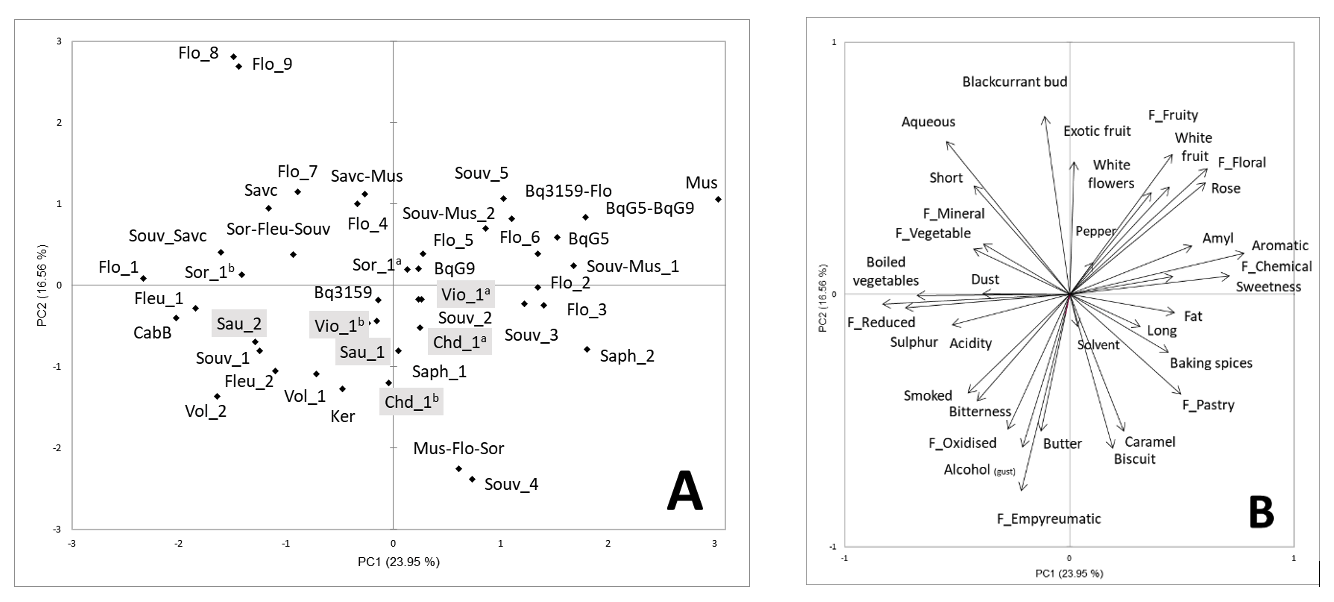
Figure 1. Multiple Factor Analysis (MFA) of white wines.
The impact of climate was particularly noticeable for ‘Floreal’, with Flo_7, Flo_8, and Flo_9 exhibiting similar sensory profiles due to being produced under the Southwest basin climate, as reflected by their close proximity in the MFA. Compared with the warmer Mediterranean climate, which accounted for the majority of the samples (34 out of 43 wines), wines produced under the cooler conditions of the Southwest basin were perceived as more aqueous by the panel. This effect may be due to familiarity, as participants recruited in Montpellier were probably more accustomed to the fuller-bodied wines typically produced locally in the Mediterranean region. The climate effect was less pronounced for Souv_5, which was produced in the Southwest basin and exhibited similar characteristics to Souv_2, Souv_3, and the Souv-Mus_1 and Souv-Mus_2 blend, all of which were produced under warmer Mediterranean conditions. The close proximity of Flo_2, Flo_3, and Flo_6, all of which were produced under the Mediterranean climate from different vintages, shows that the season had a more limited impact on sensory profiles than the varietal effect.
The sensory profiles of the eight blended wines revealed the distinct influence of their parent varietals. Blend Bq3159_Flo has a profile that is closely aligned with pure ‘Floreal’ wines of the Mediterranean type. Blends incorporating Muscat-scented varieties, such as G5 and ‘Muscaris’, are characterised by prominent Muscat notes (floral, rose, and white fruit), but these notes are less intense than in pure wines. Conversely, the ‘Sauvignac’ – ‘Muscaris’ blend is more strongly characterised by the ‘Sauvignac’ profile. Similarly, other blends containing ‘Sauvignac’ resemble pure wines made from this grape variety more closely. In contrast, ‘Souvignier gris’ appears to contribute no distinct sensory characteristics when used in blends, with wines containing this variety tending to align more closely with the aromatic and structural profiles of the other associated grape varieties.
For wines made from Vitis vinifera varieties, the central position of the sample on the MFA and the limited distance between samples of the same variety suggest less distinctive and pronounced profiles and lower diversity. However, this observation is based on a small sample size, and more wines are needed to draw firm conclusions. The samples analysed primarily serve as reference standards and may not fully represent the broader diversity of commercial wines currently available. As expected, the Chd_1 and Chd_2 samples were described as buttery, a term frequently used to characterise ‘Chardonnay’ wines (Bartowsky & Henschke, 2004). Surprisingly, ‘Sauvignon’ wines (i.e., Sau_1 and Sau_2) did not exhibit intense fruity or exotic fruit notes or aromatic character, despite this variety’s potential to produce wines with high levels of varietal thiols. This may be due to the warm and dry climatic conditions experienced in their region of production (Mediterranean climate), which did not favour the biosynthesis of thiol precursors (Roland et al., 2011). Similarly, ‘Viognier’ wines, namely Vio_1 and Vio_2, were not perceived by the panel as having an intense white fruit aroma. This attribute, together with stone fruit, is often used to describe these wines, and its intensity is related to the concentrations of linalool, geraniol and nerol (Siebert et al., 2018). Nevertheless, a more detailed study of the aroma composition of the wines in question would be valuable to build on the present work.
Overall, the lack of clear clustering between Vitis vinifera and FRG across the extensive wine sample examined in our study does not corroborate the hypothesis of FRG distinctiveness. This finding is consistent with previous research (Duley et al., 2025a).
3. Red wines analysis
For the red wines’ MFA (Figure 2), the PC1 and PC2 axes accounted for 36.62 % of the total variance.
Score plot (A) showing the positioning of individual wine samples and loadings plot (B) showing sensory descriptors. The analysis was based on significant CATA attributes from two consecutive vintages (Year 1: n = 19 panellists; Year 2: n = 17 panellists). Samples made from Vitis vinifera grapes are highlighted in grey. The acronyms are explained in Table 2.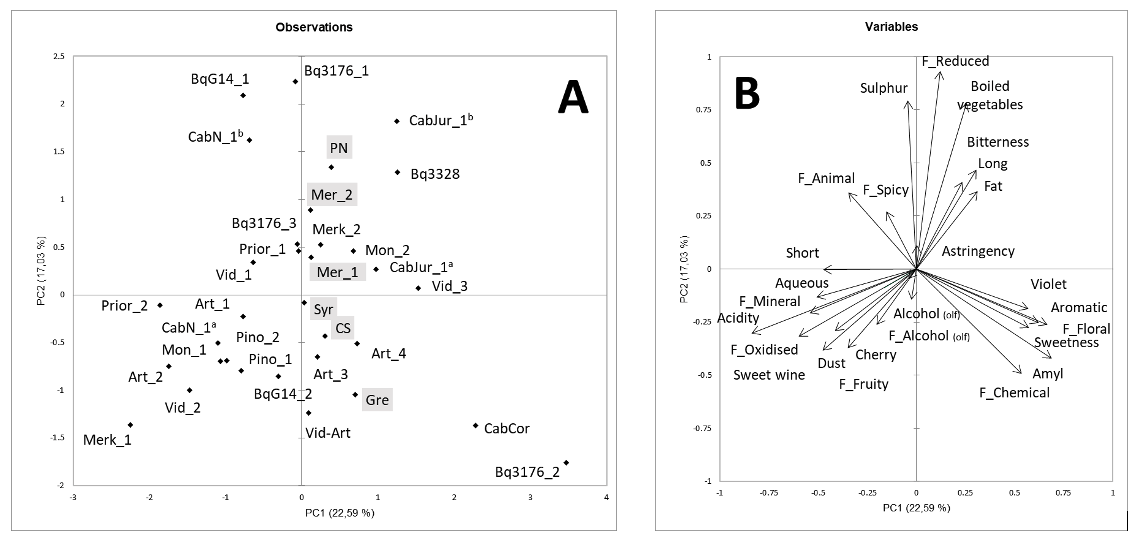
Figure 2. Multiple Factor Analysis (MFA) of red wines.
Axis 1 clearly distinguishes between wines characterised by acidity and aqueous attributes and those defined by sweetness and aromatic descriptors (amyl, aromatic, floral, violet). In contrast, axis 2 is primarily explained by descriptors from chemical families (chemical, amyl), and reduced attributes (reduced, sulphur, boiled vegetable), which further refine the differentiation of the wines’ sensory profiles. This axis highlights the influence of chemical nuances and reduction-related characteristics in defining the complexity of red wines, a factor that can be attributed to either the grape variety or the winemaking process.
Similar to the observations made for the white wines, the FRG red wines showed considerable variability in their sensory profiles, with some exhibiting spicy (e.g., Vid_1), fruity, oxidised and acid (e.g., Merlk1, Vid_22, Art_2), reduced and bitter (e.g., Bq3176_1, CabJur_2, Bd3328), or amyl, aromatic and floral (e.g., CabCor, Bq3176_2) characteristics.
Within the FRG varieties represented by the largest number of replicates, ‘Artaban’ and ‘Vidoc’ are of particular interest. ‘Vidoc’ samples showed clear differences in sensory expression, as indicated by their scattered positions on the MFA plot. Specifically, Vid_1 is perceived as having a higher alcohol intensity than the other samples. However, it should be noted that the alcohol percentage does not differ between Vid_1 and Vid_3 (both 14.22 %). Vid_2 is characterised by higher acidity and lower sweetness, consistent with the analytical data, particularly the pH levels and total acidity measurements for this wine. Additionally, Vid_2 is less spicy. In contrast, Vid_3 differs in its aromatic profile, which is described as more amyl. In contrast, the ‘Artaban’ wines were more homogeneous despite originating from different vintages and climatic conditions. The latter wines were generally described as fruity and tended to show lower viscosity and persistence, which is consistent with their negative association with fat and long attributes. The oenological parameters of the ‘Artaban’ wines are relatively uniform (Table S2). However, the Art_2 sample showed slight variations, most notably in its acidic profile (pH and total acidity), indicating a marginal differentiation.
A comparable degree of homogeneity was also observed for ‘Pinotin’. Conversely, some FRG red wines exhibited greater variability than ‘Vidoc’, particularly the Bouquet varieties (e.g., Bq3176_1, Bq3176_2, BqG14_1, and BqG14_2). As these wines were produced under experimental conditions, it is possible that the vintage effect had a greater influence on the results than the varietal characteristics themselves.
Regarding red wines made from Vitis vinifera, all samples were distributed along PC2 and exhibited greater variability in sensory profiles compared to the white wines. This can be attributed to the greater diversity of grape varieties used, including those traditionally planted in Bordeaux (‘Merlot’ and ‘Cabernet-Sauvignon’), the Mediterranean (‘Grenache’ and ‘Syrah’), and Burgundy (‘Pinot noir’). As previously noted, this principal component primarily captures differences in olfactory characteristics rather than taste or mouthfeel perception. Notably, the ‘Syrah’ sample (Syr) did not exhibit the highest intensity of sulphur or reduced aromas despite this variety’s known tendency to develop such notes (Geffroy et al., 2020). Similarly, ‘Pinot noir’ wines exhibited only weak cherry notes, despite this being a descriptor frequently used to describe wines made from this variety (Aubry et al., 1999).
‘Cabernet Volos’, ‘Cabernet noir’, ‘Cabernet Jura’, and ‘Merlot Khorus’ exhibited sensory profiles that were notably different to those of ‘Cabernet-Sauvignon’ and ‘Merlot’, respectively (Figure 2). The breeders named these FRG to indicate their Vitis vinifera parentage. However, our results suggest that there is no sensory resemblance between wines made from the parental varieties and their FRG derivatives, which could potentially mislead consumers. This issue requires the attention of regulatory authorities, particularly given the ongoing discussions at the OIV concerning varietal nomenclature (Resolution OIV‑VITI 609‑2019). According to the current protocol for naming a new variety, proposed names must avoid the use of names that may lead to possible confusion with the names of other existing varieties, particularly those that are already commercially established. Nevertheless, these findings should be interpreted with relative caution, given that our experimental design included only one wine produced from each of ‘Merlot’ and ‘Cabernet-Sauvignon’.
4. Discussion
Despite the absence of a year effect in the analysis and the robust performance of our panel, it should be noted that the MFA representation of the wines (Figures 1 and 2) explains a maximum of 40 % of the total variability in the data for both colour categories. This relatively low percentage is due to the large number of variables included in the model (35 for white wines and 26 for red wines). As only statistically significant descriptors were selected for these analyses, these results highlight a high degree of sensory variability in the perception of the wines studied.
Statistically significant correlations were observed between sensory attributes and oenological parameters for both white and red wines. Specifically, the perception of alcohol was positively correlated with its actual content (r = 0.62 and r = 0.54), while perceived acidity showed significant correlations with measured pH levels (r = –0.64 and r = –0.62) and total acidity (r = 0.79 and r = 0.42). These alignments between chemical analyses and sensory data demonstrate the trained panel’s ability to evaluate these wine attributes accurately.
The study reveals distinct sensory dynamics between white and red fungus-resistant grape (FRG) wines. White FRG wines exhibited high variability, which was significantly driven by vintage and climate. Certain varieties, such as ‘Floreal’, showed a wide range of profiles, from boiled vegetables to fruity notes, depending on their origin. In contrast, red FRG wines, such as ‘Artaban’, displayed more consistent sensory patterns, regardless of production context. Furthermore, the sensory panel identified a higher number of significant olfactory descriptors for white wines (11) than for red wines (6), which is likely due to the larger sample size and the greater aromatic diversity found among white varieties.
Furthermore, analyses of white and red wines revealed no significant overall sensory differences between new and traditional grape varieties. This finding is consistent with recent research (Duley et al., 2025b). This suggests that the aromatic and gustatory potential of the new varieties is comparable to that of traditional varieties and is mainly influenced by factors such as grape ripeness, winemaking practices, soil and climate conditions rather than genetic origin alone.
As a complementary study, it would be interesting to investigate the differences between FRG and Vitis vinifera wines, with respect to their content of key grape-derived aroma compounds such as terpenes (monoterpenols and rotundone), C13-norisoprenoids, varietal thiols, and alkylmethoxypyrazines (Robinson et al., 2014). Similarly, it would be valuable to evaluate the appreciation of the large set of wines studied by both experts and consumers (Borello et al., 2024), either with or without disclosing information about the fungus-resistant characteristics, in line with the approach adopted by Dolet et al. (2026).
Although this study involved a large sample of wines and constitutes, to our knowledge, the largest-scale research project on FRG sensory profiles to date, it is important to note that such profiling is still in its early years in France. There are currently limited quantities of FRG wines on the market as the cultivation of these varieties has only recently resumed (Dolet et al., 2024). These authors have demonstrated that Occitanie (in the south of France) leads the way in France in terms of areas planted with FRGs. For representativeness and logistical reasons, the majority of the wines tested in this study were sampled in this region. However, it would be interesting to extend this sensory characterisation to FRG wines from other French regions. Furthermore, including a broader range of vintages would account for interannual climate variability. The present study focused primarily on the 2022 and 2023 vintages for white wines and the 2021, 2022, and 2023 vintages for reds. Analysing additional years would provide a more comprehensive and diverse overview of the sensory potential of these cultivars.
Conclusion
To our knowledge, this is the first study of its kind to characterise the sensory profiles of a large set of FRG wines produced in southern France using a robust CATA approach.
A wide diversity of sensory profiles was observed, comparable to those of traditional Vitis vinifera wines. This is because both types of wine can produce a wide range of sensory profiles depending on terroir effects (van Leeuwen et al., 2020; Duley et al., 2025a).
White FRG wines exhibited high variability, influenced by climate and vintage conditions, whereas some red wines showed more consistent patterns across sites and seasons, such as ‘Artaban’.
These findings offer valuable insights to the wine industry, indicating that growers can cultivate FRG varieties without worrying about producing wines with overly atypical characteristics. Integrating FRG varieties into production through blending should enable the industry to maintain high sensory standards and product quality while reducing chemical inputs.
Future work should complement these findings by conducting detailed analyses of key aroma compounds, as well as hedonic evaluations with both experts and consumers, performed with and without disclosure of the wines’ fungus-resistant characteristics. Extending the study to FRG wines produced in other French vineyards will also be important to understand consumer acceptance of these wines better.
Acknowledgements
The authors would like to thank the Occitanie Region for funding the Ressenti project through the Défi Clé Vinid’Occ, notably covering half of the doctoral thesis grants for Caroline Paire and Marc-Antoine Dolet. They would also like to acknowledge Vignobles Foncalieu and Grands Chais de France for their additional funding, and Eric Serrano, IFV, for providing experimental wines made from fungus-resistant varieties for use in the project. They are also grateful to the panellists who participated in the study.
References
- Adams, J., Williams, A., Lancaster, B. & Foley, M. (2007). Advantages and uses of check-all-that-apply response compared to traditional scaling of attributes for salty snacks. In: 7th Pangborn Sensory Science Symposium. Pp. 12–418. August 16th 2007, Minneapolis, MN, USA
- Aubry, V., Schlich, P., Issanchou, S., & Etiévant, P. (1999). Comparison of wine discrimination with orthonasal and retronasal profilings. Application to Burgundy Pinot Noir wines. Food Quality and Preference, 10(4-5), 253-259. https://doi.org/10.1016/S0950-3293(99)00021-X
- Bartowsky, E. J., & Henschke, P. A. (2004). The ‘buttery’attribute of wine—diacetyl—desirability, spoilage and beyond. International journal of food microbiology, 96(3), 235-252. https://doi.org/10.1016/j.ijfoodmicro.2004.05.013
- Blackford, M., Guggenbühl-Gasser, B., Inderbitzin, J., Wiederkehr, M., Fuchsmann, P., Bieri, S., & Mackie-Haas, K. (2025). Consumer preferences in wine: traditional vs fungus-resistant varieties in Switzerland. OENO One, 59(3). https://doi.org/10.20870/oeno-one.2025.59.3.9239
- Borrello, M., Vecchio, R., Barisan L., Franceschi, D., Pomarici, E., Galletto, L. (2024). Is wine perception influenced by sustainability information? Insights from a consumer experiment with fungus resistant grape and organic wines. FOOD RESEARCH INTERNATIONAL, Volume 190, https://doi.org/10.1016/j.foodres.2024.114580
- Campo, E., Do, B. V., Ferreira, V., & Valentin, D. (2008). Aroma properties of young Spanish monovarietal white wines: A study using sorting task, list of terms and frequency of citation. Australian Journal of Grape and Wine Research, 14(2), 104–115. https://doi.org/10.1111/j.1755-0238.2008.00010.x
- Dolet, M. A., Maza, E., Geffroy, O., Le Fur, Y., Paire, C., Cheriet, F., … Chervin, C. (2026). Receptiveness of the wine industry to fungus-resistant grape varieties in the south of France. OENO one, 60(1). https://doi.org/10.20870/oeno-one.2026.60.1.9456
- Dolet, M. A., Paire, C., Cheriet, F., Geffroy, O., Le Fur, Y., Hannin, H., ... & Chervin, C. (2024). Resumption of the planting of grapevine varieties in France, referred to as "disease-resistant". IVES Technical Reviews, vine and wine. https://doi.org/10.20870/IVES-TR.2024.8261
- Dong, Y., Duan, S., Xia, Q., Liang, Z., Dong, X., Margaryan, K., ... & Chen, W. (2023). Dual domestications and origin of traits in grapevine evolution. Science, 379(6635), 892-901. https://doi.org/10.1126/science.add8655
- Duley, G., Ceci, A. T., Longo, E., Darnal, A., & Boselli, E. (2025a). Are white wines from disease-resistant hybrid grapes comparable to Vitis vinifera? A chemical and sensory analysis from South Tyrol. OENO One, 59(2). https://doi.org/10.20870/oeno-one.2025.59.2.9203
- Duley, G., Ceci, A.T., Longo, E., Darnal, A., Martín-García, B., Boselli, E. (2025b). Chemical and sensory properties of South Tyrol red wines from disease-resistant and Vitis vinifera cultivars. npj Science of Food 9, 69. https://doi.org/10.1038/s41538-025-00412-z
- Garcia, L., Perrin, C., Nolleau, N., Godet, T., Farines, V., Garcia, F., Caillé, S., & Saucier, C. (2022). Impact of Acetaldehyde Addition on the Sensory Perception of Syrah Red Wines. Foods, 11, 1963. https://doi.org/10.3390/foods11121693
- Geffroy, O., Morère, M., Lopez, R., Pasquier, G., & Condoret, J. S. (2020). Investigating the aroma of Syrah wines from the Northern Rhone Valley using supercritical CO2-dearomatized wine as a matrix for reconstitution studies. Journal of Agricultural and Food Chemistry, 68(41), 11512-11523. https://doi.org/10.1021/acs.jafc.0c04328
- Homich, L. J., Elias, R. J., Heuvel, J. E. V., & Centinari, M. (2017). Impact of fruit-zone leaf removal on rotundone concentration in Noiret. American Journal of Enology and Viticulture, 68(4), 447-457. https://doi.org/10.5344/ajev.2017.16106
- International Organization for Standardization. (1994). Sensory analysis — General guidance for the selection, training and monitoring of assessors — Part 2: Experts (ISO Standard No. 8586-2:1994).
- Joly, D., Brossard, T., Cardot, H., Cavailhes, J., Hilal, M., Wavresky, P. (2010). Les types de climats en France, une construction spatiale. Cybergeo: European Journal of Geography. 501. https://doi.org/10.4000/cybergeo.23155
- Koenig, L., Symoneaux, R., Pouzalgues, N., Cariou, V., Vigneau, E., & Coulon-Leroy, C. (2023). Development of a Hierarchical Rate-All-That-Apply (HRATA) methodology for the aromatic characterisation of wine. Oeno One, 57, 175-190. https://doi.org/10.20870/oeno-one.2023.57.1.5531
- Macfie, H. J., Bratchell, Nicholas., Greenhoff, Keith., & Vallis, L. V. (1989). Designs to balance the effect of order of presentation and first-order carry-over effects in hall tests. Journal of Sensory Studies, 4(2), 129–148. https://doi.org/10.1111/j.1745-459X.1989.tb00463.x
- Meyners, M., Castura, J. C., & Carr, B. T. (2013). Existing and new approaches for the analysis of CATA data. Food Quality and Preference, 30(2), 309–319. https://doi.org/10.1016/j.foodqual.2013.06.010
- Paire, C., Cheriet, F., Samson, A., Chervin, C., Arino, A., Ruetsch, G., ... & Geffroy, O. (2025a). A novel application of the consumer rejection threshold method to the design of binary red wine blends prepared from traditional and fungus-resistant varieties. OENO One, 59(2), 8484. https://doi.org/10.20870/oeno-one.2025.59.2.8484
- Paire, C., Dolet, M. A., Hannin, H., Samsom, A., Olivier, V., Chervin, C., ... & Cheriet, F. (2024). History of breeding programmes for fungus resistant grape varieties in Europe, France and the Occitanie region. IVES Technical Reviews, vine and wine. https://doi.org/10.20870/IVES-TR.2024.8262
- Paire, C., Schalk, M., Geffroy, O., & Cheriet, F. (2025b). Proclamer ou taire la résistance des variétés de vigne dites “résistantes” aux maladies : une étude exploratoire sur le contenu informationnel des étiquettes de vins. In 19ᵉ Journée du Marketing Agroalimentaire (JMAM), Montpellier, France
- Parr, W. V., Maltman, A. J., Easton, S., & Ballester, J. (2018). Minerality in wine: Towards the reality behind the myths. Beverages, 4(4), 77. https://doi.org/10.3390/beverages4040077
- Pedneault, K., Dorais, M., Angers, P. (2013). Flavor of Cold-Hardy Grapes: Impact of Berry Maturity and Environmental Conditions. J. Agric. Food Chem. 61, 10418–10438. https://doi.org/10.1021/jf402473u
- Reynier, A. (2011). Manuel de viticulture: guide technique du viticulteur. Lavoisier
- Robinson, A. L., Boss, P. K., Solomon, P. S., Trengove, R. D., Heymann, H., & Ebeler, S. E. (2014). Origins of grape and wine aroma. Part 1. Chemical components and viticultural impacts. American journal of enology and viticulture, 65(1), 1-24. https://doi.org/10.5344/ajev.2013.12070
- Roland, A., Schneider, R., Razungles, A., & Cavelier, F. (2011). Varietal thiols in wine: discovery, analysis and applications. Chemical reviews, 111(11), 7355-7376. https://doi.org/10.1021/cr100205b
- Schneider, C., Onimus, C., Prado, E., Dumas, V., Wiedemann-Merdinoglu, S., Dorne, M. A., Lacombe, M. C., Piron, M. C., Umar-Faruk, A., Duchêne, E., Mestre, P., & Merdinoglu, D. (2019). INRA-ResDur: The French grapevine breeding programme for durable resistance to downy and powdery mildew. Acta Horticulturae, 1248, 207–214 https://doi.org/10.17660/ActaHortic.2019.1248.30
- Seinforin, B., Caillé, S., Nikolantonaki, M., Saucier, C. (2023). Evidence for Discriminant Specific Tastes in ChardonnayWines Among Other White Wines. Foods 2025, 14, 2870. https://doi.org/10.3390/foods14162870
- Siebert, T. E., Barker, A., Pearson, W., Barter, S. R., de Barros Lopes, M. A., Darriet, P., ... & Francis, I. L. (2018). Volatile compounds related to ‘stone fruit’aroma attributes in Viognier and Chardonnay wines. Journal of Agricultural and Food Chemistry, 66(11), 2838-2850. https://doi.org/10.1021/acs.jafc.7b05343
- Slegers, A., Angers, P., Ouellet, É., Truchon, T., & Pedneault, K. (2015). Volatile compounds from grape skin, juice and wine from five interspecific hybrid grape cultivars grown in Québec (Canada) for wine production. Molecules, 20(6), 10980-11016. https://doi.org/10.3390/molecules200610980
- Sun, Q. (2011). Chemosensory And Viticultural Studies Of Hybrid And Non-Vinifera Grape Species And Resulting Wines. Dissertation
- This, P., Lacombe, T., & Marchal, C. (2024). Grapevine Domestication and Selection. Genetics of Domestications, 185. https://doi.org/10.1002/9781394332519.ch11
- Töpfer, R., Hausmann, L., Harst, M., Maul, E., Zyprian, E., & Eibach, R. (2011). New horizons for grapevine breeding. Fruit, Vegetable and Cereal Science and Biotechnology, 5(1), 79-100
- Torregrosa, L., Lacombe, T., & Ojeda, H. (2024). Vignes tolérantes aux maladies fongiques : des variétés à fruits pour une viticulture en transition agroécologique (1st ed.). Editions France Agricole
- Valentin, D., Chollet, S., Lelièvre, M., & Abdi, H. (2012). Quick and dirty but still pretty good: A review of new descriptive methods in food science. International Journal of Food Science & Technology, 47(8), 1563-1578. https://doi.org/10.1111/j.1365-2621.2012.03022.x
- van Leeuwen, C., Barbe, J. C., Darriet, P., Geffroy, O., Gomès, E., Guillaumie, S., ... & Thibon, C. (2020). Recent advancements in understanding the terroir effect on aromas in grapes and wines. Oeno One, 54(4), 985-1006. https://doi.org/10.20870/oeno-one.2020.54.4.3983
- Yobrégat, O. (2018). Introduction to resistant vine types: a brief history and overview of the situation. Oeno One, 52(3), 241-246. https://doi.org/10.20870/oeno-one.2018.52.3.2220
 Views: 677
 XML: 36