

VITICULTURE / Review article
Abstract
Rachis browning is a critical postharvest disorder that adversely affects the visual quality, marketability, and shelf life of table grapes. This phenomenon arises from complex biochemical and physiological processes, including oxidative stress, enzymatic oxidation, cellular degradation, and microbial infection, which collectively result in tissue discolouration and loss of freshness. Conventional control methods such as sulfur dioxide fumigation, controlled atmosphere storage, and modified atmosphere packaging have been widely adopted. Moreover, recent advances in postharvest technologies, including nanotechnology, cold plasma treatment, UV-C irradiation, ultrasound, and the application of natural plant-derived compounds, have demonstrated promising potential for sustainable browning management. This review synthesises current knowledge on the causes and mechanisms of rachis browning, critically evaluates existing and emerging mitigation strategies, and highlights research gaps and future directions. Integrating innovative, eco-friendly technologies offers a pathway toward enhancing grape postharvest quality and sustainability within the global fruit supply chain.
Introduction
The condition of the rachis critically influences the deterioration of table grapes during postharvest storage, with the green stem structure supporting the berries. Berries are categorised as non-climacteric fruits, exhibiting a minor transient elevation of ethylene during the veraison stage, and they demonstrate a relatively low respiration rate in the postharvest phase (Chervin et al., 2004). However, the rachis exhibits a respiration rate significantly higher (between 11 and 28 times) than that of the berries, due to its herbaceous and poorly protected tissue, which predisposes it to rapid dehydration (Li et al., 2015). In contrast, grape berries possess a waxy cuticle that provides resistance to moisture loss. After harvest, the rachis becomes susceptible to oxidative processes and enzymatic browning, primarily driven by polyphenol oxidase activity, water loss, and tissue senescence. Physical injuries, microbial infections, chlorophyll degradation, and ethylene-induced physiological changes also contribute to the browning process (Bahar et al., 2017; Hamie et al., 2022). Although cold storage at around 0 °C and high relative humidity (90–95 %) can extend grape shelf life up to 100 days, this method is not fully effective against fungal infections such as Botrytis cinerea and does not entirely prevent rachis browning. Moreover, while fungal decay has been extensively studied, less scientific attention has been directed toward rachis browning despite its considerable impact on grape quality (Rosales et al., 2013). Rachis browning, despite involving a small fraction of the cluster’s total weight, significantly influences consumer perception (Khandani et al., 2026). A green rachis is often equated with freshness, whereas a browned stem suggests poor quality, affecting purchasing decisions and contributing to food waste in developed economies.
The visual and structural condition of the rachis is critical for maintaining grape quality and marketability. As global consumption of table grapes has surged, accounting for approximately 36 % of total grape production, with major markets including China, India, and the European Union, the economic stakes associated with postharvest grape quality have risen sharply. Leading exporters such as Peru, Chile, the Netherlands, Italy, the United States, South Africa, and China, as well as emerging economies, rely heavily on maintaining premium fruit quality for international trade (García Juárez et al., 2025). The rachis serves both functional and aesthetic roles: it supports nutrient and water transport during berry development and offers a visible indicator of freshness after harvest. A vibrant green rachis correlates strongly with higher consumer acceptance, while brown or brittle rachises are linked to diminished visual appeal, faster berry detachment, and increased spoilage risks. The rachis’s integrity also impacts berry dehydration rates, microbial vulnerability, and overall cluster durability during handling and transportation (Guzmán et al., 2021; Romero et al., 2022). Consequently, optimising rachis preservation is crucial not only for extending shelf life but also for securing financial returns in the competitive global market. Addressing rachis browning involves strategies ranging from pre-harvest management, such as optimised irrigation and plant growth regulator applications, to advanced postharvest treatments like modified atmosphere packaging (MAP). Comprehensive understanding and targeted intervention strategies are essential for minimising quality loss and meeting stringent export standards.
Impacts of rachis browning on grape quality
1. Effect on visual appeal
Visual appeal is one of the most important quality characteristics for table grapes, as the external appearance of the product predominantly influences consumer purchasing decisions. Among the various visual attributes, rachis colour serves as a key indicator of freshness and overall quality (Figure 1). A green, fresh rachis is often associated with recently harvested, flavourful grapes, while browning or discolouration is commonly perceived as a sign of ageing, poor storage conditions, or inadequate handling. Even when the berries themselves remain firm, sweet, and palatable, the presence of rachis browning can significantly diminish consumer acceptance, lower perceived quality, and lead to product rejection or price reductions (Ayyub et al., 2024; Hamie et al., 2022). The aesthetic impact of rachis browning is particularly significant in premium grape varieties marketed primarily for the fresh market. Discolouration disrupts the visual uniformity and vibrancy of the cluster, reducing its market appeal and overall impression of freshness. In retail environments where grapes are displayed under bright lighting, rachis browning becomes even more conspicuous, intensifying negative consumer perceptions (Li et al., 2015; Lichter, 2016). As a result, grapes exhibiting visible rachis browning are often discounted, relegated to secondary markets, or discarded entirely, leading to substantial economic losses across the supply chain. With the global expansion of year-round availability of fresh produce, consumer expectations for visually pristine products have become increasingly stringent. Retailers, in turn, have adopted rigorous quality control measures emphasising visual standards. Consequently, maintaining rachis freshness has emerged as a critical factor in postharvest handling, storage, and marketing strategies. Ensuring the visual integrity of grape clusters not only enhances consumer confidence and purchasing behaviour but also safeguards profitability within competitive, high-value produce markets (Wang et al., 2023).
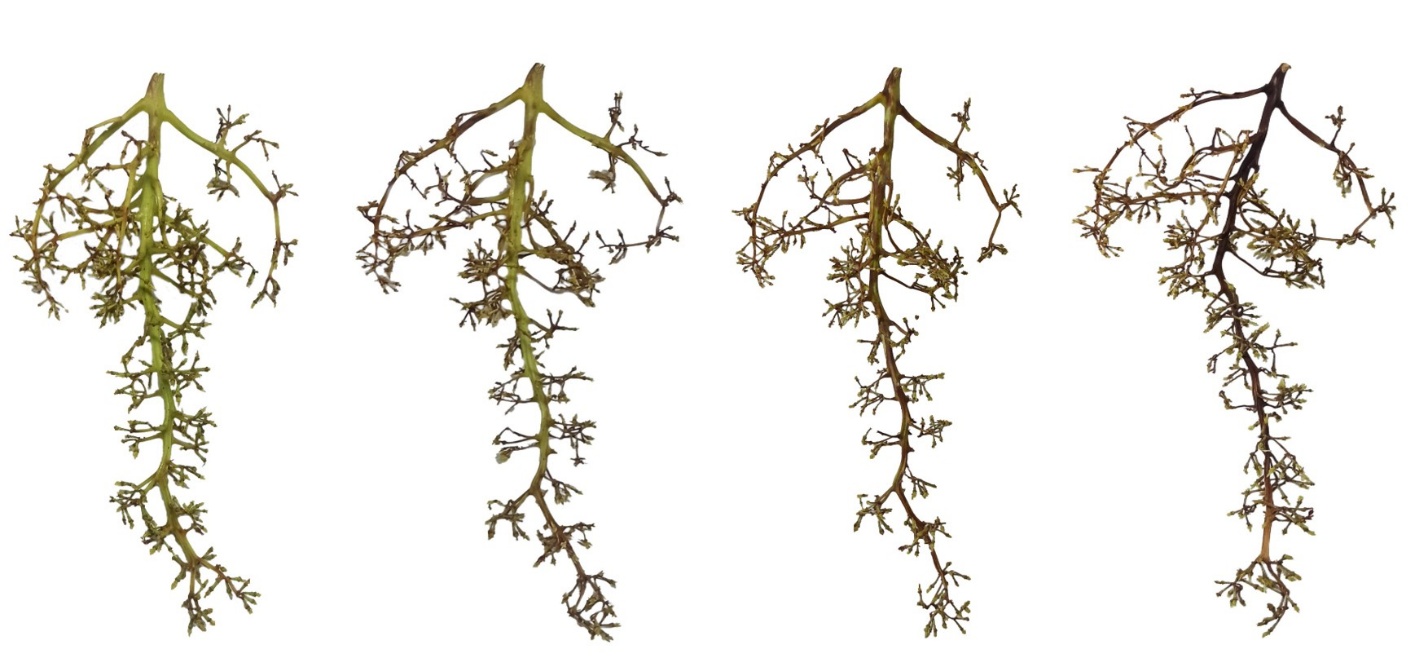
Figure 1. Progressive rachis browning in Vitis vinifera cv. ‘Sultana’. The figure shows increasing severity of browning and necrosis from left to right, indicating deterioration of rachis tissue.
2. Relationship with shelf life and overall fruit quality
Primary research shows that rachis browning correlates with multiple physiological changes that undermine shelf life and overall fruit quality. For example, Wang et al. (2019) reported that rachis browning significantly reduced total soluble solids and titratable acidity and enhanced berry abscission rate during prolonged cold storage, suggesting that limiting rachis browning is integrally linked with retention of key quality attributes that define shelf life performance. Rachis degradation may also predispose clusters to other quality losses, such as increased berry shattering and susceptibility to mechanical damage. Studies indicate that rachis integrity plays a role in controlling berry drop during handling and storage; clusters with advanced rachis browning often show a higher incidence of berry detachment, which not only reduces commercial yield but also accelerates quality loss through increased exposure to pathogens and dehydration (Zhu et al., 2022). Similarly, Li et al. (2023) indicated that visual browning increased after 6 d storage at 20 °C and 85–90 % relative humidity and was also associated with altered phenolic metabolism and reduced accumulation of protective flavonols in the rachis, which supports maintenance of chlorophyll and tissue integrity during shelf life. Furthermore, rachis browning reduced oxidative stress markers in rachis tissue, which corresponded to higher browning and may indirectly support reduced shelf life by extending senescence-associated degradation (Ayyub et al., 2024).
Physiology and causes of rachis browning
1. Biochemical and physiological processes involved
Rachis browning is primarily driven by senescence, a cascade of cellular and molecular events triggered immediately after grape detachment from the vine (Figure 2). Water loss and oxidative stress are key initiators, causing turgor loss, tissue dehydration, and collapse (Wu et al., 2021). The rachis, vulnerable due to its herbaceous nature, dehydrates faster under low humidity or improper storage, promoting enzymatic activity that accelerates browning. Oxidative stress, caused by reactive oxygen species (ROS), further damages cellular components and speeds up senescence.
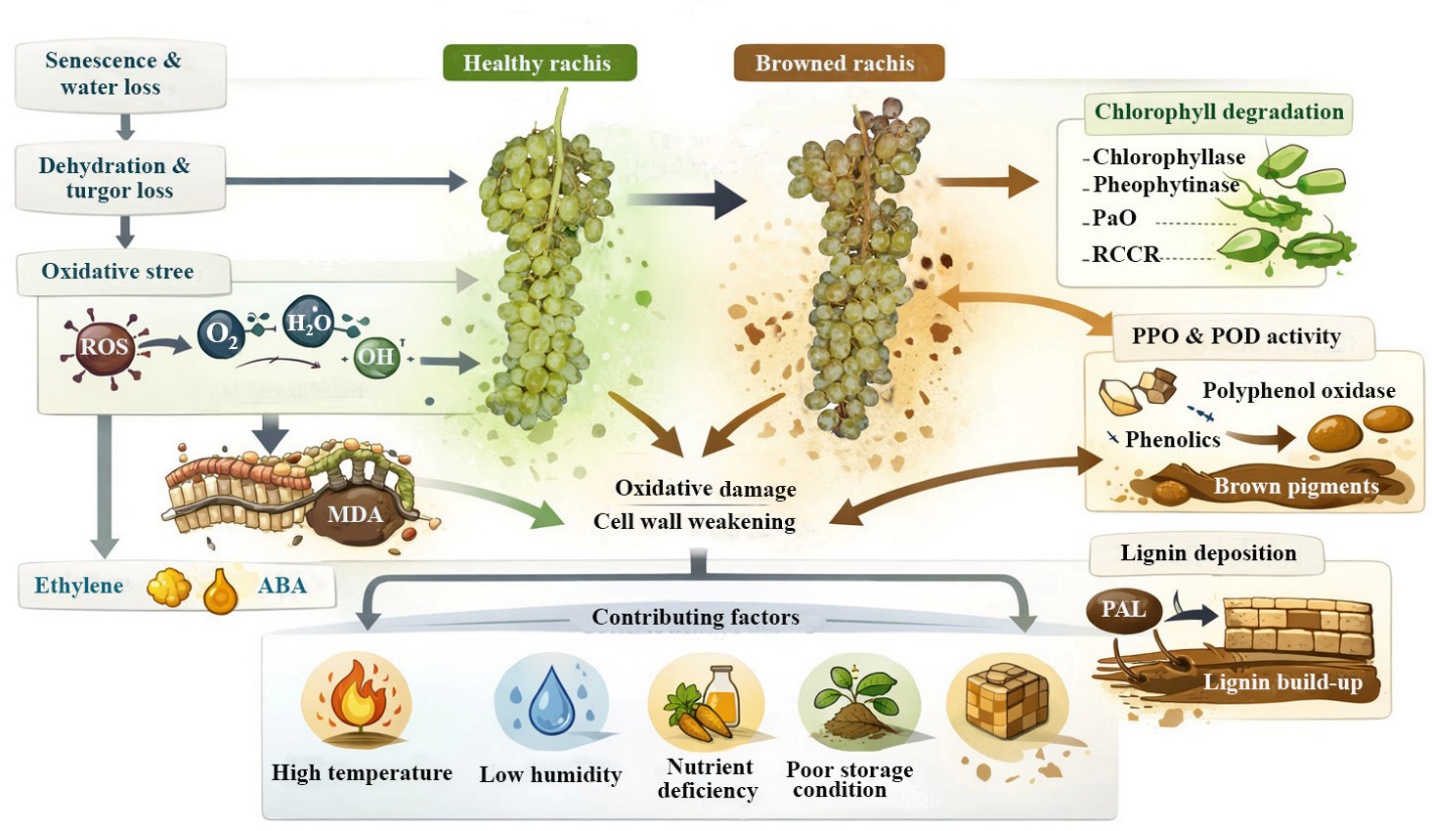
Figure 2. Physiology and causes of rachis browning. Rachis browning is primarily associated with senescence, water loss, chlorophyll degradation, hormone synthesis and functionality, oxidative stress, and enzymatic activities (PPO and POD). PaO: Pheophorbide a oxygenase, RCCR: Red chlorophyll catabolite reductase.
Chlorophyll degradation is another central factor, regulated by enzymatic processes involving chlorophyllase, pheophytinase, pheophorbide a oxygenase, and red chlorophyll catabolite reductase (Figure 2). Stress-induced breakdown of chlorophyll exposes underlying pigments and oxidised phenolics, leading to visible browning (Li et al., 2025; Zou et al., 2023). Although grapes are non-climacteric, the rachis shows relatively higher ethylene production than berries. Ethylene accelerates senescence, chlorophyll loss, and tissue deterioration. Treatments with 1-methylcyclopropene (1-MCP), an ethylene inhibitor, have been shown to delay rachis browning, confirming ethylene’s involvement (Ye et al., 2017).
Furthermore, other plant growth regulators such as abscisic acid (ABA) also contribute by promoting ROS accumulation, enhancing oxidative stress, and weakening cell walls, exacerbating browning (Figure 2). Conversely, auxin (IAA), gibberellins (GAs), and cytokinins (CKs) delay senescence by maintaining chlorophyll content, promoting vascular health, and enhancing antioxidative defences (Li et al., 2025; Lichter, 2016). Research has shown that hormonal imbalance is one of the main causes of rachis browning (Khandani et al., 2026). Thus, hormonal balance critically influences rachis physiology postharvest.
2. Role of oxidative stress and enzymatic activities
Biochemically, rachis browning is largely mediated by oxidative enzymes such as polyphenol oxidase (PPO) and peroxidase (POD) (Figure 2). PPO catalyses phenolic oxidation into quinones, which polymerise into brown pigments upon tissue injury or dehydration (Ghorbani et al., 2025). Similarly, POD accelerates brown pigment formation by oxidising phenolics during stress responses. Increased PPO and POD activities are strongly associated with storage-related browning. For instance, CA storage with low oxygen reduces PPO activity and browning severity. Peroxidase-mediated lignin deposition, while strengthening tissues, visually darkens the rachis and reduces flexibility, further compromising postharvest quality (Nath et al., 2022).
Lignin deposition in plant tissues is a defence response to both biotic and abiotic stresses. The biosynthesis of lignin involves the enzymatic action of phenylalanine ammonia-lyase (PAL) and other downstream enzymes that convert phenylalanine into monolignols, the building blocks of lignin. Although lignin strengthens cell walls, its accumulation in the rachis can lead to visual browning and loss of flexibility. Moreover, PAL plays a regulatory role in the phenylpropanoid pathway, leading to the synthesis of phenolic compounds, which serve as substrates for oxidative enzymes such as PPO and POD (Zeng et al., 2025).
Moreover, oxidative stress during postharvest storage induces lipid peroxidation, where ROS attack unsaturated fatty acids in cell membranes. ROS, including superoxide anions (O2–), H2O2, and hydroxyl radicals (•OH), are highly reactive molecules that can damage cellular components such as lipids, proteins, and nucleic acids (Kakaei et al., 2024; Wang et al., 2019). This process leads to the generation of malondialdehyde (MDA), a marker of oxidative damage, and causes membrane destabilisation, exacerbating browning. ROS not only cause direct cellular damage but also activate enzymes such as PPO, POD, and PAL, thereby intensifying the browning process. Simultaneously, enzymatic oxidation generates additional ROS, perpetuating oxidative stress, which triggers senescence pathways, accelerating tissue degradation and predisposing the rachis to browning (Romero et al., 2020).
3. Environmental and postharvest factors contributing to browning
Pre-harvest environmental conditions strongly influence rachis browning susceptibility. High growing-season temperatures induce oxidative stress and activate browning-related enzymes. Water stress compromises vascular function, promotes phenolic metabolism, and predisposes tissues to browning (Chacón-Vozmediano et al., 2021; Kaur et al., 2019).
Nutrient availability, especially nitrogen, potassium, and calcium, is critical for maintaining tissue integrity. Deficiencies or imbalances in these nutrients can weaken cells, increase susceptibility to mechanical damage, and promote enzymatic browning during postharvest storage. Moreover, fungal infections, such as B. cinerea, and other pests can compromise the integrity of grapevine tissues, facilitating oxidative damage and enzymatic browning (Li et al., 2022).
Postharvest factors such as storage temperature, humidity, mechanical injuries, and atmospheric composition critically determine browning progression (Hamie et al., 2022; Zhao et al., 2025; Zhu et al., 2023). Inadequate cooling or high vapour pressure deficits exacerbate water loss and oxidative reactions. Mechanical damage during handling exposes phenolics to enzymatic oxidation. Atmospheric composition, particularly oxygen and carbon dioxide levels, also affects browning dynamics. Elevated oxygen levels accelerate respiration and ROS generation, fuelling enzymatic browning. Conversely, increased carbon dioxide levels under controlled atmospheres can suppress PPO/POD activity, slow respiration, and mitigate browning. However, excessively high CO2 concentrations risk inducing anaerobic metabolism and off-flavours. High CO2 storage can differentially modulate the expression of ethylene-related genes like ACS and ACO (Becatti et al., 2010), influencing rachis senescence trajectories.
Conventional strategies to address rachis browning
1. Optimal storage conditions (temperature, humidity, and atmosphere)
Managing postharvest rachis browning primarily relies on controlling temperature, humidity, and atmospheric composition. Low-temperature storage, ideally between 0–2 °C, slows metabolic processes, respiration, and enzymatic activities such as those of PPO and POD, which are involved in browning reactions. Moreover, cool conditions reduce water vapour pressure deficits, thus minimising dehydration of the rachis tissue. However, sensitivity to chilling injuries in some cultivars necessitates careful monitoring (Lichter et al., 2011).
Relative humidity (RH) is equally critical. Storage at 90–95 % RH preserves rachis turgor, prevents shrivelling, and delays oxidative damage. Environments that are too dry hasten water loss, leading to rachis collapse, while excessively high humidity fosters fungal growth, particularly B. cinerea infections (Meena et al., 2024).
Atmospheric modifications further enhance rachis preservation. Reducing oxygen levels and enriching carbon dioxide concentrations through controlled atmosphere storage (CA) or MAP suppresses oxidative metabolism and enzymatic browning. Elevated CO2 levels can inhibit PPO activity, slow senescence, and maintain rachis and berry integrity. Ethylene inhibitors like 1-MCP are also utilised to delay senescence, reduce ethylene sensitivity, and prolong rachis freshness (Wang et al., 2019; Yun et al., 2024). Pre-cooling immediately after harvest remains a vital step, rapidly removing field heat to preserve grape cluster quality during subsequent storage. As highlighted by de Aguiar et al. (2023b), precooling at 0–1 °C minimises water loss, maintains berry firmness, and prevents chilling injuries. Proper packaging with adequate perforations facilitates rapid and uniform cooling.
2. Packaging innovations and their role in browning reduction
Advancements in packaging have become central to improving postharvest grape quality by creating microenvironments that control gas exchange, humidity, and moisture retention (Figure 3). MAP is among the most widely adopted innovations. By adjusting O2 and CO2 levels inside the package, MAP reduces oxidative stress, slows respiration, and decreases PPO/POD activity, thereby mitigating rachis browning (Yang et al., 2022).
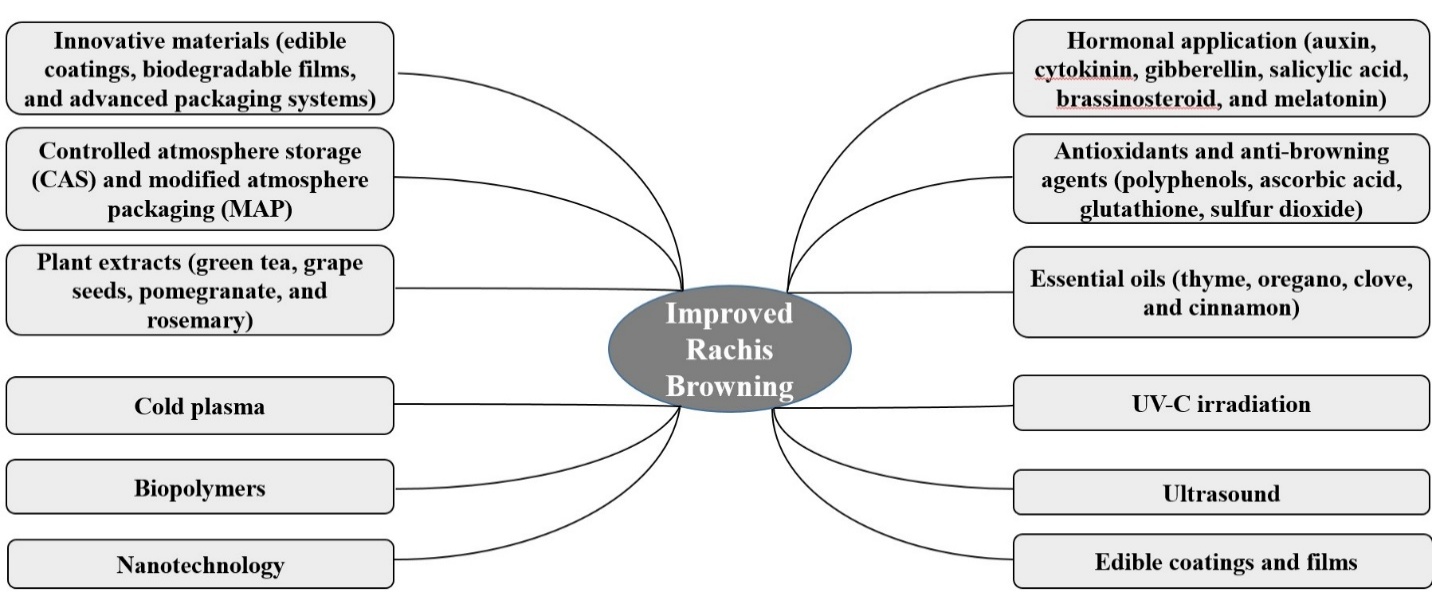
Figure 3. Approaches to mitigating rachis browning: hormonal application (auxin, cytokinin, gibberellin, salicylic acid, brassinosteroid, and melatonin), edible coatings and films, antioxidants and anti-browning agents (polyphenols, ascorbic acid, glutathione, sulfur dioxide, plant extracts (green tea, grape seeds, pomegranate, and rosemary), essential oils (thyme, oregano, clove, and cinnamon), Innovative materials (edible coatings, biodegradable films, and advanced packaging systems), UV-C irradiation, ultrasound, controlled atmosphere storage (CA) and modified atmosphere packaging (MAP), cold plasma, nanotechnology, and biopolymers.
Polyethylene and polypropylene liners are common materials used for grape packaging (Figure 3). They help retain moisture but must be optimised for permeability to avoid condensation and fungal infections. Innovations such as microperforated films allow for fine-tuned ventilation, balancing gas exchange and humidity, thereby extending shelf life and reducing disease risks (Maryam et al., 2021).
Elevated oxygen storage, using atmospheres with 70–80 % O2, has also been shown to inhibit microbial growth and preserve berry firmness and rachis integrity during storage (Deng et al., 2007). Meanwhile, mild CO2 enrichment (15–20 %) helps suppress browning enzymes and control fungal infections without inducing off-flavours (Pretel et al., 2006).
Edible coatings represent an emerging strategy, providing a semi-permeable barrier that reduces water loss, maintains rachis freshness, and delays oxidative degradation (Figure 3). Coatings formulated with pectin, polyvinyl alcohol, or salicylic acid have demonstrated potential in extending shelf life and reducing rachis browning (Lo’ay et al., 2021). These coatings not only slow moisture loss but can also incorporate natural antioxidants, further strengthening their protective effects. Ultimately, integrating optimised packaging technologies with careful handling practices ensures improved rachis and berry quality throughout storage and transportation. Various treatments have also been reported to reduce rachis browning in some grape cultivars (Table 1).
Treatment | Cultivar | Storage condition duration | Traits | Reference |
Melatonin (50 and 100 μmol L−1) | ‘Kyoho’ | 4 °C and 80 % RH for 25 d | Decrease: rachis browning index, decay development, weight loss rate, berry abscission rate, respiration rate, and terpenes content. Increase: total phenolics, total flavonoids, accumulation of esters, aldehydes, and alcohols. Delay: reduction of anthocyanins and TSS. | (Ban et al., 2023) |
IBA (20 mg L−1) + GA3 (10 mg L−1) at full bloom | ‘Superior Seedless’ | 0 ◦C and 95 % RH for 60 d | Produced looser bunches with larger berries. Improved: total vascular bundle area (xylem and phloem) and rachis hydraulic conductivity rachis and berries firmness, and freshness appearance. | (Guzmán et al., 2021) |
GA (20 mg L−1), CK (2 mg L−1) | ‘Mystery’, ‘Superior’, ‘Red Globe’, and ‘Crimson Seedless’ | 2.5 ± 1 °C and 90–95 % RH | Increase: berry weight and diameter, and rachis diameter. Decrease: rachis browning, browning scale, rachis dry weight, and weight loss. | (Kakaei et al., 2024) |
CK (50 and 100 mg L−1) | ‘Fakhri’ | 2 ± 0.5 ◦C and 92 ± 2 % RH for 7 d | Maintain: RWC, chlorophyll, antioxidant enzyme, IAA, GA3 in rachis. Suppress: rachis browning, MDA, H2O2, total phenolic compound, PPO, POD, weight loss in rachis. | (Khandani et al., 2026) |
CA (15 % CO2 and 5 % O2) and CK (400 µL L−1) | ‘Red Globe’ | long-term cold storage (90 days at 0 ◦C) and after shelf-life (90 days at 0 ◦C plus 2 d at 20 ◦C) | Delay: development of browning, water loss, and senescence. CK affected the expression profiles of TL1, CBS and ERF. | (Balic et al., 2012) |
Nitric oxide (NO) (100, 200, 300, 400, 500, 600, 700, 800, 900, 1000, 1500 μL L−1) | ‘Thompson Seedless’ | 25 days at 0 ± 0.5 ◦C and 90 ± 2 % RH and 3 d at 8 ± 0.5 ◦C or 20 ± 0.5 ◦C | Prevented rachis browning by delaying water loss, reducing phenols accumulation, inhibiting PPO activity, and inducing POD activity. Down-regulated PPO1, up-regulated POD3, and affected the expression of PAL2 and PAL3 in grape rachis. | (Wu et al., 2021) |
1-MCP and ethylene | ‘Thompson Seedless’, ‘Mystery’, and ‘3003’ | 0 °C and 92.5 % RH for 6 d | 1-MCP delayed rachis browning, whereas ethylene tended to enhance it. 1-MCP reduced respiration and ethylene production, while enhanced auto-fluorescence properties of rachis. | (Li et al., 2015) |
1-MCP and 1-MCP + 80 % O2, 1-MCP + 20 % CO2 | ‘Kyoho’ and ‘Yongyou NO.1’ | 4 ± 1 °C for 32 d | Prevent rachis browning and chlorophyll degradation, maintained the cellular microstructure integrity and promoted esters and terpenes synthesis. Downregulate: transcriptional expression of genes involved in ethylene biosynthesis and genes expression related to softening. | (Wang et al., 2019) |
Aloe vera gel coating (50 %) | ‘Sundarkhani’, ‘Khismishi’, and ‘Shaghali’ | 2 ± 1 °C and 90 ± 5 % RH for 20 d | Reduce: rachis browning, weight loss, electrolyte leakage, respiration rate and POD activity. Increase: total phenolic content, total antioxidant, and enzyme activities (SOD and CAT) in berries. | (Ayyub et al., 2024) |
CO2 (20 %) + O2 (20 %) + N2 (60 %) | ‘Cardinal’ | 0 ± 0.5 ◦C and 95 % RH for 33 d | High CO2 levels reduce: GPO and VcPAL mRNA levels (contributed to the appearance of browning rachis) and lipid peroxidation levels. | (Rosales et al., 2013) |
High O2 | ‘Kyoho’ | 0 ± 1 ◦C and 95 % RH for 65 d | Improve: berry hardness, springiness, chewiness, flavors and membrane integrity. Reduce: fruit decay, berry drop, rachis browning and weight loss. Delay: decrease of SSC, TA and ascorbic acid. High O2 resulted in a firmer berry, better texture, berry adherence strength, and sensory scores. | (Deng et al., 2005) |
kPa CO2 (20 %) + kPa O2 (20 %) + kPa N2 (60 %) | ‘Red Globe’ and ‘Superior Seedless’ | 0 ◦C and 95 % RH for 28 d | Improve: rachis browning and non-enzymatic antioxidant system. Reduce: total phenolic content, antioxidant activity, expression of different stilbene synthase genes, and lipid peroxidation levels. Corroborate: important role of ethylene-responsive factors in the beneficial effect of the gaseous treatment, not only in the berries but also in the rachis. Avoid: induction of cell wall-degrading enzyme-related genes. | (Romero et al., 2022) |
SO2 (1200 μL L−1) | ‘Shine Muscat’ | 20 ◦C and 85–90 % RH for 6 d | Inhibited rachis browning and affected endogenous phenolic metabolism and sulfur assimilation, at both transcriptional and metabolic levels. Promote: accumulation of major phenolic compounds, such as (+)-catechin, (-)-epicatechin, (-)-epicatechin gallate, and proanthocyanidins, by increasing the transcript levels of VvLAR and Vv3GT genes involved in flavonoid pathway. Activate: gene expression involved in sulfite assimilation, resulting in the accumulation of sulfur-containing metabolites (including cysteine, hydrogen sulfide, and glutathione). | (Li et al., 2023) |
Chlorine dioxide (ClO2) (1, 1.2, 1.5, and 2 mg L−1) | ‘Kyoho’ | 0.5 °C for 90 d | Reduce: berry decay and rachis browning. Improve: microbial safety of grapes and is a promising nonthermal pathogen reduction technique for fresh table grape | (Chen et al., 2018) |
Chitosan (0.5 and 1 %) | ‘Shahroudi’ | 0 °C for 60 d | Reduce: weight loss, decay, browning, shattering, and cracking. Increase: TSS, TA, and TSS/TA ratio levels. Delay: changes of the total phenolics, catechin, and antioxidant capacity. | (Shiri et al., 2013) |
Hormonal approaches to mitigating rachis browning
1. Role of plant growth regulators such as auxin, cytokinin, gibberellin, salicylic acid, brassinosteroid, and melatonin
Plant growth regulators regulate an array of physiological and developmental processes, including stress responses. Among these, auxins, cytokinins, gibberellins, brassinosteroids, and melatonin play distinct roles in determining the susceptibility or resistance of plant tissues to postharvest disorders (Figure 4).
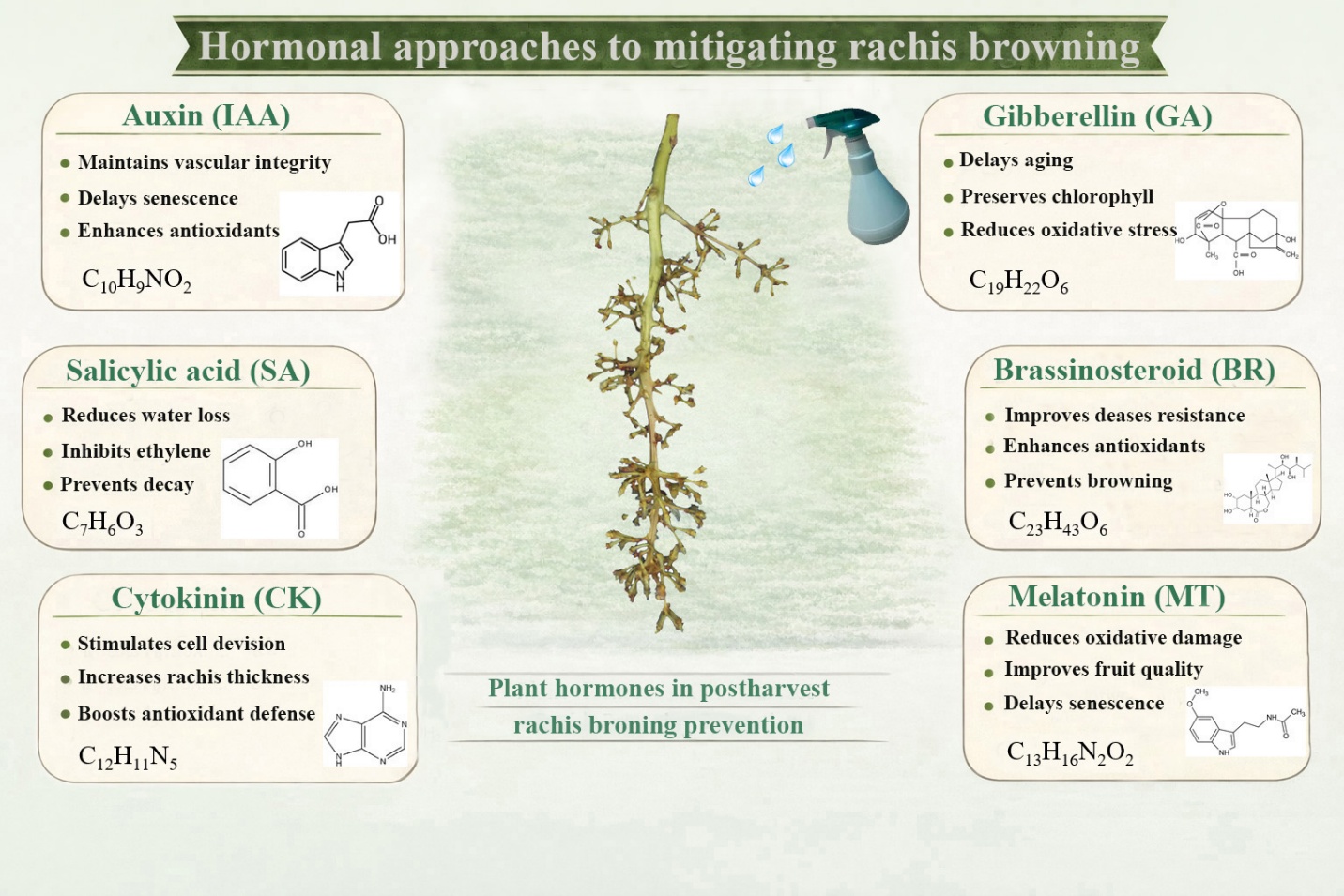
Figure 4. Hormonal approaches (auxin, cytokinin, gibberellin, salicylic acid, brassinosteroid, and melatonin) to mitigating rachis browning.
Auxins are fundamental phytohormones involved in processes such as cell elongation, vascular development, and the modulation of antioxidant systems (Khandani et al., 2024a, Khandani et al., 2024b). A decline in auxin levels during cold storage is associated with increased rachis browning, potentially through the promotion of senescence and vascular dysfunction. Enhancing auxin concentrations, particularly via indole-3-butyric acid (IBA) applications, has been shown to sustain vascular integrity, delay senescence, and stimulate antioxidant defences, collectively mitigating browning symptoms (Guzmán et al., 2021). Experimental applications of IBA at different phenological stages improved rachis mass, vascular development, and berry firmness without inducing cluster compactness (Pugliese et al., 2022). Additionally, IBA treatments during full bloom enhanced the rachis’ vascular area and hydraulic conductivity, correlating with delayed browning during storage (Guzmán et al., 2021). Furthermore, postharvest application of indole-3-acetic acid (IAA) at concentrations of 50 and 100 mg L–1 to the rachis abscission zone was shown to reduce rachis browning (Figure 5) by enhancing hormonal balance within the rachis, maintaining IAA and gibberellin (GA3) levels, and decreasing abscisic acid (ABA) content (Khandani et al., 2026). These findings emphasise the potential of auxin-based strategies in enhancing grape postharvest longevity.
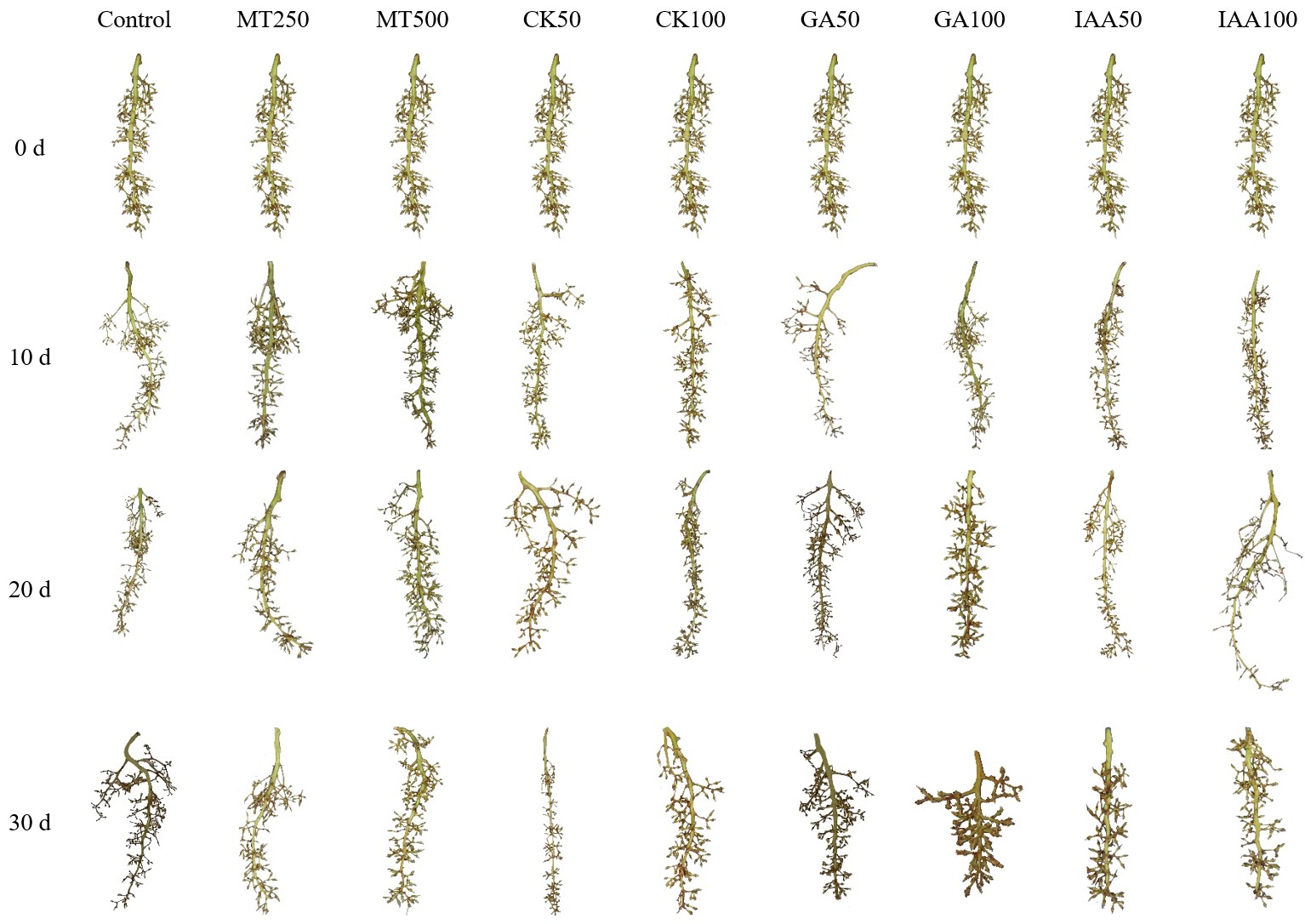
Figure 5. Rachis browning of ‘Fakhri’ table grape treated with melatonin (MT: 250 and 500 µM), cytokinin (CK: 50 and 100 mg L–1), gibberellin (GA: 50 and 100 mg L–1), and indole-3 acetic acid (IAA: 50 and 100 mg L–1) during cold storage (Khandani et al., 2026).
Cytokinins such as forchlorfenuron (CPPU) are known to stimulate cell division and delay senescence. CPPU application results in increased berry size, rachis thickness, and vascular bundle development, enhancing the structural integrity necessary to resist browning (Zoffoli et al., 2009). Furthermore, CPPU plays a role in modulating the antioxidant defence mechanisms in plants. By augmenting antioxidant activity within the rachis, CPPU may counteract oxidative stress, a key factor in cellular damage and senescence. Balic et al. (2012) reported that applying 400 mg L–1 benzyladenine to the rachis of ‘Red Globe’ 1 day before harvest conferred supplementary protection and influenced the expression profiles of three specific genes: TL1, CBS, and ERF. This observation implies a hypothetical cellular regulatory mechanism governing water loss and senescence in the rachis, which likely encompasses the metabolic pathways associated with ethylene and oxidative stress. Postharvest application of 6-Benzyladenine (BAP) at concentrations of 50 and 100 mg L–1 can delay rachis browning during postharvest storage by maintaining the relative water content and chlorophyll content of the rachis (Khandani et al., 2026).
Gibberellins (GA) regulate critical growth processes and contribute significantly to maintaining rachis vitality by delaying senescence and preventing vascular deterioration. Increased GA levels help sustain vascular function and reduce oxidative stress by regulating antioxidant-related gene expression. While commercial GA applications at fruit set had no clear impact on rachis pigmentation (Raban et al., 2013), GA applications during berry enlargement phases enhanced rachis chlorophyll content and reduced browning (Lichter et al., 2015). Khandani et al. (2026) demonstrated that postharvest application of GA3 at concentrations of 50 and 100 mg L–1 reduced oxidative stress by enhancing enzymatic and non-enzymatic antioxidant activities, ultimately leading to better chlorophyll retention and maintenance of rachis greenness. These findings highlight the importance of application timing and concentration in harnessing GA benefits for postharvest management.
Salicylic acid (SA) has been widely recognised for its role in enhancing postharvest grape quality by inhibiting ethylene biosynthesis, reducing water loss, and suppressing oxidative enzyme activities. The pre-harvest spray of 1.5 mM SA reduced weight loss, rachis browning and decay incidence of ‘Flame Seedless’ table grape (Champa et al., 2015). Moreover, postharvest treatments combining SA with pectin and polyvinyl alcohol at varying concentrations (0, 1, and 2 mM) showed significant reductions in cell wall-degrading enzyme activities, lipid peroxidation, and electrolyte leakage (Lo’ay et al., 2021). Additionally, 2 mM SA applications were most effective in preserving berry firmness, appearance, rachis browning, taste, and overall shelf life (Hazarika & Marak, 2021). Thus, SA emerges as a critical postharvest intervention for minimising rachis deterioration.
Brassinosteroids (BRs), particularly 24-epibrassinolide (EBR), have demonstrated remarkable efficacy in enhancing postharvest fruit resilience due to their roles in antioxidant activation and stress tolerance (Álvarez et al., 2024). The treatment of grapes with a concentration of 5 μmol L–1 EBR resulted in a marked reduction in both the deterioration and threshing rates, postponed the accumulation of MDA and the onset of odour degradation, and sustained elevated antioxidant capacity; furthermore, it promoted the activities of SOD, CAT, cinnamate-4-hydroxylase (C4H), and 4-coumarate:CoA ligase (4CL), in addition to enhancing the expression levels of genes such as VCHI, VGNS, and VPAL-like, thereby mitigating the incidence of postharvest grey mould and bolstering disease resistance (Zeng et al., 2025). Moreover, applications of BRs at 0.5–1 mg L–1 concentrations effectively delayed rachis browning by suppressing PPO and POD enzyme activities and maintaining chlorophyll levels (Champa et al., 2015). Therefore, BRs present a viable strategy for improving the postharvest stability of table grapes, contributing to extended storage life and enhanced marketability.
Melatonin (N-acetyl-5-methoxytryptamine), an indoleamine with potent antioxidant properties, significantly ameliorates oxidative stress and delays fruit senescence (Kakaei et al., 2024). Its role extends to regulating critical developmental processes and enhancing resistance against chilling and waterlogging stresses (Zhang et al., 2019). In grapes (Vitis labrusca × vinifera ‘Kyoho’), exogenous melatonin application at 50–100 μmol L–1 concentrations reduced rachis browning, berry decay, and weight loss while enhancing phenolic and flavonoid accumulations (Ban et al., 2023). Melatonin can serve as an effective postharvest treatment for reducing rachis browning by decreasing phenolic compounds and suppressing the activities of PPO and POD enzymes (Khandani et al., 2026). These treatments also delayed declines in anthocyanin content and total soluble solids, further highlighting melatonin’s multifunctionality in preserving postharvest grape quality.
2. Applications of ethylene inhibitors (e.g., 1-MCP)
Ethylene, despite grapes being classified as non-climacteric fruits, plays a significant role in rachis browning by promoting chlorophyll degradation, tissue senescence, and oxidative stress. 1-MCP is an ethylene action inhibitor that binds to ethylene receptors, preventing ethylene perception and its associated ageing processes (Koushesh Saba & Watkins, 2020). Post-harvest 1-MCP applications have been shown to significantly delay rachis browning by reducing respiration rates, decreasing oxidative damage, and enhancing the activities of antioxidant enzymes. In particular, 1-MCP treatment preserves chlorophyll content and structural integrity in rachis tissues during cold storage (Li et al., 2015). Transcriptomic analyses have further revealed that 1-MCP downregulates genes associated with carotenoid biosynthesis and lysine degradation, pathways linked to senescence (Li et al., 2015; Zhang et al., 2022). These molecular adjustments contribute to delaying rachis discolouration and structural weakening during prolonged storage.
Integrating 1-MCP treatments with innovative packaging solutions, such as laser microporous films (LMF), provides additional benefits by controlling humidity and oxygen levels, thereby further extending grape shelf life and maintaining quality (Tong et al., 2024). Thus, the use of hormonal treatments and ethylene inhibitors represents a powerful strategy for controlling rachis browning, offering sustainable solutions for the grape industry’s postharvest challenges.
Material-based solutions for rachis preservation
1. Use of edible coatings and films
The development of edible coatings and films has emerged as a sustainable and effective strategy to extend the postharvest life of table grapes and mitigate rachis browning and originally inspired by ancient preservation techniques, modern edible coatings are now designed using biodegradable and non-toxic materials such as polysaccharides (e.g., chitosan, alginate, pectin), proteins (e.g., gelatin, soy protein), and lipids (e.g., waxes and oils). These coatings create a semi-permeable barrier over the fruit surface, reducing moisture loss, limiting oxygen diffusion, and slowing down oxidative reactions associated with browning (Divyashri et al., 2024; Eshghi et al., 2022; Saeedi et al., 2025).
Polysaccharide-based coatings, particularly chitosan, have been extensively studied for their antimicrobial properties and their ability to maintain fruit firmness and appearance. Chitosan coatings help reduce microbial spoilage, limit oxidative stress, and delay senescence by enhancing antioxidant defences such as SOD, CAT, and APX activities (Shiri et al., 2013). In grape storage, chitosan treatments have been shown to significantly reduce weight loss, berry shattering, and rachis browning while maintaining the sensory quality of the fruit (Eshghi et al., 2021). Moreover, Youssef et al. (2019) reported that chitosan nanoparticles, silica nanoparticles, and chitosansilica nanocomposites effectively prevented the deterioration of table grape quality during postharvest storage, without any negative effects on fruit parameters.
When applied to table grapes, edible coatings function by minimising water loss from the rachis, thus preserving its turgor and green appearance. Moreover, the reduction in oxygen permeability offered by coatings curbs the activities of browning-related enzymes, such as PPO and POD, thereby limiting pigment formation and tissue degradation (Moghadas et al., 2024). Some advanced coatings incorporate natural antioxidants or antifungal agents, further enhancing their protective effects and extending grape shelf life (Al-Meshal et al., 2024).
Notably, combined formulations of polysaccharides and other bioactive compounds have demonstrated synergistic effects. For example, coatings based on pectin and polyvinyl alcohol (PVA) enriched with salicylic acid not only reduced rachis browning but also improved overall fruit antioxidant capacity and reduced enzymatic activity associated with senescence (Lo’ay et al., 2021). Thus, edible coatings and films represent a promising, environmentally friendly alternative to synthetic packaging methods, providing dual protection against physiological and microbial deterioration in table grapes during storage.
2. Application of antioxidants and anti-browning agents
The application of antioxidants and anti-browning agents is a well-researched strategy to reduce rachis browning in grapes, preserving their postharvest quality. Antioxidants such as ascorbic acid, glutathione, and polyphenols mitigate oxidative damage by scavenging ROS and enhancing the activity of endogenous antioxidant enzymes, including SOD, CAT, and APX (Farouk et al., 2022; Liang et al., 2024). Meanwhile, anti-browning agents like calcium-based compounds, sulfur dioxide (SO2), and natural plant extracts inhibit enzymatic browning by suppressing PPO and POD activities (Li et al., 2023).
Ascorbic acid, a natural antioxidant, inhibits PPO activity by acting as a reducing agent, scavenging oxygen, and converting o-quinones back to phenolic precursors before polymerisation occurs. Its efficacy depends on concentration, application method, and storage conditions. For instance, 2 mM ascorbic acid effectively reduces rachis browning in ‘Flame Seedless’ grapes stored at 0 °C with 95 % RH for 1–2 weeks, extending shelf life by two days at 20 °C (Farouk et al., 2022). Additionally, combining ascorbic acid with chitosan enhances its anti-browning effect by stabilising phenolic compounds. Ascorbic acid lowers the fruit surface pH, suppressing PPO activity, which thrives in neutral to alkaline conditions (Yin et al., 2022; Zhou et al., 2022). It may also interact with PPO’s active site, reducing catalytic efficiency. Beyond browning inhibition, ascorbic acid preserves vitamin C content, reinforcing the fruit’s antioxidant capacity (Eshghi et al., 2021).
Glutathione (GSH), a tripeptide antioxidant, maintains cellular redox homeostasis by neutralising ROS and regenerating other antioxidants like ascorbic acid. Its thiol group scavenges ROS, preventing lipid peroxidation and chlorophyll degradation. GSH also inhibits enzymatic browning by maintaining a reducing environment, preventing phenolic oxidation, and possibly modulating PPO activity (Liang et al., 2024). Furthermore, GSH supports sulfur metabolism and detoxification, preserving cellular integrity during storage (Chen et al., 2022). By stabilising metabolic functions, GSH extends grape shelf life.
Polyphenols, including flavonoids and tannins, reduce rachis browning via ROS scavenging, metal chelation, and PPO/POD inhibition. They competitively bind to PPO’s active site or reduce o-quinones, delaying browning (He et al., 2023). Grapes with higher endogenous polyphenol levels exhibit greater resistance to browning (Romero et al., 2020). Exogenous polyphenol-rich extracts (e.g., grape seed or green tea) further enhance antioxidant capacity. Polyphenols also stabilise cellular membranes, reducing permeability and leakage caused by oxidative stress (Efenberger-Szmechtyk et al., 2021). This preserves rachis turgor and delays senescence.
SO2, widely used in grape storage, combats browning through antimicrobial, antioxidant, and enzyme-inhibitory mechanisms. It suppresses microbial growth, preventing cellular decay, and inhibits respiratory enzymes, prolonging rachis freshness. Beyond its antimicrobial effects, SO2 acts as an antioxidant, slowing down respiration and enzymatic browning, thus maintaining stem greenness, berry turgidity, and overall freshness (Zhang et al., 2024). Higuchi et al. (2024) demonstrated that the association of an ultra-fast SO2-generating pad (FieldSO₂) with a dualrelease pad effectively controlled grey mould and extended the shelf life of ‘Italia’ table grapes up to 90 days under cold storage. In ‘Shine Muscat’ grapes, SO2 treatment enhances phenolic accumulation by upregulating genes in the flavonoid biosynthesis pathway (VvLAR and Vv3GT), while also preserving cellular structure and membrane integrity in the rachis (Li et al., 2023). Moreover, SO2 stimulates the GABA shunt pathway, increasing levels of GABA, glutamate, and related enzyme activities, alongside the expression of VvGAD1, VvGAD4, and VvGABA-T1. It also boosts polyamine synthesis, specifically putrescine, spermine, and spermidine, by enhancing arginine decarboxylase (ADC) activity and suppressing ornithine decarboxylase (ODC) expression. Finally, SO2 improves energy metabolism, as shown by elevated ATP levels and increased activity of key enzymes like H+-ATPase, Ca2+-ATPase, succinate dehydrogenase (SDH), and cytochrome c oxidase (CCO), with corresponding gene upregulation (Zhang et al., 2024).
Essential oils (e.g., thyme, clove) and plant extracts (e.g., green tea, pomegranate) are emerging as eco-friendly anti-browning agents. Their polyphenols and volatile compounds (e.g., thymol, eugenol) exhibit antimicrobial and antioxidant properties. They inhibit PPO/POD activity and reduce oxidative damage. For example, clove oil-based edible coatings reduce weight loss by 76 % and retain phenolics in grapes (Divyashri et al., 2024). Thyme and cinnamon oils suppress B. cinerea and lower PPO/POD activity, delaying browning (Elsayed et al., 2022).
3. Innovative materials for moisture retention and browning prevention
Recent advances in postharvest technologies have led to the development of innovative materials such as edible coatings, biodegradable films, and advanced packaging systems that effectively mitigate rachis browning in table grapes. These materials maintain the physiological and structural integrity of the rachis by regulating moisture levels, reducing oxidative stress, and inhibiting enzymatic activity, thereby preserving grape quality during storage (Divyashri et al., 2024).
Edible coatings, formulated from polysaccharides (e.g., chitosan, alginate), proteins (e.g., gelatin, whey protein), or lipids (e.g., beeswax, carnauba wax), create semi-permeable barriers that reduce water loss and prevent desiccation (Wu et al., 2024). They also maintain turgor pressure, which is key to delaying rachis browning. Enrichment with antioxidants, such as ascorbic acid, citric acid, and plant extracts, further enhances their ability to inhibit oxidative and enzymatic browning (Eshghi et al., 2021). Notably, Ayyub et al. (2024) reported that Aloe vera gel coatings significantly increased antioxidant enzyme activity and bioactive compound levels in grapes, reducing browning and preserving freshness.
Biodegradable films, derived from natural polymers like starch, polylactic acid (PLA), and polyhydroxyalkanoates (PHA), offer another sustainable solution. These films regulate gas exchange, maintaining optimal oxygen and carbon dioxide levels to slow metabolic processes and oxidative reactions, effectively delaying browning (Omerović et al., 2021; Yun et al., 2024). In this context, de Aguiar et al. (2023a) assessed biobased and SO2-generating plastic liners for extending the shelf life of ‘Benitaka’ table grapes, demonstrating the potential of such materials in postharvest applications. Additionally, infusion with antimicrobial agents or antioxidants provides added protection against microbial spoilage and oxidative stress.
Advanced packaging systems, including active and smart packaging, represent the next frontier in postharvest grape preservation. Active packaging technologies incorporate humidity regulators and oxygen scavengers to extend shelf life (Bodbodak & Rafiee, 2016), while smart packaging systems offer real-time monitoring of storage conditions, allowing for timely interventions.
Physical methods
1. Effects of UV-C irradiation on rachis browning
Ultraviolet-C (UV-C) irradiation has gained attention as a non-chemical, eco-friendly method for mitigating rachis browning and extending grape shelf life. UV-C light (200–280 nm) exerts germicidal and physiological effects, primarily by reducing microbial decay, oxidative stress, and enzymatic activity (Sabir & Sabir, 2019). Its antimicrobial action is central: UV-C damages microbial DNA, inhibiting fungal and bacterial growth, thereby preserving rachis integrity. Additionally, UV-C triggers the synthesis of secondary metabolites such as phenolic compounds and flavonoids, which serve as antioxidants that scavenge ROS and curb oxidative damage (Sheng et al., 2018). Enhanced antioxidant capacity helps maintain cell structure and delay senescence. Furthermore, the phenolic compounds induced by UV-C can inhibit PPO and POD activities, limiting enzymatic browning.
2. Effects of ultrasound on rachis browning
Ultrasound treatment, employing high-frequency sound waves (20–100 kHz), has also emerged as a sustainable, non-thermal technology to tackle postharvest grape issues. Through acoustic cavitation, ultrasound physically disrupts microbial cells and enzymatically inactivates PPO and POD, crucial players in enzymatic browning. Moreover, ultrasound enhances the diffusion of antioxidants, like ascorbic acid, into rachis tissues, further minimising oxidative reactions (Shi et al., 2024). Ultrasound also reduces microbial load by physically damaging the membranes of spoilage fungi and bacteria, such as B. cinerea and Penicillium spp. (Fan et al., 2021). In addition, controlled ultrasound stress can stimulate grape defence responses, boosting the synthesis of phenolics, flavonoids, and glutathione, which delay senescence and preserve nutritional quality (Ma et al., 2020). Treatment efficacy is highly dependent on ultrasound frequency, power, and exposure time: low-frequency, moderate-intensity, short-duration applications yield optimal results, whereas excessive exposure risks tissue softening (Bal et al., 2017).
When combined with edible coatings or MAP, ultrasound’s effectiveness is further enhanced. Ultrasound pre-treatment can improve the adhesion and performance of chitosan-based coatings, leading to a controlled release of antimicrobials and antioxidants (Barış Kavur & Yemenicioğlu, 2024). Similarly, ultrasound-assisted MAP can optimise gas dynamics to better control oxidative stress and enzymatic activity during storage (Moradinezhad et al., 2023).
3. Role of CA and MAP
CA and MAP have proven highly effective in extending grape shelf life by creating optimal gaseous conditions that slow metabolism, reduce oxidative stress, and inhibit enzymatic browning (Cukrov et al., 2019). CA maintains precise O2, CO2, and N2 concentrations at low temperatures, typically reducing O2 while elevating CO2 levels. These conditions suppress respiration and ethylene production, slowing senescence and minimising oxidative stress by limiting oxygen for ROS formation. Furthermore, high CO2 concentrations inhibit PPO and POD activities (Tian et al., 2005), effectively delaying browning.
MAP works on a smaller scale by enclosing grapes in selective-permeability films that allow controlled gas exchange. MAP reduces metabolic rates, oxidative stress, and microbial growth. Active packaging enhancements, such as oxygen scavengers and CO2 emitters, can further improve MAP performance. However, improper gas concentrations can lead to anaerobic respiration, causing off-flavours or tissue damage (Cukrov et al., 2019; Czerwiński et al., 2021). Therefore, precision in gas regulation is crucial.
Combining CA and MAP with antioxidant treatments or edible coatings yields even better results. For instance, chitosan-based coatings enriched with ascorbic acid or essential oils, when used with MAP, enhance antioxidant defences and further inhibit enzymatic browning (Perumal et al., 2021). CA integration with UV-C treatment or SO2 fumigation provides additional protection against microbial spoilage and oxidative degradation (Souza et al., 2022).
4. Effects of cold plasma on rachis browning
Cold plasma technology, based on the generation of ionised gases containing ROS, reactive nitrogen species (RNS), electrons, and photons, offers a novel, non-thermal solution for postharvest grape preservation. Cold plasma’s strong antimicrobial activity stems from the oxidative damage it inflicts on microbial membranes and DNA, preventing rachis decay (Alaguthevar et al., 2024).
Cold plasma also effectively combats oxidative stress. Reactive species produced by plasma neutralise ROS like superoxide anions and hydrogen peroxide, thereby preserving membrane lipids and chlorophyll. Plasma exposure can also induce the synthesis of endogenous antioxidants such as phenolic compounds and flavonoids (Lin et al., 2024). Importantly, cold plasma suppresses enzymatic browning. It modifies the structure of PPO and POD, reducing their activity, and can degrade phenolic substrates necessary for enzymatic oxidation (Mayookha et al., 2023). The slight acidity induced by cold plasma further inhibits PPO, which favours neutral to alkaline pH. Treatment optimisation, including voltage, exposure time, and gas composition, is critical. Low to moderate plasma doses effectively reduce browning without damaging grape tissues, while overexposure can cause phytotoxic effects.
5. Integration of physical and biochemical approaches
Rachis browning results from complex interactions among oxidative stress, enzymatic reactions, microbial decay, and physiological senescence (Wu et al., 2021). Therefore, a multifaceted strategy combining physical and biochemical methods is the most effective. Integration of CA, MAP, UV-C, ultrasound, cold plasma, and antioxidant applications provides comprehensive protection. For example, combining CA or MAP with antioxidant-enriched edible coatings can simultaneously control the storage environment and deliver bioactive compounds directly to grape tissues (Das et al., 2023). Similarly, combining UV-C or cold plasma with MAP or CA synergises antimicrobial and antioxidative mechanisms, offering superior preservation of rachis quality.
Advances in postharvest technologies for rachis browning control
1. Role of nanotechnology and biopolymers
Recent advances in nanotechnology and biopolymers offer promising strategies for mitigating rachis browning in grapes, addressing key factors such as oxidative stress, enzymatic activity, and microbial decay (Hussein et al., 2023). Nanotechnology enables the development of precise and effective postharvest treatments by manipulating materials at the nanoscale. Nanoemulsions, consisting of oil dispersed in water, encapsulate antioxidants, antimicrobials, or plant extracts, enhancing their stability, solubility, and bioavailability (McClements et al., 2021). These nanoemulsions improve the stability, solubility, and bioavailability of active ingredients (Barradas & de Holanda e Silva, 2020). These nanoemulsions, incorporating agents like thymol and carvacrol, inhibit PPO activity, scavenge ROS, and curb microbial growth, thus delaying browning.
Nanocomposite coatings represent another nanotechnological approach, combining biopolymers such as chitosan or alginate with nanoparticles like clay, silver, or zinc oxide. These composites enhance mechanical strength, barrier properties, and functional performance, lowering oxygen permeability and providing antimicrobial and antioxidant protection (Al-Meshal et al., 2024; Jamali et al., 2024).
Biopolymers, derived from renewable natural sources, have become crucial in postharvest management due to their biodegradability and non-toxicity. Edible coatings from materials like chitosan, alginate, pectin, and starch form semi-permeable barriers that minimise water loss, maintain turgor pressure, and prevent desiccation, key factors in mitigating rachis browning (Al-Meshal et al., 2024). Functionalisation of these coatings with bioactive compounds such as ascorbic acid or plant extracts further boosts antioxidant and anti-enzymatic activities. For instance, chitosan coatings enriched with green tea extract have demonstrated significant reductions in PPO activity and ROS levels (Moghadas et al., 2024). Beyond conventional coatings, the development of biocompatible nanocomposites has also gained attention; for example, Youssef et al. (2019) reported that a silica and chitosan nanocomposite effectively preserves freshness, highlighting the potential of such hybrid materials in postharvest applications.
Integrating nanotechnology and biopolymers yields synergistic benefits. Nanocomposite biopolymer coatings combine structural strength with functional capabilities, while embedding nanoemulsions into biopolymer matrices enhances active compound delivery (Rehman et al., 2021; Youssef et al., 2019). Such approaches not only improve postharvest preservation but also reduce dependence on synthetic chemicals, aligning with the growing consumer demand for natural, eco-friendly solutions. The success of these strategies, however, hinges on optimising formulations, application methods, and storage conditions (Hussein et al., 2023).
2. Future prospects for sustainable postharvest solutions
Looking ahead, sustainable postharvest solutions will emphasise innovations like gene editing (e.g., CRISPR-Cas9) for developing browning-resistant grape varieties and the continued evolution of nanotechnology for precise antioxidant delivery. Smart packaging equipped with sensors and active compounds will enable real-time quality monitoring, while non-thermal treatments like UV-C, cold plasma, and ultrasound offer chemical-free alternatives to combat microbial decay and enzymatic browning (Lin et al., 2024; Sheng et al., 2018; Shi et al., 2024). Moreover, advances in biopolymer technology and circular economy practices, such as using agricultural waste for packaging materials, will further promote sustainability. Achieving widespread adoption of these solutions will require interdisciplinary collaboration, consumer education, and supportive policy frameworks, ensuring long-term fruit quality preservation with minimal environmental impact.
Challenges and opportunities in rachis browning mitigation
1. Limitations of current methods
Despite various strategies to mitigate rachis browning in grapes during storage, significant limitations persist, restricting their overall effectiveness and commercial adoption. Current techniques, including chemical treatments, CA, MAP, and natural compound applications, face critical challenges that necessitate new and sustainable solutions.
One major limitation is the reliance on synthetic chemicals such as SO2, which, although effective, presents risks to human health and the environment. SO2 can cause phytotoxic effects, leading to tissue damage and bleaching in grapes, and must be carefully regulated to meet food safety standards (Torres-Díaz et al., 2025). Furthermore, alternative natural compounds, including plant extracts and essential oils, although safer, often suffer from instability, high production costs, and difficulties in scalability (Elsayed et al., 2022).
Another issue is the inconsistency of treatment effectiveness across grape varieties and storage conditions. Methods like CA and MAP demand precise environmental control; any deviation in gas composition, temperature, or humidity can trigger anaerobic respiration, cause off-flavours, or fail to prevent browning (Souza et al., 2022). Physical treatments such as UV-C irradiation and cold plasma show promise but require specialised equipment and careful calibration to avoid phytotoxicity. Moreover, the absence of standardised protocols for these technologies complicates their application on a commercial scale.
Economic and logistical barriers also hinder the adoption of advanced postharvest technologies. Innovations like nanotechnology-based coatings, smart packaging systems, and gene-edited grape varieties involve high costs that small-scale producers often cannot afford. Moreover, the infrastructure needed for CA and other sophisticated methods may not be readily available worldwide (Ucar et al., 2021).
2. Gaps in research and need for interdisciplinary approaches
In addition to practical challenges, several research gaps impede progress in mitigating rachis browning. A major gap is the limited understanding of the molecular mechanisms behind browning. Although the roles of enzymes like PPO, POD, and ROS are known, the genetic and metabolic regulation of these processes remains unclear (Romero et al., 2022). Advanced omics technologies, including genomics, transcriptomics, proteomics, and metabolomics, offer new opportunities to identify biomarkers and regulatory pathways critical to rachis browning (Romero et al., 2016).
Furthermore, inconsistent experimental conditions across studies, involving different grape varieties, storage setups, and treatment parameters, make it difficult to compare results. Standardised evaluation protocols are urgently needed to ensure reproducibility and consistency (Bahar et al., 2017). Additionally, long-term studies simulating commercial storage conditions are lacking, limiting the practical applicability of many proposed solutions (Li et al., 2015).
Another critical and often overlooked research gap concerns the increasing number of newly released seedless table grape cultivars developed by private breeding companies over recent decades. Several of these cultivars exhibit a heightened susceptibility to rachis dehydration, which in turn exacerbates the severity of stem browning symptoms (Piarulli et al., 2024). Unlike well-studied traditional varieties, the physiological and biochemical responses of these new cultivars to postharvest treatments remain largely unexplored. Given their growing commercial importance and inherent vulnerability, single-strategy interventions are unlikely to be sufficient. Therefore, future research should prioritise the development and evaluation of combined, multi-target approaches tailored specifically to the unique characteristics of these emerging cultivars.
Conclusion
1. Summary of key findings
In conclusion, rachis browning in grapes during storage is a multifaceted postharvest challenge driven by oxidative stress, enzymatic activity, microbial decay, and physiological changes. Key findings demonstrate that current mitigation strategies, such as CA, MAP, and the application of natural compounds like ascorbic acid and plant extracts, are effective but face limitations, including chemical dependency, variability across grape varieties, and economic constraints. Emerging technologies, such as nanotechnology, cold plasma, and smart packaging, offer promising alternatives by providing targeted, sustainable, and eco-friendly solutions (Figure 6). However, gaps in research, such as a limited understanding of molecular mechanisms and the lack of standardised protocols, hinder their widespread adoption.
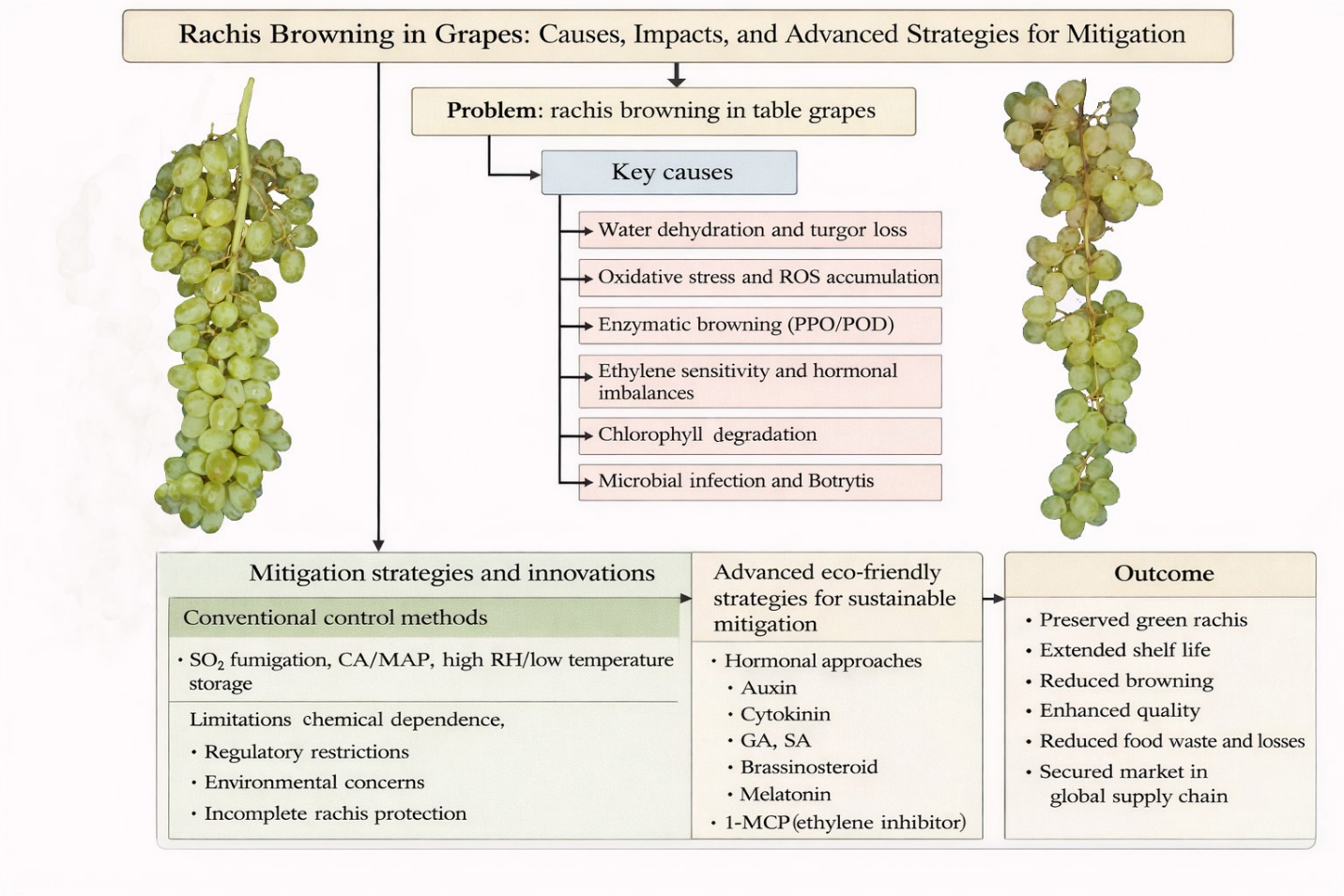
Figure 6. Overview of the main causes and mitigation strategies of rachis browning in table grapes. The figure highlights physiological and biochemical factors involved in browning, conventional postharvest treatments, and emerging eco-friendly approaches aimed at preserving rachis quality and extending shelf life.
2. Recommendations for practical applications
For practical applications, it is recommended to adopt integrated approaches that combine physical treatments (e.g., UV-C, cold plasma) with biochemical interventions (e.g., antioxidant-enriched edible coatings) to enhance efficacy. Standardised protocols should be developed to ensure consistency and reproducibility across studies and commercial practices. Additionally, small-scale producers should be supported by cost-effective, scalable technologies, such as biodegradable films and low-cost smart packaging systems. Collaboration between researchers, industry stakeholders, and policymakers is essential to facilitate the translation of innovative solutions into real-world applications.
3. Future directions for research and innovation
Future research should focus on advancing interdisciplinary approaches to address gaps in knowledge and technology. This includes leveraging omics technologies to elucidate the molecular mechanisms of browning, optimising emerging technologies like nanotechnology and cold plasma for scalability, and exploring circular economy principles to develop sustainable solutions from agricultural waste. Long-term studies under commercial storage conditions are needed to validate the effectiveness of new strategies. By prioritising innovation, collaboration, and sustainability, the grape industry can overcome current challenges, improve postharvest management practices, and ensure the long-term preservation of fruit quality in alignment with global sustainability goals.
References
- Alaguthevar, R., Packialakshmi, J. S., Murugesan, B., Rhim, J. W., & Thiyagamoorthy, U. M. (2024). In-package cold plasma treatment to extend the shelf life of food. Comprehensive Reviews in Food Science and Food Safety, 23, e13318. https://doi.org/10.1111/1541-4337.13318
- Al-Meshal, A. S., Al-Zahrani, M. H., Sami, R., Alshehry, G., Alnemari, N., Algopishi, U. B., Alharthi, S., Noorwali, E. A., Almehmadi, A. M., AL-Surhanee, A. A., Baazeem, A., Abushal, S. A., Helal, M., Bedaiwi, R. I., & Baakdah, F. (2024). Innovative surface nano zinc oxide coatings: A breakthrough in grape preservation, enriching phytochemicals, and mitigating fungal contamination for enhanced nutritional quality. Science of Advanced Materials, 16, 244–252. https://doi.org/10.1166/SAM.2024.4635
- Álvarez, F., Arena, M., Auteri, D., Leite, S. B., Binaglia, M., Castoldi, A. F., Chiusolo, A., Colagiorgi, A., Colas, M., Crivellente, F., De Lentdecker, C., De Magistris, I., Egsmose, M., Fait, G., Ferilli, F., Gouliarmou, V., Halling, K., Nogareda, L. H., Ippolito, A., ... Villamar-Bouza, L. (2024). Peer review of the pesticide risk assessment of the active substance clove oil. EFSA Journal, 22, e8671. https://doi.org/10.2903/J.EFSA.2024.8671
- Ayyub, S., Khan, A. S., Anwar, R., Ali, S., & Hasan, M. U. (2024). Aloe vera Gel Coating Extends Marketability and Maintains Quality by Reducing Rachis Browning and Preserving Bioactive Compounds of Commercial Table Grape Cultivars. Applied Fruit Science, 66, 1843–1853. https://doi.org/10.1007/s10341-024-01161-1
- Bahar, A., Kaplunov, T., Alchanatis, V., & Lichter, A. (2017). Evaluation of methods for determining rachis browning in table grapes. Postharvest Biology and Technology, 134, 106–113. https://doi.org/10.1016/J.POSTHARVBIO.2017.08.016
- BAL, E., KOK, D., & TORCUK, A. I. (2017). Postharvest putrescine and ultrasound treatments to improve quality and postharvest life of table grapes (Vitis vinifera L.) cv. Michele Palieri. Journal of Central European Agriculture, 18. https://doi.org/10.5513/JCEA01/18.3.1934
- Balic, I., Moreno, A., Sanhueza, D., Huerta, C., Orellana, A., Defilippi, B. G., & Campos-Vargas, R. (2012). Molecular and physiological study of postharvest rachis browning of table grape cv Red Globe. Postharvest Biology and Technology, 72, 47–56. https://doi.org/10.1016/J.POSTHARVBIO.2012.05.005
- Ban, Z., Zhang, S., Niu, C., Liu, L., Cao, K., Li, L., Wu, Z., Wang, L., Chen, C., & Zhu, Y. (2023). Potential role of exogenous melatonin involved in postharvest quality maintenance of Vitis labrusca × vinifera 'Kyoho.' Journal of the Science of Food and Agriculture, 103, 6243–6251. https://doi.org/10.1002/JSFA.12694
- Barış Kavur, P., & Yemenicioğlu, A. (2024). An efficient method of improving essential oil retention and sustained release of chitosan films: Ultrasound-assisted preparation of chitosan composites with surface active chickpea proteins. Food Hydrocolloids, 151, 109790. https://doi.org/10.1016/J.FOODHYD.2024.109790
- Barradas, T. N., & de Holanda e Silva, K. G. (2020). Nanoemulsions of essential oils to improve solubility, stability and permeability: a review. Environmental Chemistry Letters, 19, 1153–1171. https://doi.org/10.1007/S10311-020-01142-2
- Becatti, E., Chkaiban, L., Tonutti, P., Forcato, C., Bonghi, C., & Ranier, A. M. (2010). Short-term postharvest carbon dioxide treatments induce selective molecular and metabolic changes in grape berries. Journal of Agricultural and Food Chemistry, 58, 8012–8020. https://doi.org/10.1021/jf100936x
- Bodbodak, S., & Rafiee, Z. (2016). Recent trends in active packaging in fruits and vegetables. Eco-Friendly Technology for Postharvest Produce Quality, 77–125. https://doi.org/10.1016/B978-0-12-804313-4.00003-7
- Chacón-Vozmediano, J. L., Martínez-Gascueña, J., García-Romero, E., Gómez-Alonso, S., García-Navarro, F. J., & Jiménez-Ballesta, R. (2021). Effects of Water Stress on the Phenolic Compounds of 'Merlot' Grapes in a Semi-Arid Mediterranean Climate. Horticulturae, 7(7), 161. https://doi.org/10.3390/HORTICULTURAE7070161
- Champa, W. A. H., Gill, M. I. S., Mahajan, B. V. C., Aror, N. K., & Bedi, S. (2015). Brassinosteroids Improve Quality of Table Grapes (Vitis vinifera L.) cv. Flame Seedless. Tropical Agricultural Research, 26, 368. https://doi.org/10.4038/TAR.V26I2.8099
- Champa, W. A. H., Gill, M. I. S., Mahajan, B. V. C., & Arora, N. K. (2015). Preharvest salicylic acid treatments to improve quality and postharvest life of table grapes (Vitis vinifera L.) cv. Flame Seedless. Journal of Food Science and Technology, 52, 3607–3616. https://doi.org/10.1007/s13197-014-1422-7
- Chen, S., Wang, H., Wang, R., Fu, Q., & Zhang, W. (2018). Effect of gaseous chlorine dioxide (ClO2) with different concentrations and numbers of treatments on controlling berry decay and rachis browning of table grape. Journal of Food Processing and Preservation, 42, e13662. https://doi.org/10.1111/JFPP.13662
- Chen, Y., Li, Z., Ettoumi, F. E., Li, D., Wang, L., Zhang, X., Ma, Q., Xu, Y., Li, L., Wu, B., & Luo, Z. (2022). The detoxification of cellular sulfite in table grape under SO2 exposure: Quantitative evidence of sulfur absorption and assimilation patterns. Journal of Hazardous Materials, 439, 129685. https://doi.org/10.1016/J.JHAZMAT.2022.129685
- Chervin, C., El-Kereamy, A., Roustan, J. P., Latché, A., Lamon, J., & Bouzayen, M. (2004). Ethylene seems required for the berry development and ripening in grape, a non-climacteric fruit. Plant Science, 167, 1301–1305. https://doi.org/10.1016/J.PLANTSCI.2004.06.026
- Cukrov, D., Brizzolara, S., & Tonutti, P. (2019). Physiological and Biochemical Effects of Controlled and Modified Atmospheres. Postharvest Physiology and Biochemistry of Fruits and Vegetables, 425–441. https://doi.org/10.1016/B978-0-12-813278-4.00021-X
- Czerwiński, K., Rydzkowski, T., Wróblewska-Krepsztul, J., & Thakur, V. K. (2021). Towards Impact of Modified Atmosphere Packaging (MAP) on Shelf-Life of Polymer-Film-Packed Food Products: Challenges and Sustainable Developments. Coatings, 11(12), 1504. https://doi.org/10.3390/COATINGS11121504
- Das, S., Chaudhari, A. K., Singh, V. K., Dwivedy, A. K., & Dubey, N. K. (2023). Angelica archangelica essential oil loaded chitosan nanoemulsion as edible coating for preservation of table grape fruit against Botrytis cinerea contamination and storage quality deterioration. Postharvest Biology and Technology, 205, 112482. https://doi.org/10.1016/J.POSTHARVBIO.2023.112482
- de Aguiar, A. C., Higuchi, M. T., Ribeiro, L. T. M., Leles, N. R., Bosso, B. E. C., Shimizu, G. D., da Silva, M. J. R., Marques, V, V., Yamashita, F, Youssef, K., & Roberto, S. R. (2023b). Bio-based and SO₂-generating plastic liners to extend the shelf life of 'Benitaka' table grapes. Postharvest Biology and Technology, 197, 112217. https://doi.org/10.1016/j.postharvbio.2022.112217
- de Aguiar, A. C., Higuchi, M. T., Yamashita, F., & Roberto, S. R. (2023a). SO₂-generating pads and packaging materials for postharvest conservation of table grapes: A review. Horticulturae, 9(6), 724. https://doi.org/10.3390/horticulturae9060724
- Deng, Y., Wu, Y., & Li, Y. (2005). Effects of high O2 levels on post-harvest quality and shelf life of table grapes during long-term storage. European Food Research and Technology, 221, 392–397. https://doi.org/10.1007/s00217-005-1186-4
- Deng, Y., Wu, Y., Li, Y., Yang, M., Shi, C., & Zheng, C. (2007). Studies of postharvest berry abscission of 'Kyoho' table grapes during cold storage and high oxygen atmospheres. Postharvest Biology and Technology, 43, 95–101. https://doi.org/10.1016/J.POSTHARVBIO.2006.07.013
- Divyashri, G., Swathi, R., Murthy, T. P. K., Anagha, M., Sindhu, O., & Sharada, B. (2024). Assessment of antimicrobial edible coatings derived from coffee husk pectin and clove oil for extending grapes shelf life. Discover Food, 4, 1–24. https://doi.org/10.1007/s44187-024-00236-y
- Efenberger-Szmechtyk, M., Nowak, A., & Czyzowska, A. (2021). Plant extracts rich in polyphenols: antibacterial agents and natural preservatives for meat and meat products. Critical Reviews in Food Science and Nutrition, 61, 149–178. https://doi.org/10.1080/10408398.2020.1722060
- Elsayed, M. I., Al-Qurashi, A. D., Almasaudi, N. M., & Abo-Elyousr, K. A. M. (2022). Efficacy of essential oils against gray mold and effect on fruit quality during cold storage in table grapes. South African Journal of Botany, 146, 481–490. https://doi.org/10.1016/J.SAJB.2021.11.046
- Eshghi, S., Karimi, R., Shiri, A., Karami, M., & Moradi, M. (2021). The novel edible coating based on chitosan and gum ghatti to improve the quality and safety of 'Rishbaba' table grape during cold storage. Journal of Food Measurement and Characterization, 15, 3683–3693. https://doi.org/10.1007/s11694-021-00944-4
- Eshghi, S., Karimi, R., Shiri, A., Karami, M., & Moradi, M. (2022). Effects of polysaccharide-based coatings on postharvest storage life of grape: measuring the changes in nutritional, antioxidant and phenolic compounds. Journal of Food Measurement and Characterization, 16, 1159–1170. https://doi.org/10.1007/S11694-021-01275-0
- Fan, K., Wu, J., & Chen, L. (2021). Ultrasound and its combined application in the improvement of microbial and physicochemical quality of fruits and vegetables: A review. Ultrasonics Sonochemistry, 80, 105838. https://doi.org/10.1016/J.ULTSONCH.2021.105838
- Farouk, K. A., Baghdady, G. A., & Sultan, M. Z. (2022). Ascorbic acid as alternative treatment for sulfur dioxide to control rot incidence and keeping the quality of "Flame Seedless" grapes during short supply chain. Acta Horticulturae, 1336, 379–386. https://doi.org/10.17660/ACTAHORTIC.2022.1336.50
- García Juárez, H. D., Montes Ninaquispe, J. C., León Luyo, S. L., Marquez Yauri, H. Y., Mendoza Ocaña, C. E., De La Cruz Ruiz, N. V., Apaza Miranda, S. J., Corrales Otazú, C. D., Rodríguez Abraham, A. R., & Villanueva Butrón, G. V. (2025). Competitiveness and diversification in grape exports: keys to their sustainability in global markets. Agriculture, 15(17), 1894. https://doi.org/10.3390/agriculture15171894
- Ghorbani, Z., Koushesh Saba, M., & Mansouri, S. (2025). Preserving postharvest quality and mitigating chilling injury in tomatoes through folic acid treatment. Postharvest Biology and Technology, 228, 113669. https://doi.org/10.1016/J.POSTHARVBIO.2025.113669
- Guzmán, Y., Pugliese, B., González, C. V., Travaglia, C., Bottini, R., & Berli, F. (2021). Spray with plant growth regulators at full bloom may improve quality for storage of "Superior Seedless" table grapes by modifying the vascular system of the bunch. Postharvest Biology and Technology, 176. https://doi.org/10.1016/j.postharvbio.2021.111522
- Hamie, N., Zoffoli, J. P., Tarricone, L., Verrastro, V., Pérez-Donoso, A. G., & Gambacorta, G. (2022). Rachis browning and water loss description during postharvest storage of 'Krissy' and 'Thompson Seedless' table grapes. Postharvest Biology and Technology, 184, 111758. https://doi.org/10.1016/J.POSTHARVBIO.2021.111758
- Hazarika, T. K., & Marak, T. (2021). Salicylic acid and oxalic acid in enhancing the quality and extending the shelf life of grape cv. Thompson seedless. Food Science and Technology International, 28, 463–475. https://doi.org/10.1177/10820132211020612
- He, X., Chen, L., Pu, Y., Wang, H., Cao, J., & Jiang, W. (2023). Fruit and vegetable polyphenols as natural bioactive inhibitors of pancreatic lipase and cholesterol esterase: Inhibition mechanisms, polyphenol influences, application challenges. Food Bioscience, 55, 103054. https://doi.org/10.1016/J.FBIO.2023.103054
- Higuchi, M. T., Aguiar, A. C. D., Leles, N. R., Marques, V. V., Gonçalves, L. S., Yamashita, F., Youssef, K., & Roberto, S. R. (2024). Association of SO₂-generating pads before packaging and during cold storage to extend the conservation of 'Italia' table grapes. Plants, 13(19), 2827. https://doi.org/10.3390/plants13192827
- Hussein, A. O., Yenn, T. W., Ring, L. C., & Rashid, S. A. (2023). Potential Use of Nanotechnology to Reduce Postharvest Spoilage of Fruits and Vegetables. Advanced Structured Materials, 173, 13–23. https://doi.org/10.1007/978-3-031-26636-2_2
- Jamali, V., Emamifar, A., Beiginejad, H., Moradi, M., & Rasouli, M. (2024). Enhancing grape freshness and quality with nano zinc oxide coating: a study on post-harvest preservation and grape molasses. Journal of Food Measurement and Characterization, 18, 9959–9970. https://doi.org/10.1007/s11694-024-02934-8
- Kakaei, S., Koushesh Saba, M., Mansouri, S., & Darvishi, H. (2024). Melatonin postharvest spray influence on white mulberry browning, storage life, and biochemical changes. Postharvest Biology and Technology, 213, 112947. https://doi.org/10.1016/J.POSTHARVBIO.2024.112947
- Kaur, S., Arora, N. K., Gill, K. B. S., Sharma, S., & Gill, M. I. S. (2019). Hexanal formulation reduces rachis browning and postharvest losses in table grapes cv. 'Flame Seedless.' Scientia Horticulturae, 248, 265–273. https://doi.org/10.1016/J.SCIENTA.2019.01.011
- Khandani, Y., Koushesh Saba, M., & Sarikhani, H. (2026). Inhibiting rachis browning in table grape by postharvest hormonal treatments: Regulation of internal hormone homeostasis. Scientia Horticulturae, 363, 114913. https://doi.org/10.1016/J.SCIENTA.2026.114913
- Khandani, Y., Sarikhani, H., Gholami, M., Chehregani Rad, A., & Shirani Bidabadi, S. (2024a). Alteration in certain growth, biochemical, and anatomical indices of grapevine (Vitis vinifera) in response to the foliar application of auxin under water deficit. Functional Plant Biology, 51. https://doi.org/10.1071/FP24059
- Khandani, Y., Sarikhani, H., Gholami, M., Rad, A. C., Yousefi, S., Sodini, M., & Sivilotti, P. (2024b). Exogenous Auxin Improves the Growth of Grapevine (Vitis vinifera L.) under Drought Stress by Mediating Physiological, Biochemical and Hormonal Modifications. Journal of Soil Science and Plant Nutrition, 24, 3422–3440. https://doi.org/10.1007/S42729-024-01765-2
- Koushesh Saba, M., & Watkins, C. B. (2020). Flesh browning development of 'Empire' apple during a shelf life period after 1-methylcyclopropene (1-MCP) treatment and controlled atmosphere storage. Scientia Horticulturae, 261, 108938. https://doi.org/10.1016/j.scienta.2019.108938
- Li, L., Kaplunov, T., Zutahy, Y., Daus, A., Porat, R., & Lichter, A. (2015). The effects of 1-methylcyclopropane and ethylene on postharvest rachis browning in table grapes. Postharvest Biology and Technology, 107, 16–22. https://doi.org/10.1016/J.POSTHARVBIO.2015.04.001
- Li, Z., Chen, S., Qi, M., Yang, M., Yuan, H., Xu, Y., Huang, J., Li, D., Zhou, W., Yuan, Y., Luo, Z., & Li, L. (2023). Inhibition of postharvest rachis browning of table grapes by sulfur dioxide: Evidence from phenolic metabolism and sulfur assimilation. Postharvest Biology and Technology, 204, 112413. https://doi.org/10.1016/J.POSTHARVBIO.2023.112413
- Li, Z., Zhang, S., Xue, J., Mu, B., Song, H., & Liu, Y. (2022). Exogenous Melatonin Treatment Induces Disease Resistance against Botrytis cinerea on Post-Harvest Grapes by Activating Defence Responses. Foods, 11(15), 2231. https://doi.org/10.3390/FOODS11152231
- Li, Z., Zou, D., Nie, C., Chen, X., He, C., Zheng, X., Tan, B., Cheng, J., Wang, W., Gómez, P. M., Ye, X., & Feng, J. (2025). VvABF5 promotes ABA-mediated chlorophyll degradation by transcriptional activation of VvSGR during rachis browning of grape. Postharvest Biology and Technology, 222, 113363. https://doi.org/10.1016/J.POSTHARVBIO.2024.113363
- Liang, Y., Luo, K., Wang, B., Huang, B., Fei, P., & Zhang, G. (2024). Inhibition of polyphenol oxidase for preventing browning in edible mushrooms: A review. Journal of Food Science, 89, 6796–6817. https://doi.org/10.1111/1750-3841.17322
- Lichter, A. (2016). Rachis browning in tablegrapes. Australian Journal of Grape and Wine Research, 22, 161–168. https://doi.org/10.1111/AJGW.12205
- Lichter, A., Kaplunov, T., Zutahy, Y., Daus, A., Alchanatis, V., Ostrovsky, V., & Lurie, S. (2011). Physical and visual properties of grape rachis as affected by water vapor pressure deficit. Postharvest Biology and Technology, 59, 25–33. https://doi.org/10.1016/J.POSTHARVBIO.2010.07.009
- Lichter, A., Kaplunov, T., Zutahy, Y., Daus, A., Maoz, I., Beno-Mualem, D., & Lurie, S. (2015). Effects of gibberellin on cracking and postharvest quality of the seeded table grape "Zainy." Acta Horticulturae, 1079, 265–271. https://doi.org/10.17660/ACTAHORTIC.2015.1079.31
- Lin, X., Huang, S., Li, L., & Guo, J. (2024). Impact of plasma-activated water and cold plasma treatment on the firmness and antioxidant of postharvest fruits: a review. Food Science and Biotechnology, 1–10. https://doi.org/10.1007/s10068-024-01799-3
- Lo'ay, A. A., Rabie, M. M., Alhaithloul, H. A. S., Alghanem, S. M. S., Ibrahim, A. M., Abdein, M. A., & Abdelgawad, Z. A. (2021). On the Biochemical and Physiological Responses of 'Crimson Seedless' Grapes Coated with an Edible Composite of Pectin, Polyphenylene Alcohol, and Salicylic Acid. Horticulturae, 7(11), 498. https://doi.org/10.3390/HORTICULTURAE7110498
- Ma, T., Wang, J., Wang, L., Yang, Y., Yang, W., Wang, H., Lan, T., Zhang, Q., & Sun, X. (2020). Ultrasound-Combined Sterilization Technology: An Effective Sterilization Technique Ensuring the Microbial Safety of Grape Juice and Significantly Improving Its Quality. Foods, 9(10), 1512. https://doi.org/10.3390/FOODS9101512
- Maryam, A., Anwar, R., Malik, A. U., & Khan, S. A. (2021). Influence of macro-perforated polyethylene terephthalate and low-density polyethylene packaging films on quality and storability of strawberries. Journal of Food Processing and Preservation, 45, e15068. https://doi.org/10.1111/JFPP.15068
- Mayookha, V. P., Pandiselvam, R., Kothakota, A., Padma Ishwarya, S., Chandra Khanashyam, A., Kutlu, N., Rifna, E. J., Kumar, M., Panesar, P. S., & Abd El-Maksoud, A. A. (2023). Ozone and cold plasma: Emerging oxidation technologies for inactivation of enzymes in fruits, vegetables, and fruit juices. Food Control, 144, 109399. https://doi.org/10.1016/J.FOODCONT.2022.109399
- McClements, D. J., Das, A. K., Dhar, P., Nanda, P. K., & Chatterjee, N. (2021). Nanoemulsion-based technologies for delivering natural plant-based antimicrobials in foods. Frontiers in Sustainable Food Systems, 5, 643208. https://doi.org/10.3389/fsufs.2021.643208
- Meena, N. K., Vinod, B. R., Menaka, M., Gunjan, P., Kumar, B., & Chandana, M. R. (2024). Sustainable Technologies Prospects and Potential Applications in Postharvest Storage of Fruits and Vegetables. Sustainable Postharvest Technologies for Fruits and Vegetables, 42–62. https://doi.org/10.1201/9781003370376-3
- Moghadas, H. C., Smith, J. S., & Tahergorabi, R. (2024). Recent Advances in the Application of Edible Coatings for Shelf-Life Extension of Strawberries: A Review. Food and Bioprocess Technology, 18, 1079–1103. https://doi.org/10.1007/S11947-024-03517-7
- Moradinezhad, F., Heydari, A., & Ansarifar, E. (2023). Effects of Ultrasonication and Modified Atmosphere Packaging on the Physicochemical Characteristics and Quality of Ready-to-Eat Pomegranate Arils. Horticulturae, 9(7), 809. https://doi.org/10.3390/HORTICULTURAE9070809
- Nath, P., Pandey, N., Samota, M., Sharma, K., Kale, S., Kannaujia, P., Sethi, S., & Chauhan, O. P. (2022). Browning Reactions in Foods. Advances in Food Chemistry: Food Components, Processing and Preservation, 117–159. https://doi.org/10.1007/978-981-19-4796-4_4
- Omerović, N., Djisalov, M., Živojević, K., Mladenović, M., Vunduk, J., Milenković, I., Knežević, N., Gadjanski, I., & Vidić, J. (2021). Antimicrobial nanoparticles and biodegradable polymer composites for active food packaging applications. Comprehensive Reviews in Food Science and Food Safety, 20, 2428–2454. https://doi.org/10.1111/1541-4337.12727
- Perumal, A. B., Nambiar, R. B., Sellamuthu, P. S., & Emmanuel, R. S. (2021). Use of modified atmosphere packaging combined with essential oils for prolonging post-harvest shelf life of mango (cv. Banganapalli and cv. Totapuri). LWT, 148, 111662. https://doi.org/10.1016/J.LWT.2021.111662
- Piarulli, L., Pirolo, C., Roseti, V., Bellin, D., Mascio, I., La Notte, P., Montemurro, C., & Miazzi, M. M. (2024). Breeding new seedless table grapevines for a more sustainable viticulture in Mediterranean climate. Frontiers in Plant Science, 15, 1379642. https://doi.org/10.3389/fpls.2024.1379642
- Pretel, M. T., Martínez-Madrid, M. C., Martínez, J. R., Carreño, J. C., & Romojaro, F. (2006). Prolonged storage of 'Aledo' table grapes in a slightly CO2 enriched atmosphere in combination with generators of SO2. LWT - Food Science and Technology, 39, 1109–1116. https://doi.org/10.1016/J.LWT.2005.07.022
- Pugliese, M. B., Guzmán, Y., Pacheco, D., Bottini, R., Travaglia, C., Avenant, J. H., Avenant, E., & Berli, F. (2022). Indole-3-butyric acid, an alternative to GA3 for bunch quality enhancing of table grape Vitis vinifera L. cv. Superior Seedless. Revista de la Facultad de Ciencias Agrarias, 54, 163–174. https://doi.org/10.48162/REV.39.075
- Raban, E., Kaplunov, T., Zutahy, Y., Daus, A., Alchanatis, V., Ostrovsky, V., Lurie, S., & Lichter, A. (2013). Rachis browning in four table grape cultivars as affected by growth regulators or packaging. Postharvest Biology and Technology, 84, 88–95. https://doi.org/10.1016/J.POSTHARVBIO.2013.03.021
- Rehman, A., Qunyi, T., Sharif, H. R., Korma, S. A., Karim, A., Manzoor, M. F., Mehmood, A., Iqbal, M. W., Raza, H., Ali, A., & Mehmood, T. (2021). Biopolymer based nanoemulsion delivery system: An effective approach to boost the antioxidant potential of essential oil in food products. Carbohydrate Polymer Technologies and Applications, 2, 100082. https://doi.org/10.1016/J.CARPTA.2021.100082
- Romero, I., Rosales, R., Escribano, M. I., Merodio, C., & Sanchez-Ballesta, M. T. (2022). Short-Term Gaseous Treatments Improve Rachis Browning in Red and White Table Grapes Stored at Low Temperature: Molecular Mechanisms Underlying Its Beneficial Effect. International Journal of Molecular Sciences, 23(21), 13304. https://doi.org/10.3390/ijms232113304
- Romero, I., Vazquez-Hernandez, M., Escribano, M. I., Merodio, C., & Sanchez-Ballesta, M. T. (2016). Expression profiles and DNA-binding affinity of five ERF genes in bunches of Vitis vinifera cv. Cardinal treated with high levels of CO2 at low temperature. Frontiers in Plant Science, 7, 224630. https://doi.org/10.3389/fpls.2016.01748
- Romero, I., Vazquez-Hernandez, M., Maestro-Gaitan, I., Escribano, M. I., Merodio, C., & Sanchez-Ballesta, M. T. (2020). Table Grapes during Postharvest Storage: A Review of the Mechanisms Implicated in the Beneficial Effects of Treatments Applied for Quality Retention. International Journal of Molecular Sciences, 21(23), 9320. https://doi.org/10.3390/IJMS21239320
- Rosales, R., Fernandez-Caballero, C., Romero, I., Escribano, M. I., Merodio, C., & Sanchez-Ballesta, M. T. (2013). Molecular analysis of the improvement in rachis quality by high CO2 levels in table grapes stored at low temperature. Postharvest Biology and Technology, 77, 50–58. https://doi.org/10.1016/J.POSTHARVBIO.2012.10.009
- Sabir, F. K., & Sabir, A. (2019). Pre-harvest micronized calcium and postharvest UV-C treatments extend the quality of "Crimson Seedless" (Vitis vinifera L.) grapes. Erwerbs-Obstbau, 61, 25–32. https://doi.org/10.1007/S10341-019-00444-2
- Saeedi, M., Mirdehghan, S. H., Koushesh Saba, M., & Nazoori, F. (2025). Strategies to preserve quality and improve storage life of fresh in-hull pistachio: a review. Postharvest Biology and Technology, 230, 113751. https://doi.org/10.1016/j.postharvbio.2025.113751
- Sheng, K., Shui, S. S., Yan, L., Liu, C., & Zheng, L. (2018). Effect of postharvest UV-B or UV-C irradiation on phenolic compounds and their transcription of phenolic biosynthetic genes of table grapes. Journal of Food Science and Technology, 55, 3292–3302. https://doi.org/10.1007/s13197-018-3264-1
- Shi, J., Wang, S., Yao, J., Cui, M., Hu, B., Wang, J., Li, F., Wang, S., Tong, R., Li, M., Song, C., Wan, R., Jiao, J., & Zheng, X. (2024). Ultrasound treatment alleviates external pericarp browning and improves fruit quality of pomegranate during storage. Journal of the Science of Food and Agriculture, 104, 391–399. https://doi.org/10.1002/JSFA.12930
- Shiri, M. A., Bakhshi, D., Ghasemnezhad, M., Dadi, M., Papachatzis, A., & Kalorizou, H. (2013). Chitosan coating improves the shelf life and postharvest quality of table grape (Vitis vinifera) cultivar Shahroudi. Turkish Journal of Agriculture and Forestry, 37, 148–156. https://doi.org/10.3906/tar-1101-1671
- Souza, M., Artés, F., Jemni, M., Artés–Hernández, F., & Martínez–Hernández, G. B. (2022). Combined effect of UV–C and passive modified atmosphere packaging to preserve the physicochemical and bioactive quality of fresh figs during storage. Postharvest Biology and Technology, 194, 112106. https://doi.org/10.1016/J.POSTHARVBIO.2022.112106
- Tian, S. P., Li, B. Q., & Xu, Y. (2005). Effects of O2 and CO2 concentrations on physiology and quality of litchi fruit in storage. Food Chemistry, 91, 659–663. https://doi.org/10.1016/J.FOODCHEM.2004.06.038
- Tong, X., Song, H., Chen, Y., Shi, N., Shi, P., Yu, L., Kong, X., & Luo, H. (2024). 1-MCP combined with laser microporous film packaging maintains the quality and prolongs the storage period of Xiahei grapes. International Journal of Food Science and Technology, 59, 1550–1559. https://doi.org/10.1111/IJFS.16903
- Torres-Díaz, L. L., González-Lázaro, M., Sáenz de Urturi, I., Murillo-Peña, R., Pérez-Álvarez, E. P., & Garde-Cerdán, T. (2025). Assessment of fumaric acid, ascorbic acid, and glutathione as alternatives to SO₂: Effects on red and white wine volatile composition. LWT, 117525. https://doi.org/10.1016/J.LWT.2025.117525
- Ucar, Y., Ceylan, Z., Durmus, M., Tomar, O., & Cetinkaya, T. (2021). Application of cold plasma technology in the food industry and its combination with other emerging technologies. Trends in Food Science and Technology, 114, 355–371. https://doi.org/10.1016/J.TIFS.2021.06.004
- Wang, L., Luo, Z., Li, J., Yang, M., Yan, J., Lu, H., Li, D., Chen, C., Aghdam, M. S., Wu, B., & Li, L. (2019). Morphological and quality characterization of grape berry and rachis in response to postharvest 1-methylcyclopropene and elevated oxygen and carbon dioxide atmospheres. Postharvest Biology and Technology, 153, 107–117. https://doi.org/10.1016/J.POSTHARVBIO.2019.04.001
- Wang, W. N., Qian, Y. H., Liu, R. H., Liang, T., Ding, Y. T., Xu, X. L., Huang, S., Fang, Y. L., & Ju, Y. L. (2023). Effects of Table Grape Cultivars on Fruit Quality and Aroma Components. Foods, 12(18), 3371. https://doi.org/10.3390/foods12183371
- Wu, Y., Wu, H., & Hu, L. (2024). Recent Advances of Proteins, Polysaccharides and Lipids-Based Edible Films/Coatings for Food Packaging Applications: a Review. Food Biophysics, 19, 29–45. https://doi.org/10.1007/s11483-023-09794-7
- Wu, Z., Dong, C., Wei, J., Guo, L., Meng, Y., Wu, B., & Chen, J. (2021). A transcriptional study of the effects of nitric oxide on rachis browning in table grapes cv. Thompson Seedless. Postharvest Biology and Technology, 175, 111471. https://doi.org/10.1016/J.POSTHARVBIO.2021.111471
- Yang, T. D., Chen, Y. L., Zeng, F. K., Ye, M. Q., Wang, L., Luo, Z., Qi, Y. W., & Chen, F. P. (2022). Effects of modified atmosphere packaging on the postharvest quality of mulberry leaf vegetable. Scientific Reports, 12(1), 1–9. https://doi.org/10.1038/s41598-022-15257-9
- Ye, X., Zheng, X., Zhai, D., Song, W., Tan, B., Li, J., & Feng, J. (2017). Expression Patterns of ACS and ACO Gene Families and Ethylene Production in Rachis and Berry of Grapes. HortScience, 52, 413–422. https://doi.org/10.21273/HORTSCI11050-16
- Yin, X., Chen, K., Cheng, H., Chen, X., Feng, S., Song, Y., & Liang, L. (2022). Chemical Stability of Ascorbic Acid Integrated into Commercial Products: A Review on Bioactivity and Delivery Technology. Antioxidants, 11(1), 11. https://doi.org/10.3390/antiox11010153
- Youssef, K., de Oliveira, A. G., Tischer, C. A., Hussain, I., & Roberto, S. R. (2019). Synergistic effect of a novel chitosan/silica nanocomposites-based formulation against gray mold of table grapes and its possible mode of action. International Journal of Biological Macromolecules, 141, 247-258. https://doi.org/10.1016/j.ijbiomac.2019.08.249
- Yun, X., Liu, L., Hu, J., Sun, T., Zhang, J., & Dong, T. (2024). Mechanical and gas permeability properties of poly(L-lactic acid)–based films and their application in fresh produce preservation—Review. Packaging Technology and Science, 37, 293–317. https://doi.org/10.1002/PTS.2796
- Zeng, Y., Zhang, J., Su, H., Xie, L., Zhao, Y., Xiong, Y., & Wenhua, Z. (2025). Cell wall and reactive oxygen metabolism responses of stored Shine Muscat grapes to combined melatonin and 24-epibrassinolide treatment. Postharvest Biology and Technology, 219, 113192. https://doi.org/10.1016/J.POSTHARVBIO.2024.113192
- Zhang, Q., Liu, X., Zhang, Z., Liu, N., Li, D., & Hu, L. (2019). Melatonin improved waterlogging tolerance in alfalfa (Medicago sativa) by reprogramming polyamine and ethylene metabolism. Frontiers in Plant Science, 10, 420797. https://doi.org/10.3389/fpls.2019.00044
- Zhang, S. T., Fu, M. M., Li, Z. Q., Li, J. W., Hai, L. F., Chen, C. Y., Zheng, X. B., Tan, B., Li, J. D., Cheng, J., Wang, W., Zhang, L. L., Ye, X., & Feng, J. C. (2022). VvEIL2 and VvEIL4 regulate ethylene synthesis and carotenoid metabolism during senescence of grape rachis. Postharvest Biology and Technology, 187, 111853. https://doi.org/10.1016/J.POSTHARVBIO.2022.111853
- Zhang, Y., Hou, S., Athanassiou, C. G., Guo, L., Zhao, S., Hu, Q., Ding, C., & Liu, Q. (2024). Regulatory Role and Mechanisms of Reactive Oxygen Species in Grains During Post-Harvest Storage: The Vanguard Sentinel of Quality Deterioration. Food Reviews International. https://doi.org/10.1080/87559129.2024.2430652
- Zhang, Z., Xing, S., Yuan, Y., Zheng, Y., Tian, Q., Wu, B., & Wei, J. (2024). Sulfur dioxide fumigation promotes GABA accumulation and energy metabolism to delay quality deterioration in postharvest table grapes. Postharvest Biology and Technology, 215, 113022. https://doi.org/10.1016/J.POSTHARVBIO.2024.113022
- Zhao, K., Tao, S., Ding, Z., & Xie, J. (2025). Impact of Combined Light and Modified Atmosphere Packaging on Postharvest Quality and Carbohydrate Fluctuations of Kyoho Grapes. Foods, 14(19), 3308. https://doi.org/10.3390/FOODS14193308
- Zhou, Y., Hu, L., Chen, Y., Liao, L., Li, R., Wang, H., Mo, Y., Lin, L., & Liu, K. (2022). The combined effect of ascorbic acid and chitosan coating on postharvest quality and cell wall metabolism of papaya fruits. LWT, 171, 114134. https://doi.org/10.1016/j.lwt.2022.114134
- Zhu, M., Zheng, L., Zeng, Y., & Yu, J. (2022). Susceptibility of two grape varieties to berry abscission. Scientia Horticulturae, 304, 111280. https://doi.org/10.1016/J.SCIENTA.2022.111280
- Zhu, S., Liu, J., Yang, Q., Jin, Y., Zhao, S., Tan, Z., Qiu, J., & Zhang, H. (2023). The Impact of Mechanical Compression on the Postharvest Quality of 'Shine Muscat' Grapes during Short-Term Storage. Agronomy, 13(11), 2836. https://doi.org/10.3390/AGRONOMY13112836
- Zoffoli, J. P., Latorre, B. A., & Naranjo, P. (2009). Preharvest applications of growth regulators and their effect on postharvest quality of table grapes during cold storage. Postharvest Biology and Technology, 51, 183–192. https://doi.org/10.1016/J.POSTHARVBIO.2008.06.013
- Zou, D., Li, J., Ye, X., Zheng, X., Tan, B., Cheng, J., Wang, W., Li, Z., & Feng, J. (2023). VvERF111 Regulates Chlorophyll Degradation by Activating Expression of VvCLH1, Leading to Rachis Browning in Grape. Horticulturae, 9(4), 438. https://doi.org/10.3390/horticulturae9040438
 Views: 694
 XML: 56