

VITICULTURE / Original research article
Abstract
Understanding the microbial diversity associated with grape berries is essential for improving vineyard management and wine production, particularly in extreme environments such as the Atacama Desert. This study examined the intra-vineyard heterogeneity of bacterial and fungal communities colonising Vitis vinifera cv. Ahmeur bou Ahmeur grapes cultivated under a hyper-arid environment. Grape samples were collected from individual vines, and microbial assemblages were characterised using high-throughput sequencing of the 16S rRNA and ITS regions. Results revealed marked heterogeneity among vines within the same vineyard, with fungal communities showing greater variability than bacterial ones. Fungal assemblages were dominated by Starmerella, Hanseniaspora, Malassezia, and Cladosporium, whereas bacterial communities were mainly composed of Gluconobacter, Tatumella, and Asaia. Alpha and beta diversity analyses demonstrated significant differences in microbial composition among vines, indicating strong plant-specific signatures. These results provide new insights into the fine-scale heterogeneity of grape-associated microbiota in desert viticulture and highlight the importance of considering individual plants as ecological units shaping the microbial dimension of terroir.
Introduction
Microbial communities inhabiting the surface of grape berries form intricate assemblages of bacteria and fungi that play critical roles in viticulture and enology (Bokulich et al., 2014). These microorganisms play key roles in grapevine health (Brischetto et al., 2024; Jumbam et al., 2025) and contribute to the sensory attributes of wine by shaping the dynamics of spontaneous fermentations (Barata et al., 2012; Belda et al., 2017; Bokulich et al., 2016). The concept of microbial terroir has emerged to capture the idea that microbial diversity, alongside soil and climate, constitutes an integral component of regional wine identity (Gilbert et al., 2014; Knight et al., 2015). Studies across diverse viticultural regions have shown that geography (Bokulich et al., 2014), grape cultivar (Mezzasalma et al., 2018), vineyard management practices (Vitulo et al., 2019), and climatic conditions (Bokulich et al., 2014) exert strong influences on grape-associated microbiota, leading to distinct microbial signatures at regional and vineyard scales (Morrison-Whittle & Goddard, 2018; Liu et al., 2019).
Despite important advances in vineyard microbiome research, variability at finer spatial scales remains understudied. Factors such as plant age (Berlanas et al., 2019; Cui et al., 2024), microclimatic heterogeneity (Kraus et al., 2018), canopy structure (Austin et al., 2011; Bokulich et al., 2014), and berry physiology (Barata et al., 2012; Wei et al., 2022a) can generate variability in the grapevine-associated microbiome. Intra-vineyard heterogeneity may have important consequences: sampling only a single plant or pooling berries from multiple vines can mask the unique microbial signatures of individual plants and lead to biased interpretations of vineyard-wide microbial diversity (Bokulich et al., 2016). Recent work by Zhang et al. (2019) showed that even clones – genetically distinct lines within the same variety – sustain distinct bacterial assemblages on berry surfaces, emphasising that subtle genetic differences can influence microbial colonisation. Building on this perspective, it becomes essential to ask whether individual grapevines of the same cultivar sustain distinct microbial signatures that may arise from microenvironmental variability. Such effects could be especially pronounced in extreme environments, where aridity, radiation, and large diurnal temperature shifts may magnify fine-scale ecological divergence among plants and their associated microbiota.
The Atacama Desert in northern Chile is the driest non-polar desert on Earth (Bull et al., 2016) and lies at one of the geographic limits of grapevine cultivation (Gobbi et al., 2022). Viticulture in the Pampa del Tamarugal relies on scarce water resources and is characterised by intense solar radiation, large diurnal temperature fluctuations, and minimal precipitation (Lanino & Poblete, 2022). The Atacama Desert’s environmental constraints create a unique natural laboratory for studying how microbial communities are assembled and maintained under extreme abiotic stress (Araya et al., 2024). The local cultivar Vitis vinifera cv. Ahmeur bou Ahmeur, traditionally cultivated in this region, provides an exceptional model to examine intra-vineyard variability in microbial communities at the limits of viticulture (Poblete et al., 2011). This heritage cultivar, now being revalorised in the new viticultural cycle of the Tarapacá Region, offers a unique resource for understanding how extreme desert conditions shape the grape-associated microbiomes.
Although vineyard-level studies have demonstrated that grape-associated microbiomes are shaped by cultivar, climate, and geography (Bokulich et al., 2014; Knight et al., 2015; Belda et al., 2017), the extent of intra-vineyard variability remains less clear. Previous work suggests that fungal assemblages may exhibit stronger plant-specific signatures than bacterial communities, reflecting differences in dispersal capacity, ecological niches, and interactions with berry physiology (Morrison-Whittle & Goddard, 2015; Liu et al., 2019). We therefore hypothesised that fungal communities on V. vinifera cv. Ahmeur bou Ahmeur would be more strongly structured by plant identity, while bacterial assemblages would remain relatively homogeneous across vines. Testing this hypothesis in the Atacama Desert – a viticultural frontier where abiotic stress is extreme – provides a novel opportunity to understand how fine-scale variability contributes to the microbial dimension of terroir and to inform sampling strategies in vineyard microbiome research.
Materials and methods
1. Sampling site
Berry replicates of Vitis vinifera cv. Ahmeur bou Ahmeur were collected from three individual vines located in a varietal garden (~ 2000 m2) in the Pampa del Tamarugal, Atacama Desert (Tarapacá Region, northern Chile; approximately 20.4° S, 69.6° W). The vines are trained in a simple spur-pruned vertical shoot-positioned trellis system, spaced at 1.5 × 2 m, and irrigated via drip irrigation with two emitters per plant. Sampling was conducted in March 2024, at the ripening stage, under the extreme climatic conditions of the site (annual precipitation < 2 mm, intense solar radiation, and large diurnal temperature variations). From each vine, one sun-exposed cluster was selected. For each cluster, three independent replicates were obtained, each consisting of three healthy berries at comparable phenological stages. Each berry was individually swabbed using a sterile flocked nylon swab. The three swabs were pooled into a single tube prior to DNA extraction. All manipulations were carried out aseptically using sterile gloves and forceps, and samples were placed in sterile containers and transported on ice to the laboratory for DNA extraction and sequencing (Figure 1).
(A) Geographic location of Canchones within Chile. (B) Grape cluster of Vitis vinifera cv. Ahmeur bou Ahmeur. (C) Varietal garden at the Canchones Experimental Station (~ 2000 m2, Tarapacá Region, Chile).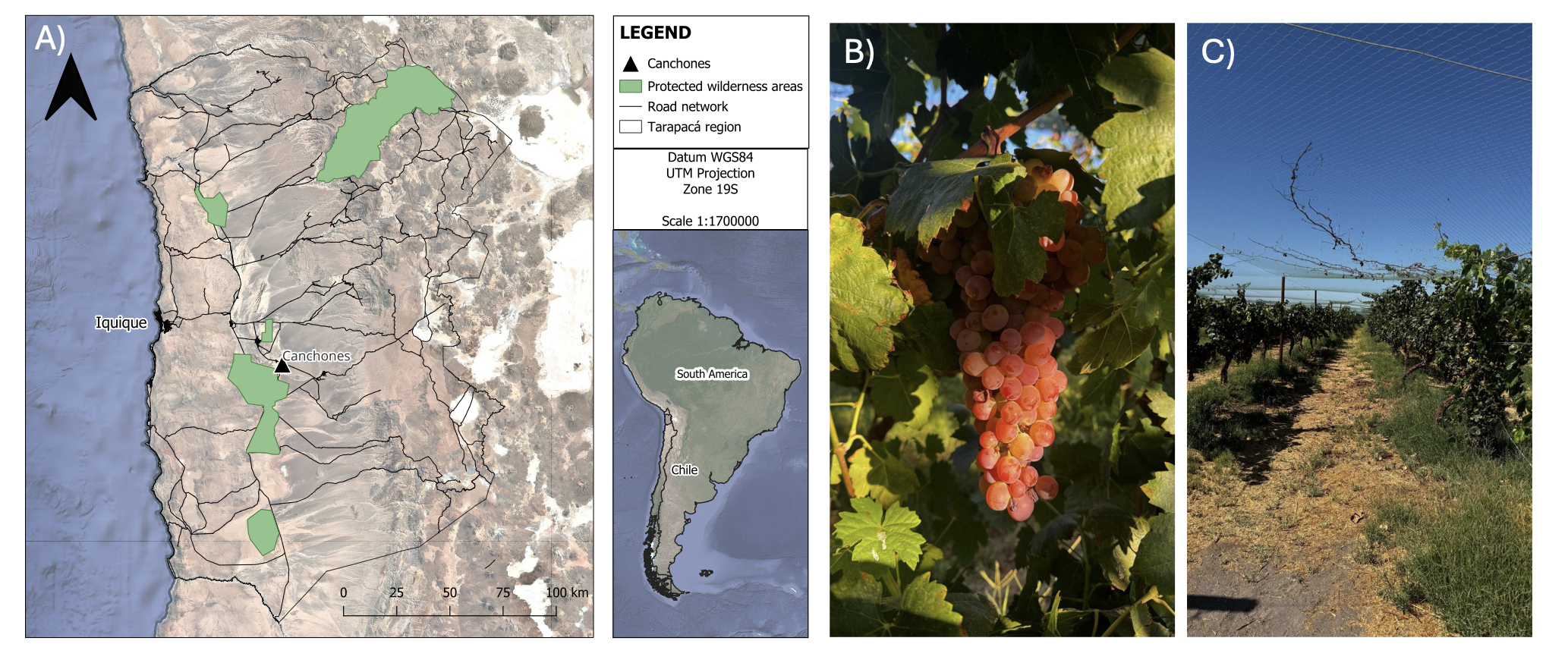
Figure 1. Study site and sampling context for Vitis vinifera cv. Ahmeur bou Ahmeur cultivated in the Atacama Desert vineyard (Tarapacá Region, Chile).
2. DNA extraction and metabarcoding sequencing
The epiphytic microbiota was sampled by swabbing the surface of grape berries using sterile flocked nylon swabs. For each replicate, three berries were individually swabbed using separate sterile swabs to collect surface-associated microorganisms. DNA was extracted from swabs using the DNeasy PowerSoil Pro Kit (Qiagen) according to the manufacturer’s instructions with minor modifications. Swabs were suspended in PBS, followed by incubation at 60 °C for 10 minutes, centrifuged, and the resulting pellets were lysed mechanically in a FastPrep instrument (MP Biomedicals) with two 30-second cycles. DNA binding, washing, and elution were performed with the kit’s spin column system, and DNA concentrations were quantified using a Qubit 4.0 fluorometer and the dsDNA HS Assay Kit. Negative extraction controls were included in all runs. Amplicons of the bacterial 16S rRNA V4 region and the fungal ITS1–ITS2 region were generated using a high-fidelity polymerase and Illumina-adapted primers. For the 16S V4 region, primers 515F (5´-GTGYCAGCMGCCGCGGTAA-3´) and 806R (5´-GGACTACNVGGGTWTCTAAT-3´) were used, while the ITS1–ITS2 region was amplified with primers ITS1F (5´-CTTGGTCATTTAGAGGAAGTAA-3´) and ITS2R (5´-GCTGCGTTCTTCATCGATGC-3´). PCR products were visualised by agarose gel electrophoresis, purified with magnetic beads, and quantified fluorometrically.
Amplicon libraries were prepared following the Illumina 16S Metagenomic Sequencing Library Preparation protocol. The V4 region of the 16S rRNA gene and the ITS1 region were amplified using KAPA HiFi HotStart ReadyMix (Roche). PCR conditions consisted of an initial denaturation at 95 °C for 3 min, followed by 30 cycles of 95 °C for 30 s, 55 °C for 30 s, and 72 °C for 30 s, with a final extension at 72 °C for 5 min.
Sequencing libraries were prepared by pooling equimolar amounts of amplicons, including PCR negative controls (NTC). A second PCR (8 cycles) was performed to add Illumina P5/P7 adapters and Nextera XT indices under the following conditions: 95 °C for 3 min; 8 cycles of 95 °C for 30 s, 55 °C for 30 s, and 72 °C for 30 s, and a final extension at 72 °C for 5 min. Libraries were purified using magnetic beads, eluted in 22 µL of 10 mM Tris buffer, and assessed by 1.5 % agarose gel electrophoresis and fragment size analysis using a Fragment Analyzer. Libraries were purified, quantified, and pooled equimolarly, including negative controls. Negative controls were inspected after sequencing to confirm the absence of contamination. Sequencing was performed on an Illumina NextSeq 1000 platform with a 600-cycle kit, generating paired-end reads. All raw reads (16S rRNA and ITS amplicons) have been deposited in the European Nucleotide Archive (ENA) under the Study Accession Number PRJEB97168.
3. Data analysis
For fungi and bacteria, amplicon sequence variants (ASVs) were inferred using the DADA2 pipeline (Callahan et al., 2016). Raw reads were quality filtered and trimmed prior to denoising. Forward and reverse reads were truncated to 270 bp and 200 bp, respectively. Reads containing ambiguous bases were discarded, and reads with more than two expected errors were removed for both forward and reverse reads. A quality truncation threshold of 2 was applied, and PhiX reads were removed. Chimeric sequences were identified and removed using the consensus method implemented in DADA2. For bacteria, taxonomic assignments were obtained against the curated SILVA v138.2 16S reference database (Callahan et al., 2024), whereas fungal ASVs were assigned using the UNITE sh-general-release-dynamic-19.02.2025 database train set (Abarenkov et al., 2025).
All analyses were conducted in R using the phyloseq package (McMurdie & Holmes, 2013). Raw sequences were quality-filtered, chimeras removed, and ASVs with zero counts across all samples were discarded. For bacterial datasets, sequences assigned to chloroplasts or mitochondria were also removed to avoid interference from non-bacterial signals. Abundances were transformed to relative values prior to downstream analyses.
Alpha diversity was estimated for both datasets using observed richness (number of ASVs per sample), Shannon index, and Inverse Simpson index, calculated with the vegan package (Oksanen et al., 2019). Differences among samples were tested using non-parametric Kruskal-Wallis tests. Rarefaction curves were generated from unrarefied counts with the vegan package to evaluate sequencing depth and completeness, standardised to the minimum library size among samples.
Beta diversity was assessed by calculating Bray-Curtis dissimilarities. These dissimilarities were visualised using non-metric multidimensional scaling (NMDS) with two dimensions and 200 random starts. PERMANOVA (999 permutations) was applied to test for differences among samples and homogeneity of dispersion was examined using the betadisper function (Anderson, 2001). Pairwise Bray-Curtis distances were further compared with Wilcoxon rank-sum tests to evaluate whether within-plant replicates were more similar than between-plant comparisons.
To explore the contribution of individual taxa to community differences, similarity percentage (SIMPER) analysis was performed on Bray-Curtis dissimilarities (Clarke, 1993). The top taxa explaining dissimilarities were summarised and visualised with a barplot in ggplot2, collapsed to the lowest available taxonomic rank. Presence/absence matrices were also used to construct Venn diagrams with the ggvenn package, highlighting shared and unique ASVs among plants.
Results
1. Amplicon quantification and sequencing output
The sequencing effort yielded successful amplification and variable concentrations of both 16S and ITS markers across all samples. For 16S, raw reads ranged from 110,397 to 387,923 per sample, while ITS libraries produced between 208,572 and 424,992 reads. The number of detected ASVs also varied, with 16S ranging from 153 to 381 ASVs and ITS from 37 to 92 ASVs. This variability was observed among replicates within the same plant as well as between plants, reflecting a combination of biological differences and technical factors such as variation in amplicon yield, sequencing depth, and ASV recovery across the dataset (Table S1).
2. Distinct composition and diversity patterns of fungal and bacterial communities on desert-grown grapes
The analysis of microbial communities associated with Vitis vinifera berries in the Atacama Desert vineyard revealed distinct patterns of dominance and variability between fungi and bacteria (Figure 2). Fungal communities were largely dominated by Starmerella, with intra-plant variability reflected in the relative contribution of other families, which were less consistently represented among berries from the same plant. In contrast, bacterial communities showed a strong prevalence of Gluconobacter across all plants, while other taxa such as Pseudomonadaceae, Enterobacteriaceae, and Micrococcaceae appeared more sporadically and at lower relative abundances. These results suggest that Starmerella and Gluconobacter may represent dominant taxa on grape surfaces in this extreme desert environment.
(A) Relative abundance of the most abundant fungal and (B) bacterial phyla and genera across individual berry samples from each plant. Each bar represents one sample, with colours indicating different taxa.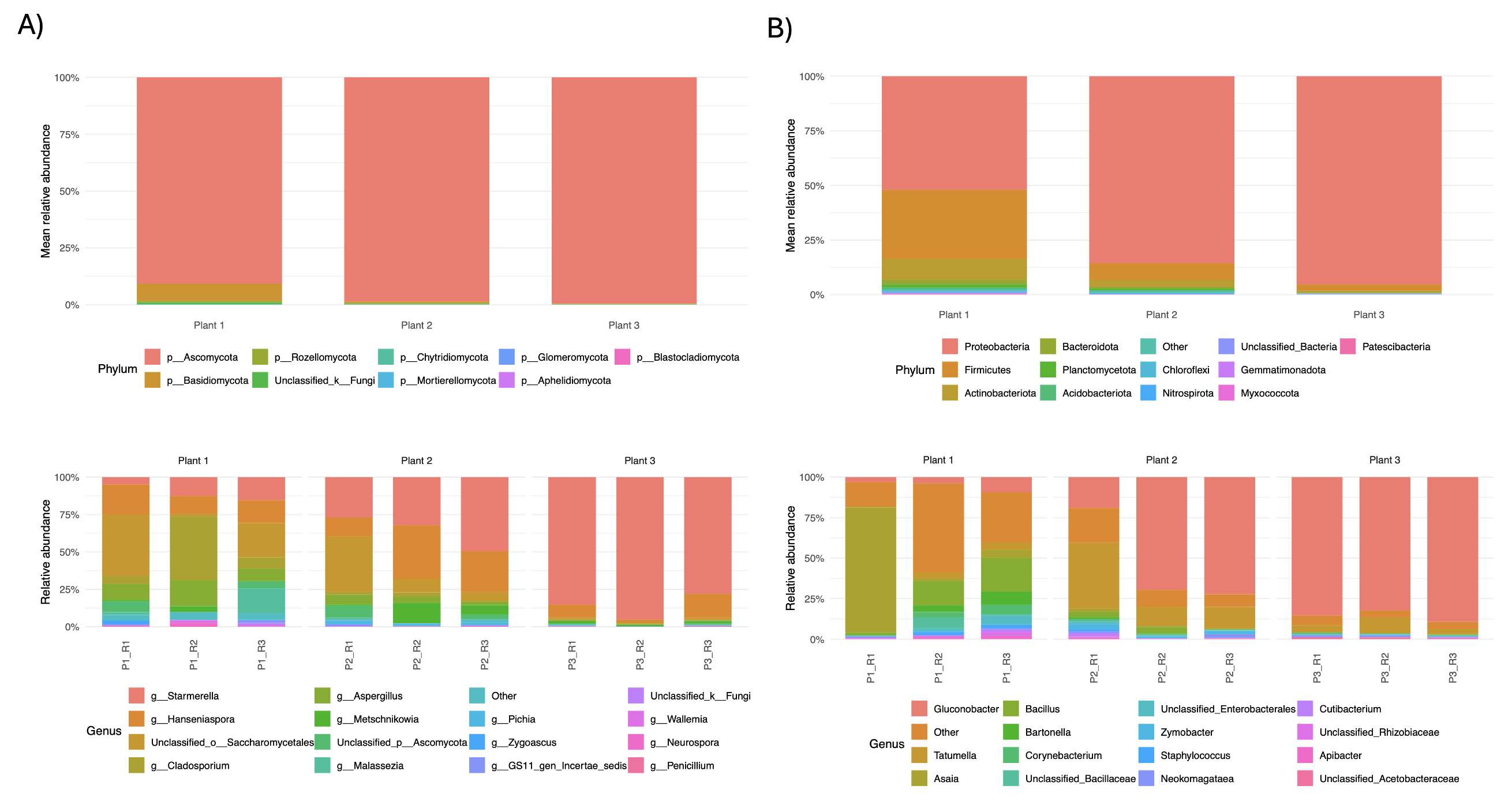
Figure 2. Relative composition of microbial communities associated with Vitis vinifera cv. Ahmeur bou Ahmeur in the Atacama Desert vineyard.
Alpha diversity analyses revealed contrasting patterns between bacterial and fungal communities across grapevines. For bacteria, no significant differences were detected among plants in observed richness (χ2 = 0.62, df = 2, p = 0.733), Shannon index (χ2 = 1.16, df = 2, p = 0.561), or Inverse Simpson index (χ2 = 0.62, df = 2, p = 0.733), indicating relatively homogeneous bacterial diversity across replicates. In contrast, fungal diversity showed significant differences among plants. The Shannon index (χ2 = 7.20, df = 2, p = 0.0273) and Inverse Simpson index (χ2 = 6.49, df = 2, p = 0.0390) both revealed significant variation, whereas observed richness did not differ significantly (χ2 = 3.50, df = 2, p = 0.174). These results suggest that fungal assemblages are more strongly structured by plant identity, while bacterial communities maintain relatively stable diversity levels across plants (Figure 3A).
(A) Alpha diversity of bacterial (16S rRNA) and fungal (ITS) communities across three Ahmeur bou Ahmeur grape plants, measured as observed richness, Shannon index, and Inverse Simpson index. Boxplots represent the distribution of values per plant (1–3), with points showing individual replicates. (B) Rarefaction curves of bacterial and fungal communities based on 16S rRNA and ITS amplicons, respectively. Curves represent the expected ASV richness as a function of sequencing depth, standardised to the minimum library size.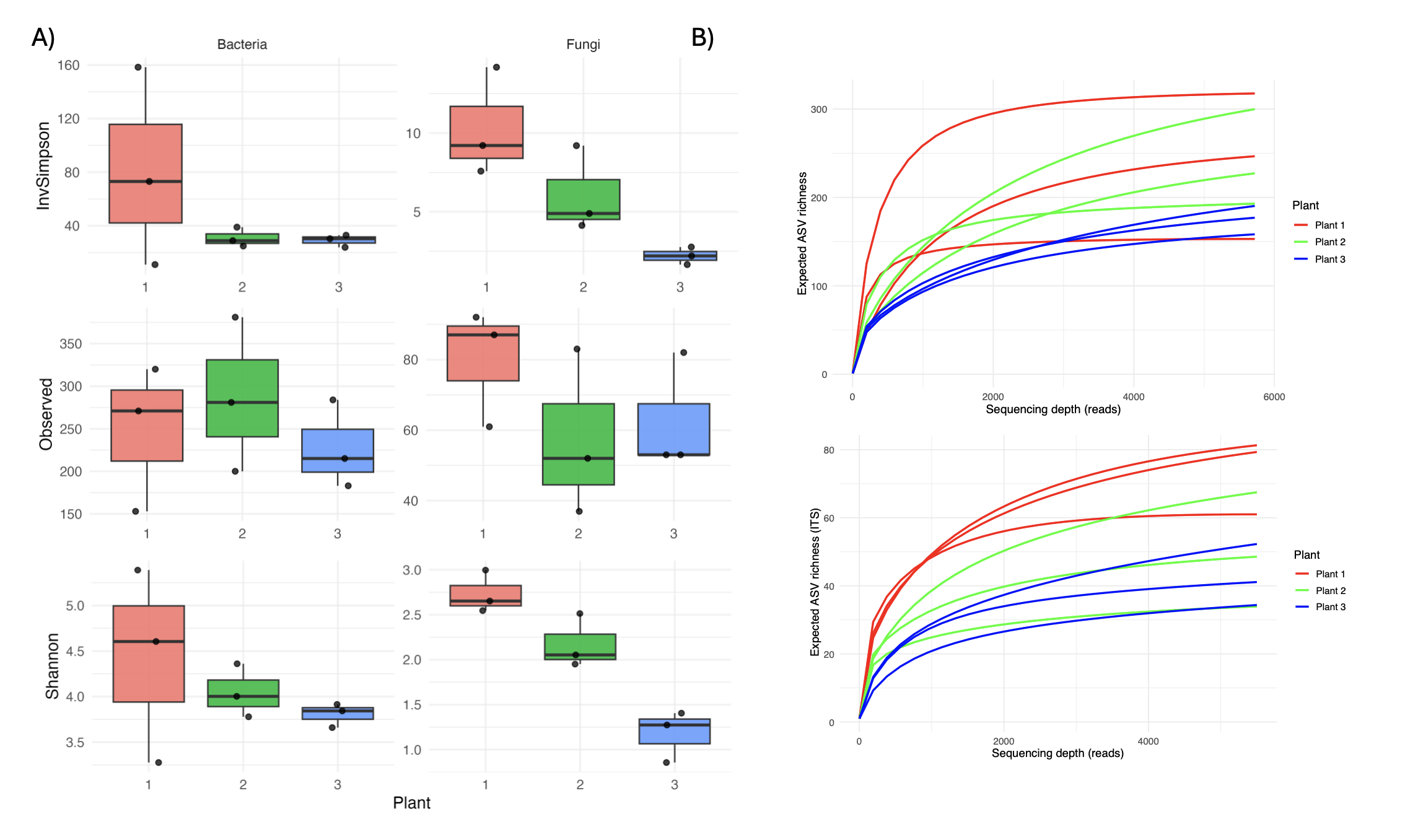
Figure 3. Alpha diversity and sequencing depth of microbial communities associated with Vitis vinifera in the Atacama Desert vineyard.
Rarefaction analyses revealed clear differences in microbial richness between bacterial and fungal communities and across plants (Figure 3B). Bacterial 16S rRNA curves showed that samples from Plant 1 and Plant 2 reached higher richness values (~ 250–300 ASVs) and approached saturation, while Plant 3 displayed lower richness (~ 150–200 ASVs) with curves that did not fully level off, suggesting incomplete sampling of bacterial diversity in this plant. Fungal ITS curves indicated lower overall richness compared to bacteria, with Plant 1 exhibiting the highest values (~ 70–80 ASVs), followed by Plant 2 (~ 50–60 ASVs) and Plant 3 (~ 40–50 ASVs). Most ITS curves tended to plateau, indicating sufficient sequencing depth to capture the majority of fungal diversity. Together, these results highlight pronounced intra-vineyard differences in microbial richness, with fungal communities being less diverse but more completely sampled than bacterial communities.
3. Intra-vineyard differentiation of fungal and bacterial communities
The non-metric multidimensional scaling (NMDS) ordinations based on Bray-Curtis dissimilarities revealed a clear separation of microbial communities among the three plants (Figure 4). For fungi, replicates from each plant clustered tightly together and were distinctly separated from those of the other plants, indicating consistent within-plant community structure. Similarly, bacterial communities showed plant-specific clustering, although with slightly more overlap among replicates compared to fungi. PERMANOVA confirmed that both fungal (F = 4.48, R2 = 0.599, p = 0.007) and bacterial (F = 2.96, R2 = 0.497, p = 0.004) assemblages differed significantly among plants. Stress values for the NMDS (< 0.2) indicated that the ordinations provided an adequate representation of community dissimilarities (Figure 4A). PERMANOVA based on Bray-Curtis dissimilarities revealed that both fungal (ITS) and bacterial (16S rRNA) communities differed significantly among plants within the vineyard. Plant identity explained nearly 60 % of the variation in fungal community composition (R2 = 0.599, F = 4.48, p = 0.007) and almost 50 % of the variation in bacterial communities (R2 = 0.497, F = 2.96, p = 0.004). Homogeneity of dispersions (betadisper) was not significant for either fungi (F = 2.40, p = 0.172) or bacteria (F = 1.93, p = 0.226), confirming that the observed effects reflect true compositional differences rather than differences in within-group variability. These results indicate that plant identity exerts a strong structuring influence on both domains, with a slightly stronger effect on fungal than on bacterial communities. To assess whether microbial assemblages are more homogeneous within individual grape plants than between different plants, we compared pairwise Bray-Curtis dissimilarities among replicates from the same plant (“within plant”) and among replicates from different plants (“between plants”). This analysis tests the expectation that berries from a single plant share a more similar microbial community compared to berries from neighbouring plants within the vineyard. For fungi (ITS), within-plant distances were significantly lower (median = 0.378, IQR = 0.319) than between-plant distances (median = 0.678, IQR = 0.157), as confirmed by a Wilcoxon rank-sum test (W = 39, p = 0.0014, one-sided). A similar pattern was observed for bacterial communities (16S rRNA), although the effect was less pronounced: within-plant distances had a median of 0.646 (IQR = 0.359) compared to 0.867 (IQR = 0.183) between plants (W = 63, p = 0.017, one-sided) (Figure 4B). These results demonstrate that both fungal and bacterial microbiomes retain a strong intra-plant signature, with the effect being more pronounced in fungal communities. The Venn diagrams further showed that both fungal and bacterial assemblages contained a larger number of plant-specific ASVs than those shared across all three plants: bacteria had 62 ASVs in the core versus 510, 572, and 435 unique ASVs in Plants 1, 2, and 3, respectively, while fungi had 42 ASVs in the core versus 84, 46, and 57 unique ASVs in the same plants (Figure 4C).
(A) Non-metric multidimensional scaling (NMDS) plots based on Bray-Curtis dissimilarities showing distinct clustering of fungal (upper panel) and bacterial (lower panel) communities across the three grape plants. (B) Pairwise Bray-Curtis dissimilarities comparing within-plant and between-plant distances for both fungal and bacterial communities. Boxplots display median and interquartile ranges, with lower within-plant dissimilarities indicating higher intra-plant similarity. (C) Venn diagrams illustrating the number of unique and shared amplicon sequence variants (ASVs) among the three plants, highlighting the presence of both plant-specific and core microbial taxa. The left panel shows bacterial ASVs (16S rRNA), while the right panel shows fungal ASVs (ITS).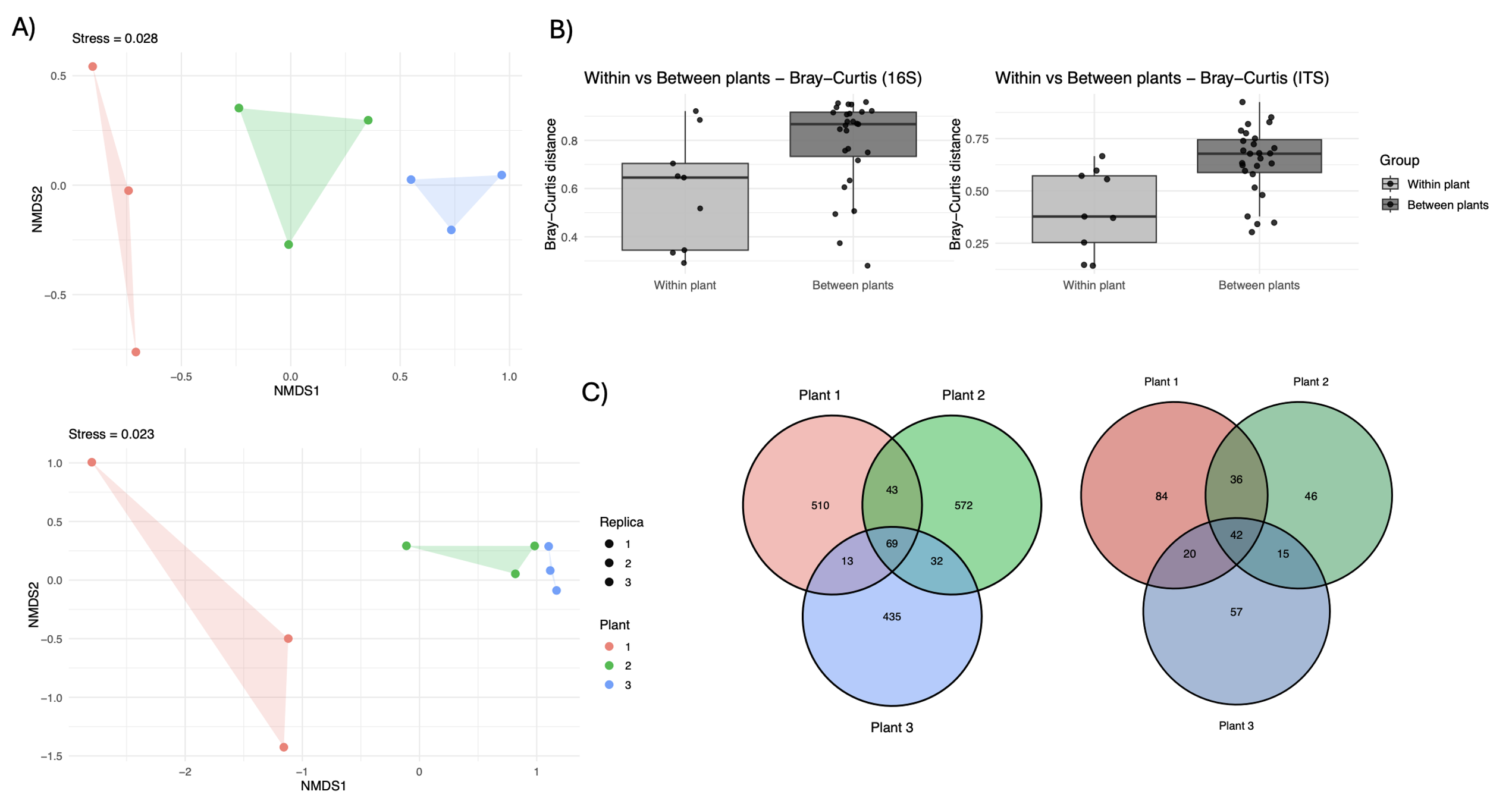
Figure 4. Beta diversity and community structure of microbial assemblages associated with Vitis vinifera cv. Ahmeur bou Ahmeur in the Atacama Desert vineyard.
4. Shared fungal taxa drive intra-vineyard variability among grape plants
SIMPER analysis revealed that the separation among plants was mainly driven by fungal taxa shared across all plants, rather than by plant-specific ASVs. The barplot (Figure 5) illustrates that taxa such as Hanseniaspora uvarum, Starmerella sp., Malassezia restricta, and Cladosporium sp. were consistently present across plants but displayed large differences in relative abundance. For example, H. uvarum and Starmerella sp. were more abundant in Plant 1, while M. restricta was enriched in Plant 3. These shifts in the abundance of shared taxa explain much of the observed intra-vineyard variability.
Bars show the relative contribution of each taxon to Bray-Curtis dissimilarities, with ASVs collapsed to the lowest available taxonomic rank.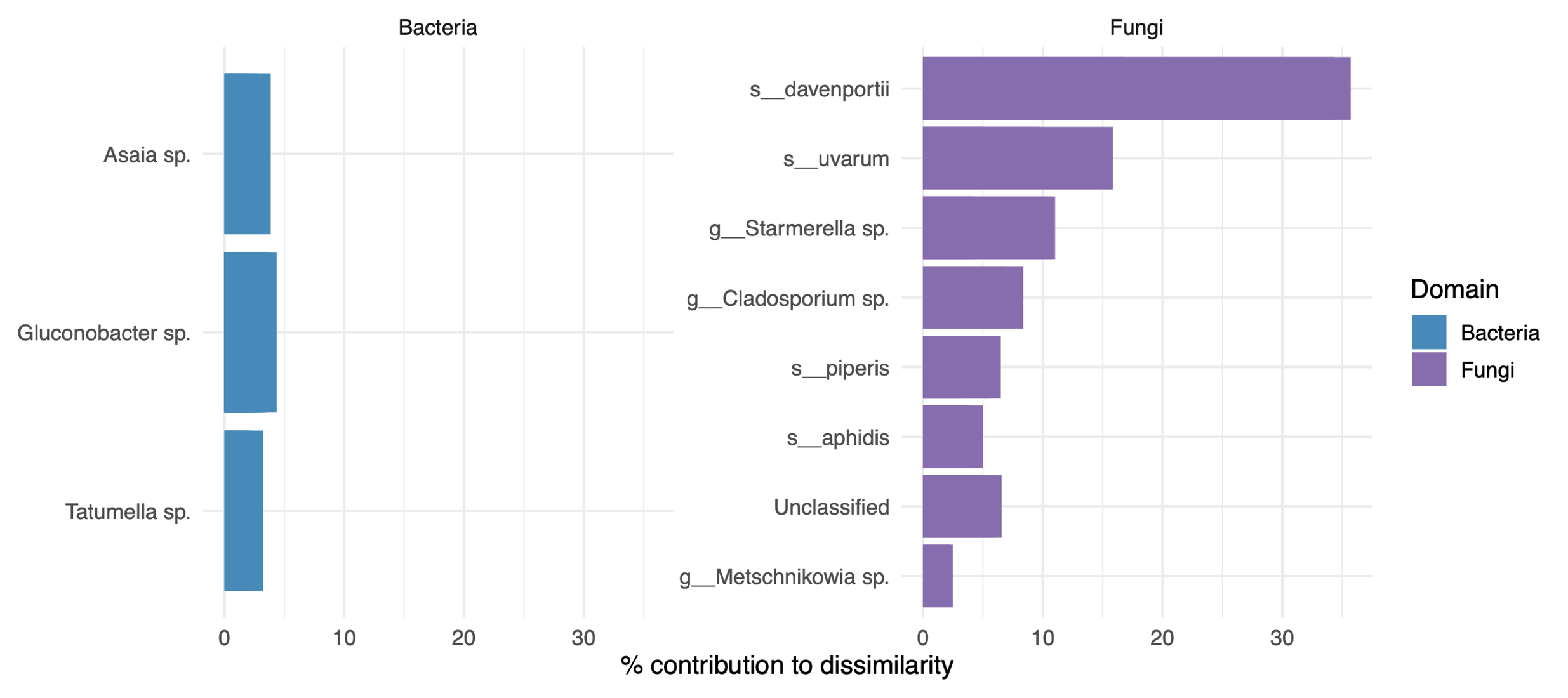
Figure 5. Main fungal (ITS) and bacterial (16S rRNA) taxa contributing to community differentiation among Vitis vinifera cv. Ahmeur bou Ahmeur grape plants, as identified by SIMPER analysis.
Discussion
The grape-associated microbiome has been extensively characterised in recent years, with several studies demonstrating that geography, climate, vintage, and grape variety strongly shape microbial community composition on berry surfaces (Bokulich et al., 2014; Vitulo et al., 2019; Wei et al., 2022a; Africa et al., 2025). However, fewer reports have focused on intra-vineyard microbial heterogeneity, despite its potential relevance to terroir and spontaneous fermentation outcomes. Understanding fine-scale variability is particularly critical in extreme viticultural environments, such as the Atacama Desert, where grapes develop under intense solar radiation, large diurnal temperature fluctuations, and severe water scarcity (Lanino & Poblete, 2022).
Our study showed that while both fungal and bacterial assemblages differed significantly in beta diversity among plants, variation was more pronounced in fungal communities. This pattern is consistent with previous observations reporting stronger differentiation in fungal assemblages compared to bacterial ones (Bokulich et al., 2014; Steenwerth et al., 2021; Papadopoulou et al., 2022). Large-scale vineyard microbiome surveys have similarly shown that fungal alpha diversity is more responsive to climatic and spatial variation than bacterial diversity (Gobbi et al., 2022), reinforcing the notion that fungal communities are more sensitive to microhabitat-level conditions. Cultivar-level studies further highlight that fungal community composition is more variable across genotypes than bacterial assemblages, suggesting a stronger dependence on host factors (Castanera et al., 2024). It is important to note that part of the variability observed in sequencing depth and ASV richness may also reflect technical factors inherent to amplicon-based approaches, and should therefore be interpreted cautiously when inferring biological patterns.
With respect to community composition, bacterial assemblages were dominated by members of the genera Gluconobacter and Tatumella, taxa previously reported as abundant in vineyard environments (Steenwerth et al., 2021; Ohwofasa et al., 2024). Additionally, Asaia, a genus primarily described in insects such as mosquitoes (Favia et al., 2007), was detected, reinforcing its broader ecological distribution and potential role as a vector-associated taxon in vineyards.
Fungal communities were characterised by the recurrent detection of non-Saccharomyces yeasts. The genus Starmerella was identified on grape surfaces (Martiniuk et al., 2023; Ohwofasa et al., 2024). This yeast has attracted attention in oenology due to its ability to produce moderate volatile acidity, reduced ethanol, and high glycerol levels (Lemos Junior et al., 2019). Hanseniaspora was also abundant on grape surfaces (Snyder et al., 2024), displaying temporal and spatial dynamics within the fungal microbiome during grape fermentation, with higher abundance at the onset of fermentation (Onetto et al., 2024). These findings align with evidence that vintage and fermentation stage are critical drivers of yeast succession and microbial community dynamics during wine fermentation in grapes (Liu et al., 2019). At later stages, these taxa were progressively replaced by unclassified ASVs affiliated with Saccharomycetales, consistent with the typical yeast succession described in spontaneous fermentation.
In desert viticulture, where grapes are exposed to intense solar radiation, large diurnal temperature shifts, and extreme aridity, microbial differences among plants may be amplified. Studies in arid wine‐grape soils show that microbial diversity is strongly modulated by these stressors (Wang et al., 2024), and similar patterns have been reported in semi-arid Peruvian vineyards, where the metagenome of Vitis vinifera berries reflects edaphoclimatic influences on the regional microbial identity (Sotomayor-Parian et al., 2024). Epidermal microbial communities have also been shown to correlate negatively with extremely high and low temperatures (Wei et al., 2022b), and a recent review underscores how climatic and soil-related factors drive divergence in vineyard microbiomes (Silva et al., 2025). Consistent with these environmental influences, our results show that although it may seem intuitive that microbial communities on berries from the same plant would be more similar to each other than to those from different plants, our study provides quantitative evidence supporting this assumption at an intra-vineyard scale. Similar evidence of significant heterogeneity at small spatial scales has also been reported in vineyard soils (Liang et al., 2019), suggesting that both edaphic and plant-level factors can contribute to fine-scale microbial differentiation. By showing that plant identity accounts for nearly 60 % of the variation in fungal community composition and that within-plant replicates are significantly more homogeneous than between-plant comparisons, we highlight the plant as a relevant ecological unit in vineyard microbiome studies.
Our findings complement and extend previous work by Zhang et al. (2019), who demonstrated that even genetically related clones within a single grape variety can harbour distinct bacterial assemblages on berry surfaces, highlighting the influence of fine-scale genetic variation on the grape microbiome. Although clonal identity was not verified in our vineyard, all sampled plants belong to the same Vitis vinifera variety (Ahmeur bou Ahmeur), and yet exhibited pronounced microbial differentiation – particularly in fungal assemblages. This suggests that factors other than host genotype, such as microenvironmental conditions, plant physiology, or stochastic colonisation processes, may play a dominant role in structuring grape-surface microbial communities (Minerdi & Sabbatini, 2025; Swift et al., 2023; Wei et al., 2022b). Together, these results reinforce the concept that vineyard microbiomes are heterogeneous across multiple spatial and biological scales, underscoring the need to consider within-vineyard variability when investigating the microbial dimension of terroir.
These findings have both methodological and oenological implications. Methodologically, they highlight the importance of considering plant-level variability within vineyards, as ignoring these differences may lead to biased interpretations of microbial terroir. Biologically, the presence of a shared core microbiome, together with plant-specific taxa, shows that both common and unique microorganisms shape the grape-surface microbiota. From an oenological perspective, variation in fungal community composition – especially in the relative abundance of non-Saccharomyces yeasts such as Starmerella, Hanseniaspora, and Metschnikowia – may influence fermentation dynamics and the production of aroma compounds. Recognising intra-vineyard microbial heterogeneity is therefore key to understanding the ecological and oenological dimensions of terroir in desert-grown grapes.
Although the number of plants analysed was limited (three vines with three berry replicates each), this exploratory design follows a similar rationale to previous work on microbiomes from bat guano in vineyard ecosystems (Ramírez-Fernández et al., 2025), where small yet carefully selected samples revealed meaningful ecological patterns. This approach proved sufficient here to detect plant-specific microbial differentiation, while future studies including more vines and vineyards will help validate the robustness of these intra-vineyard trends.
Acknowledgements
We gratefully acknowledge the Núcleo de Investigación en Fisicoquímica (NIFQ) and the Laboratorio de Química Computacional for providing access to the high-performance computing cluster used in this study, as well as the Vicerrectoría de Investigación e Innovación (VRII) of Universidad Arturo Prat for institutional support. This work was supported by Fondecyt Iniciación Project Nº11250198 and by institutional funds from Universidad Arturo Prat (UNAP).
References
- Abarenkov, K., Zirk, A., Piirmann, T., Pöhönen, R., Ivanov, F., Nilsson, R. H., Kõljalg, U. (2025). UNITE general FASTA release for Fungi 2. Version 19.02.2025. UNITE Community. http://doi.org/10.15156/BIO/3301230.
- Africa, A., Setati, M. E., Hitzeroth, A. C., & Blancquaert, E. (2025). Exploring the evolution of microbial communities from the phyllosphere, carposphere and grape must of Vitis vinifera L. cv’s Chardonnay and Pinot Noir. Food Microbiology, 121, 104780. https://doi.org/10.1016/j.fm.2025.104780
- Anderson, M. J. (2001). A new method for non-parametric multivariate analysis of variance. Austral Ecology, 26(1), 32–46. https://doi.org/10.1111/j.1442-9993.2001.01070.pp.x
- Araya, M., Villarreal, P., Moyano, T., Santos, A. R. O., Díaz, F. P., Bustos-Jarufe, A., Urbina, K., Del Pino, J. E., Groenewald, M., Gutiérrez, R. A., Rosa, C. A., & Cubillos, F. A. (2024). Nakazawaea atacamensis f.a., sp. nov.: A novel nonconventional fermentative ascomycetous yeast species from the Atacama Desert. Yeast, 41(1–2), 52–63. https://doi.org/10.1002/yea.3920
- Austin, C. N., Grove, G. G., Meyers, J. M., & Wilcox, W. F. (2011). Powdery mildew severity as a function of canopy density: Associated impacts on sunlight penetration and spray coverage. American Journal of Enology and Viticulture, 62(1), 23–31. https://doi.org/10.5344/ajev.2010.10077
- Barata, A., Malfeito-Ferreira, M., & Loureiro, V. (2012). The microbial ecology of wine grape berries. International Journal of Food Microbiology, 153(3), 243–259. http://doi.org/10.1016/j.ijfoodmicro.2011.11.025
- Belda, I., Zarraonaindia, I., Perisin, M., Palacios, A., & Acedo, A. (2017). From vineyard soil to wine fermentation: microbiome approximations to explain the “terroir” concept. Frontiers in Microbiology, 8, 821. http://doi.org/10.3389/fmicb.2017.00821
- Berlanas, C., Berbegal, M., Elena, G., Laidani, M., Cibriain, J. F., Sagües, A., & Gramaje, D. (2019). The fungal and bacterial rhizosphere microbiome associated with grapevine rootstock genotypes in mature and young vineyards. Frontiers in Microbiology, 10, 1142. https://doi.org/10.3389/fmicb.2019.01142
- Bokulich, N. A., Collins, T. S., Masarweh, C., Allen, G., Heymann, H., Ebeler, S. E., & Mills, D. A. (2016). Associations among wine grape microbiome, metabolome, and fermentation behavior suggest microbial contribution to regional wine characteristics. mBio, 7(3), e00631–16. https://doi.org/10.1128/mBio.00631-16
- Bokulich, N. A., Thorngate, J. H., Richardson, P. M., & Mills, D. A. (2014). Microbial biogeography of wine grapes is conditioned by cultivar, vintage, and climate. Proceedings of the National Academy of Sciences, 111(1), E139–E148. https://doi.org/10.1073/pnas.1317377110
- Brischetto, C., Stefanini, I., Daprà, F., Fornasero, A., Nardi, T., & Giacosa, S. (2024). The microbiome analysis of ripen grape berries supports the link between vineyard microbial biodiversity and wine quality. Frontiers in Microbiology, 15, 1450443. https://doi.org/10.3389/fmicb.2024.1450443
- Bull, A. T., Asenjo, J. A., Goodfellow, M., & Gómez-Silva, B. (2016). The Atacama Desert: Technical resources and the growing importance of novel microbial diversity. Annual Review of Microbiology, 70, 215–234. https://doi.org/10.1146/annurev-micro-102215-095236
- Callahan, B. (2024). Silva taxonomic training data formatted for DADA2 (Silva version 138.2) [Data set]. Zenodo. http://doi.org/10.5281/zenodo.14169026.
- Callahan, B. J., McMurdie, P. J., Rosen, M. J., Han, A. W., Johnson, A. J. A., & Holmes, S. P. (2016). DADA2: High-resolution sample inference from Illumina amplicon data. Nature Methods, 13(7), 581–583. https://doi.org/10.1038/nmeth.3869
- Castanera, R., González-Miguel, V. M., Escolà, G., Olivé, M., Teixidó, N., Savé, R., Casacuberta, J. M., & San Segundo, B. (2024). Cultivar-dependent variations in the microbiome of grapevine leaves. Horticulturae, 10(12), 1333. https://doi.org/10.3390/horticulturae10121333
- Clarke, K. R. (1993). Non-parametric multivariate analyses of changes in community structure. Australian Journal of Ecology, 18(1), 117–143. https://doi.org/10.1111/j.1442-9993.1993.tb00438.x
- Cui, S., Zhou, L., Fang, Q., Xiao, H., Jin, D., & Liu, Y. (2024). Growth period and variety together drive the succession of phyllosphere microbial communities of grapevine. Science of the Total Environment, 950, 175334. https://doi.org/10.1016/j.scitotenv.2024.175334
- Favia, G., Ricci, I., Damiani, C., Raddadi, N., Crotti, E., Marzorati, M., ... & Daffonchio, D. (2007). Bacteria of the genus Asaia stably associate with Anopheles stephensi, an Asian malarial mosquito vector. Proceedings of the National Academy of Sciences, 104(21), 9047–9051. https://doi.org/10.1073/pnas.0610451104
- Gilbert, J. A., van der Lelie, D., & Zarraonaindia, I. (2014). Microbial terroir for wine grapes. Proceedings of the National Academy of Sciences of the United States of America, 111(1), 5–6. https://doi.org/10.1073/pnas.1320471110
- Gobbi, A., Acedo, A., Imam, N., Santini, R. G., Ortiz-Álvarez, R., Ellegaard-Jensen, L., ... & Hansen, L. H. (2022). A global microbiome survey of vineyard soils highlights the microbial dimension of viticultural terroirs. Communications Biology, 5(1), 241. https://doi.org/10.1038/s42003-022-03202-5
- Jumbam, B., Toro, M., & Hu, M. (2025). Comparative analysis of grape berry microbiota uncovers sour rot associates from a Maryland vineyard. PLOS ONE, 20(2), e0314397. https://doi.org/10.1371/journal.pone.0314397
- Knight, S., Klaere, S., Fedrizzi, B., & Goddard, M. R. (2015). Regional microbial signatures positively correlate with differential wine phenotypes: Evidence for a microbial aspect to terroir. Scientific Reports, 5, 14233. https://doi.org/10.1038/srep14233
- Kraus, C., Pennington, T., Herzog, K., Hecht, A., Fischer, M., Voegele, R. T., Hoffmann, C., Töpfer, R., & Kicherer, A. (2018). Effects of canopy architecture and microclimate on grapevine health in two training systems. Vitis, 57(2), 53–60. https://doi.org/10.5073/vitis.2018.57.53-60
- Lanino, M., & Poblete, I. (2022). Antecedentes climáticos históricos de la Estación Experimental Canchones, Pampa del Tamarugal: Herramienta para la toma de decisiones en agricultura del desierto. Idesia (Arica), 40(2), 27–38. https://doi.org/10.4067/S0718-34292022000200027
- Lemos Junior, W. J. F., Nadai, C., Crepalde, L. T., de Oliveira, V. S., de Matos, A. D., Giacomini, A., & Corich, V. (2019). Potential use of Starmerella bacillaris as fermentation starter for the production of low-alcohol beverages obtained from unripe grapes. International Journal of Food Microbiology, 303, 1–8. https://doi.org/10.1016/j.ijfoodmicro.2019.05.006
- Liang, H., Wang, X., Yan, J., & Luo, L. (2019). Characterizing the intra-vineyard variation of soil bacterial and fungal communities. Frontiers in Microbiology, 10, 1239. https://doi.org/10.3389/fmicb.2019.01239
- Liu, D., Zhang, P., Chen, D., & Howell, K. (2019). From the vineyard to the winery: How microbial ecology drives regional distinctiveness of wine. Frontiers in Microbiology, 10, 2679. https://doi.org/10.3389/fmicb.2019.02679
- Martiniuk, J. T., Hamilton, J., Dodsworth, T., & Measday, V. (2023). Grape-associated fungal community patterns persist from berry to wine on a fine geographical scale. FEMS Yeast Research, 23, foac067. https://doi.org/10.1093/femsyr/foac067
- McMurdie, P. J., & Holmes, S. (2013). phyloseq: An R package for reproducible interactive analysis and graphics of microbiome census data. PLOS ONE, 8(4), e61217. https://doi.org/10.1371/journal.pone.0061217
- Mezzasalma, V., Sandionigi, A., Guzzetti, L., Galimberti, A., Grando, M. S., Tardaguila, J., & Labra, M. (2018). Geographical and cultivar features differentiate grape microbiota in Northern Italy and Spain vineyards. Frontiers in Microbiology, 9, 946. https://doi.org/10.3389/fmicb.2018.00946
- Minerdi, D., & Sabbatini, P. (2025). Exploring the grapevine microbiome: Insights into the microbial ecosystem of grape berries. Microorganisms, 13(2), 438. https://doi.org/10.3390/microorganisms13020438
- Morrison-Whittle, P., & Goddard, M. R. (2015). Quantifying the relative roles of niche and neutral processes in shaping microbial communities. The ISME Journal, 9(9), 2003–2011. https://doi.org/10.1038/ismej.2015.18
- Morrison-Whittle, P., & Goddard, M. R. (2018). From vineyard to winery: A source map of microbial diversity driving wine fermentation. Environmental Microbiology, 20(1), 75–84. https://doi.org/10.1111/1462-2920.13960
- Ohwofasa, A., Dhami, M., Zhang, J., Tian, B., Winefield, C., & On, S. L. (2024). Influence of climatic variation on microbial communities during organic Pinot noir wine production. PLOS ONE, 19(2), e0296859. https://doi.org/10.1371/journal.pone.0296859
- Oksanen, J., Blanchet, F. G., Friendly, M., Kindt, R., Legendre, P., McGlinn, D., Minchin, P. R., O’Hara, R. B., Simpson, G. L., Solymos, P., Stevens, M. H. H., Szoecs, E., & Wagner, H. (2019). vegan: Community Ecology Package (Version 2.5-6) [R package]. Comprehensive R Archive Network (CRAN). https://CRAN.R-project.org/package=vegan
- Onetto, C. A., Ward, C. M., Van Den Heuvel, S., Hale, L., Cuijvers, K., & Borneman, A. R. (2024). Temporal and spatial dynamics within the fungal microbiome of grape fermentation. Environmental Microbiology, 26(6), e16660. https://doi.org/10.1111/1462-2920.16660
- Papadopoulou, E., Bekris, F., Vasileiadis, S., Papadopoulou, K. K., & Karpouzas, D. G. (2022). Different factors are operative in shaping the epiphytic grapevine microbiome across different geographical scales: Biogeography, cultivar or vintage? Journal of Sustainable Agriculture and Environment, 1(4), 287–301. https://doi.org/10.1002/sae2.12030
- Poblete, I., Pinto, M., de Andrés, M. T., & Hinrichsen, P. (2011). Genetic characterization of old grapevines collected in oases of the Atacama Desert. Chilean Journal of Agricultural Research, 72(3), 340–347. https://doi.org/10.4067/S0718-58392011000300020
- Ramírez-Fernández, L., Saldarriaga-Córdoba, M., Silva, A. X., Napolitano, C., & Rodríguez-San Pedro, A. (2025). Eukaryotic gut community of the bat Myotis arescens in anthropized landscapes in Chile. PeerJ, 13, e19563. https://doi.org/10.7717/peerj.19563
- Silva, V., Brito, I., & Alexandre, A. (2025). The vineyard microbiome: How climate and the main edaphic factors shape microbial communities. Microorganisms, 13(5), 1092. https://doi.org/10.3390/microorganisms13051092
- Snyder, T., Osborne, J., & Curtin, C. (2024). Contributions of Hanseniaspora species to Pinot noir microbial terroir in Oregon’s Willamette Valley wine region. Applied and Environmental Microbiology, 90(9), e00810–24. https://doi.org/10.1128/aem.00810-24
- Sotomayor-Parian, R. M., Soto-Cordova, M. M., Guzman Escudero, F., & Arakaki, M. (2024). Characterisation of the metagenome of Peruvian Pisco grapes from Ica and Arequipa for the development of their regional identity. OENO One, 58(4), Article 8104. https://doi.org/10.20870/oeno-one.2024.58.4.8104
- Steenwerth, K. L., Morelan, I., Stahel, R., Figueroa-Balderas, R., Cantu, D., Lee, J., Runnebaum, R. C., & Poret-Peterson, A. T. (2021). Fungal and bacterial communities of Pinot noir must: Effects of vintage, growing region, climate, and basic must chemistry. PeerJ, 9, e10836. https://doi.org/10.7717/peerj.10836
- Swift, J. F., Migicovsky, Z., Trello, G. E., & Miller, A. J. (2023). Grapevine bacterial communities display compartment-specific dynamics over space and time within the Central Valley of California. Environmental Microbiome, 18(1), 84. https://doi.org/10.1186/s40793-023-00539-0
- Vitulo, N., Lemos Jr, W. J. F., Calgaro, M., Confalone, M., Felis, G. E., Zapparoli, G., & Nardi, T. (2019). Bark and grape microbiome of Vitis vinifera: Influence of geographic patterns and agronomic management on bacterial diversity. Frontiers in Microbiology, 9, 3203. https://doi.org/10.3389/fmicb.2018.03203
- Wang, Z., Li, W., Wang, Y., Wang, X., Ma, T., Liu, Y., & Wei, Y. (2024). Microbiological impact of long-term wine grape cultivation on soil organic carbon in desert ecosystems: A study on rhizosphere and bulk sandy soils. Frontiers in Plant Science, 15, 1362149. https://doi.org/10.3389/fpls.2024.1362149
- Wei, R., Chen, N., Ding, Y.-T., Wang, L., Gao, F.-F., Zhang, L., Liu, Y.-H., Li, H., & Wang, H. (2022b). Diversity and dynamics of epidermal microbes during grape development of Cabernet Sauvignon (Vitis vinifera L.) in the ecological viticulture model in Wuhai, China. Frontiers in Microbiology, 13, 935647. https://doi.org/10.3389/fmicb.2022.935647
- Wei, R., Ding, Y., Gao, F., Zhang, L., Wang, L., Li, H., & Wang, H. (2022a). Community succession of the grape epidermis microbes of Cabernet Sauvignon (Vitis vinifera L.) from different regions in China during fruit development. International Journal of Food Microbiology, 362, 109475. https://doi.org/10.1016/j.ijfoodmicro.2021.109475
- Zhang, J., Wang, E. T., Singh, R. P., Guo, C., Shang, Y., Chen, J., & Liu, C. (2019). Grape berry surface bacterial microbiome: Impact from the varieties and clones in the same vineyard from central China. Journal of Applied Microbiology, 126(1), 204–214. https://doi.org/10.1111/jam.14124
 Views: 592
 XML: 77